

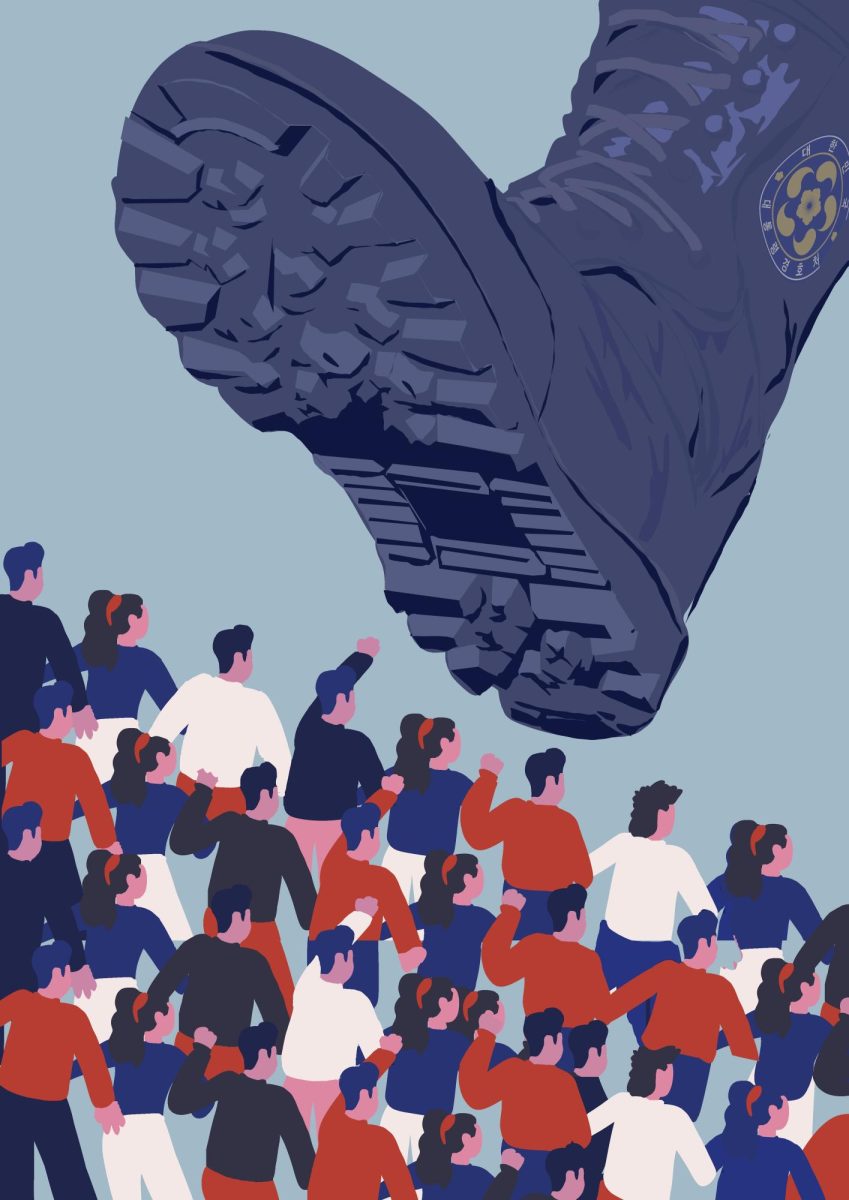










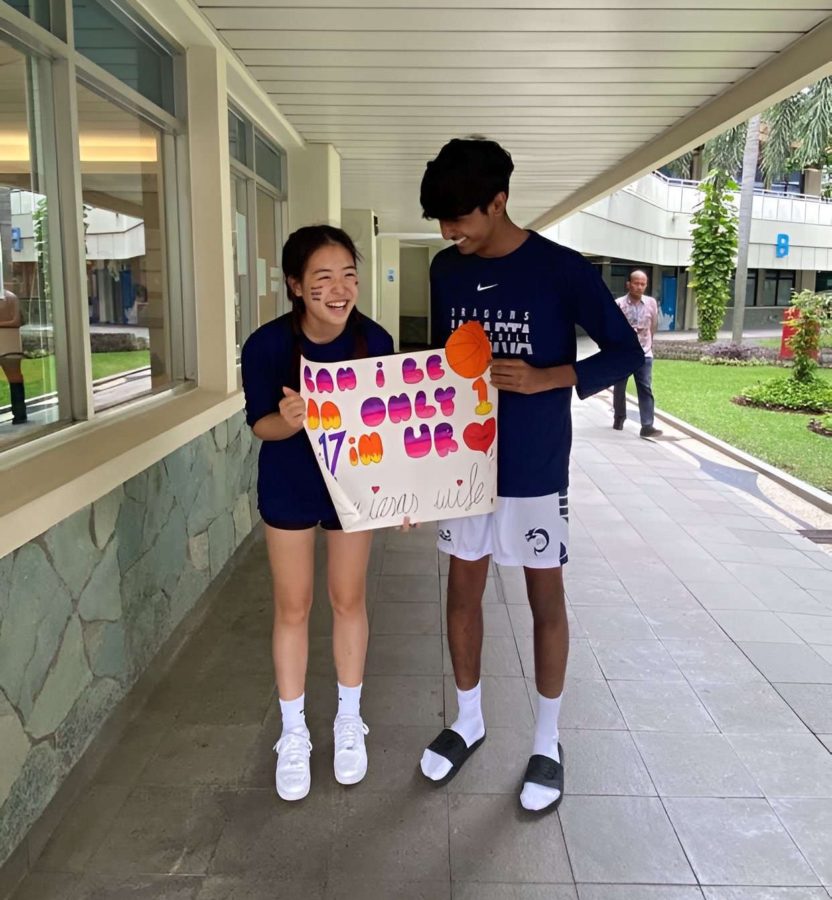



From a young age, boys across many Southeast Asian societies are expected to suppress emotional vulnerability and project stoic strength as a core marker of masculinity. In Indonesia and neighboring countries, this expectation is enforced through everyday language and parental guidance. For instance, adults often tease girls using the phrase, “Cowo suka iseng atau jail karena mereka suka sama cewe,” meaning “Boys tend to tease or bully you because they like you.” Appearing habitually as a normalized way to “stay masculine.” This narrow definition is often linked to what is known as toxic masculinity—a set of cultural norms that discourage emotional expression and reinforce self-destructive ideas about what it means to be a man.
Revolutionizing of Standards
From traditional societies to modern media, portrayals of masculinity have emphasized being unfaltering and adamant. In the past, men were expected to serve as protectors, providers, and leaders, thus often suppressing vulnerability in order to appear strong.
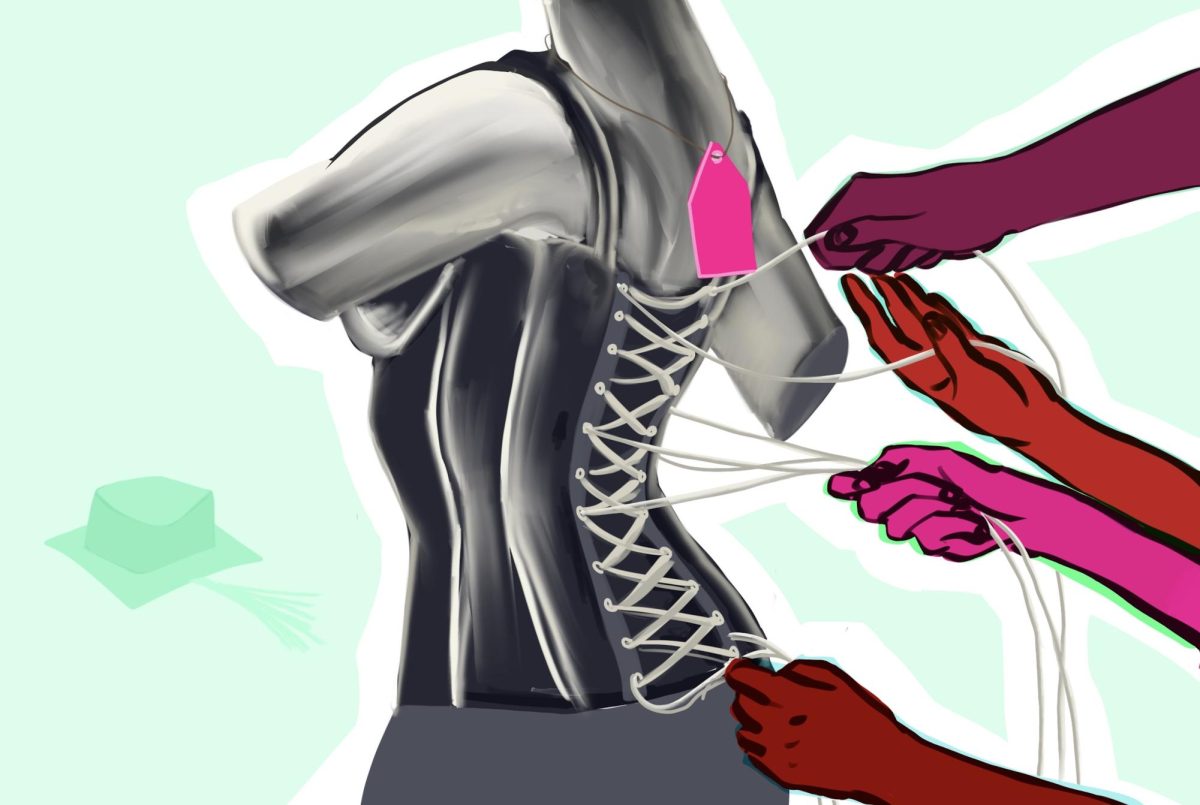
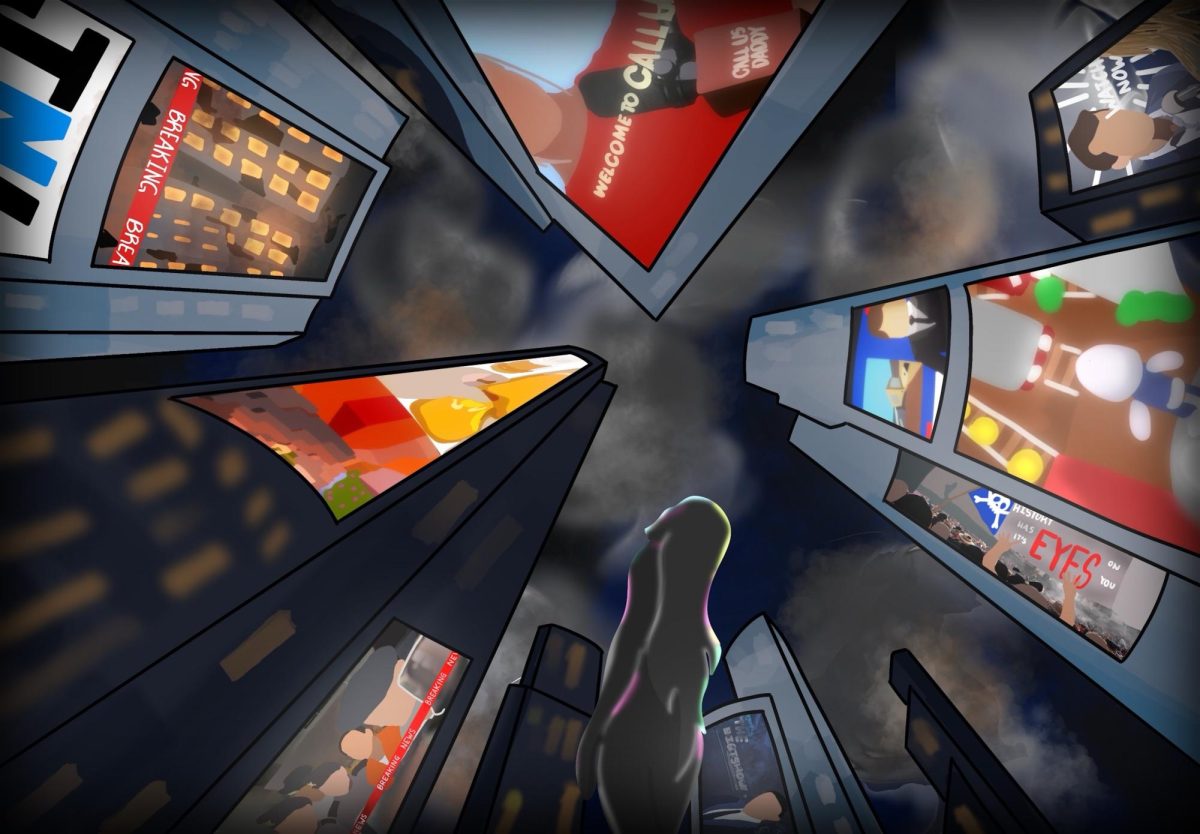
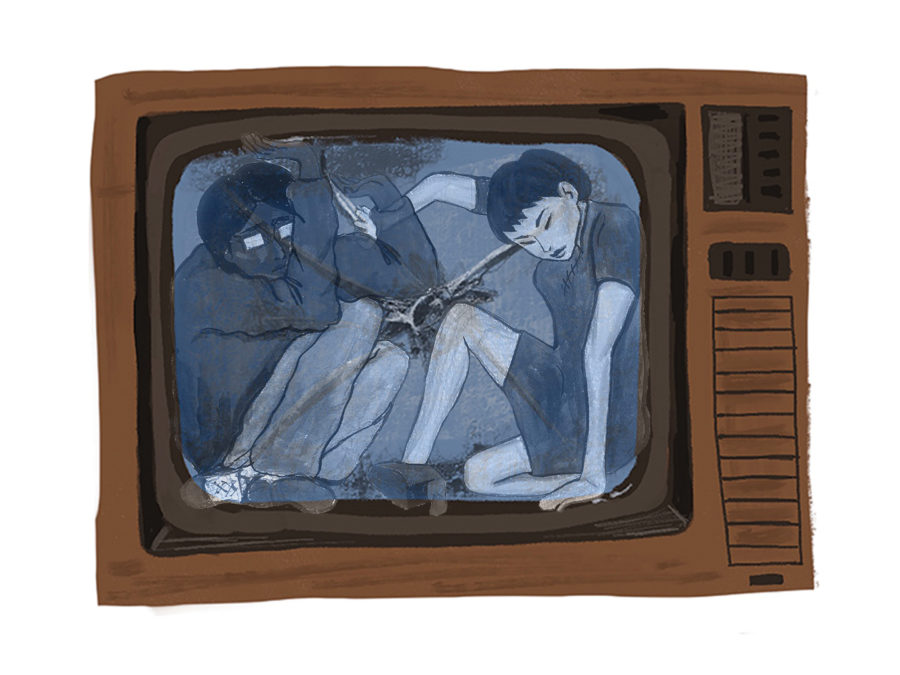
Modern media perpetuates and amplifies the pressure to fit in within societal standards through movies, sinetron, advertisements, and social media. Male characters are usually depicted as tough and emotionless. As a result, many boys grow up believing that sensitivity is incompatible with masculinity.
Cost of Traditional Masculinity
In Indonesia, the phrase is commonly used by teenage boys to justify teasing the girls they like. What starts as “playful” behavior often creates emotional discomfort.
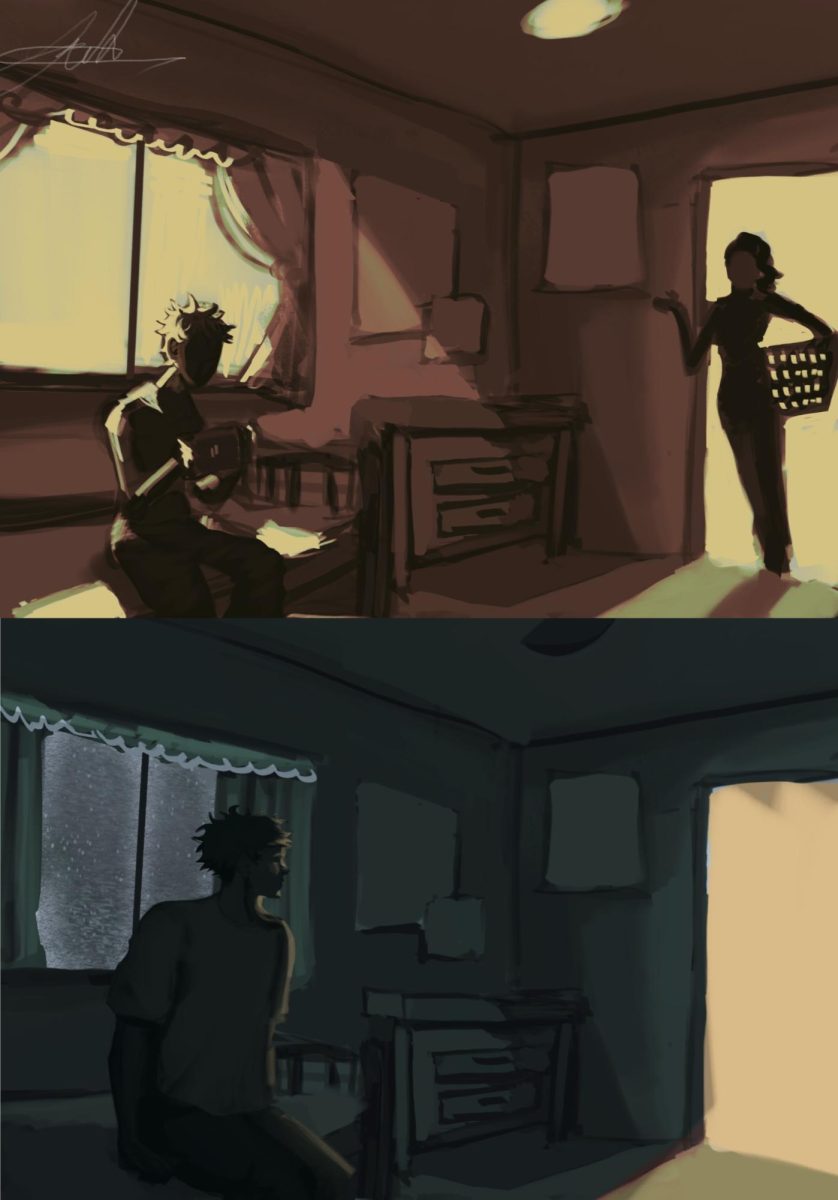
This behavior reflects a deeper issue: toxic expectations that teach boys vulnerability is a weakness for men. These norms push many young men to hide their true feelings, making it harder for them to foster close friendships, process heartbreak, or understand their own emotions.
Nearly 30% of Indonesian men report high levels of depression symptoms, often linked to the pressure of having to “be strong” and constantly suppressing their emotions. Many also experience greater feelings of loneliness because they have learned not to open up. Over time, this emotional suppression affects not only their mental well-being but also their ability to form meaningful connections and grow into confident, well-rounded individuals.
Fighting These Stereotypes
Dwayne “The Rock” Johnson, an actor widely associated with traditionally masculine roles in movies such as Fast and Furious and Jumanji. Despite his image, he has openly spoken about his experiences with depression and the importance of expressing emotions. In interviews and public statements, he has emphasized that “It is okay not to be okay,” challenging the idea that men must always stay unaffected. Instead of suppressing his emotions, he acknowledges them publicly, demonstrating that true strength includes honesty and self-awareness.
Thus, while masculinity can be defined by physical strength or how long one can hold back tears, what takes real courage is the willingness to feel deeply, to acknowledge emotions, and to express them honestly without shame. By holding on to outdated beliefs about masculinity, we risk raising a generation of young men who struggle with bottled-up emotions and difficulty forming real connections. True masculinity is shaped by emotional understanding and courage. From cultural expectations to the different norms that have molded their own definition of masculinity, it is necessary that future generations know that being sensitive is not weakness—it is one of the strongest things a man can be.
We have spent generations telling boys to man up, toughen up, and shut up. And we have watched them grow into men who suffer in silence, push people away, and die before learning how to ask for help.
The mask of strength did not make them stronger, but only harder to reach. Now, is that a strength or a weakness?