



Across cultures and centuries, the music we choose and share has served as one of our most intimate forms of self-expression. It has always been how we make sense of what we feel, mark what we have lived through, and communicate what words cannot carry.
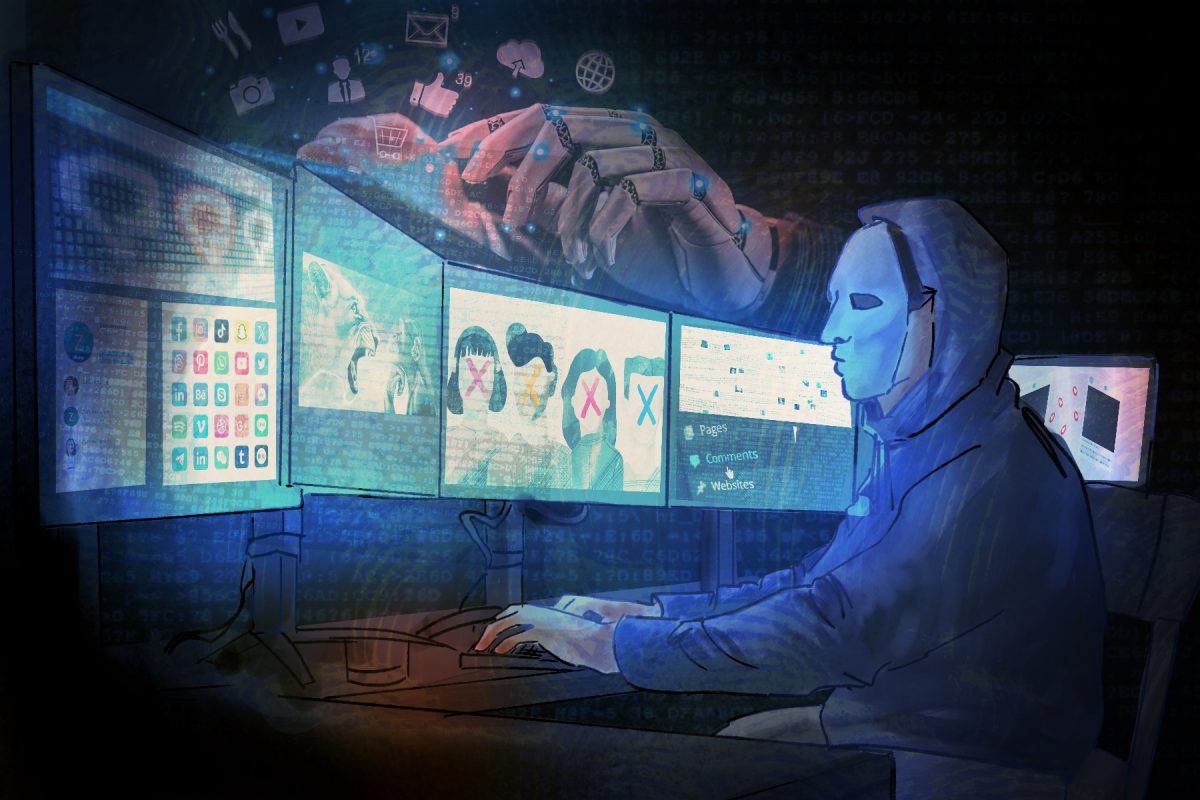
Or, at least, before social media came into play. In an era where digital platforms increasingly enable every aspect of our lives to be documented and curated for public display, a private experience transformed into a deceptive performance, and Spotify Wrapped is leading the charge.
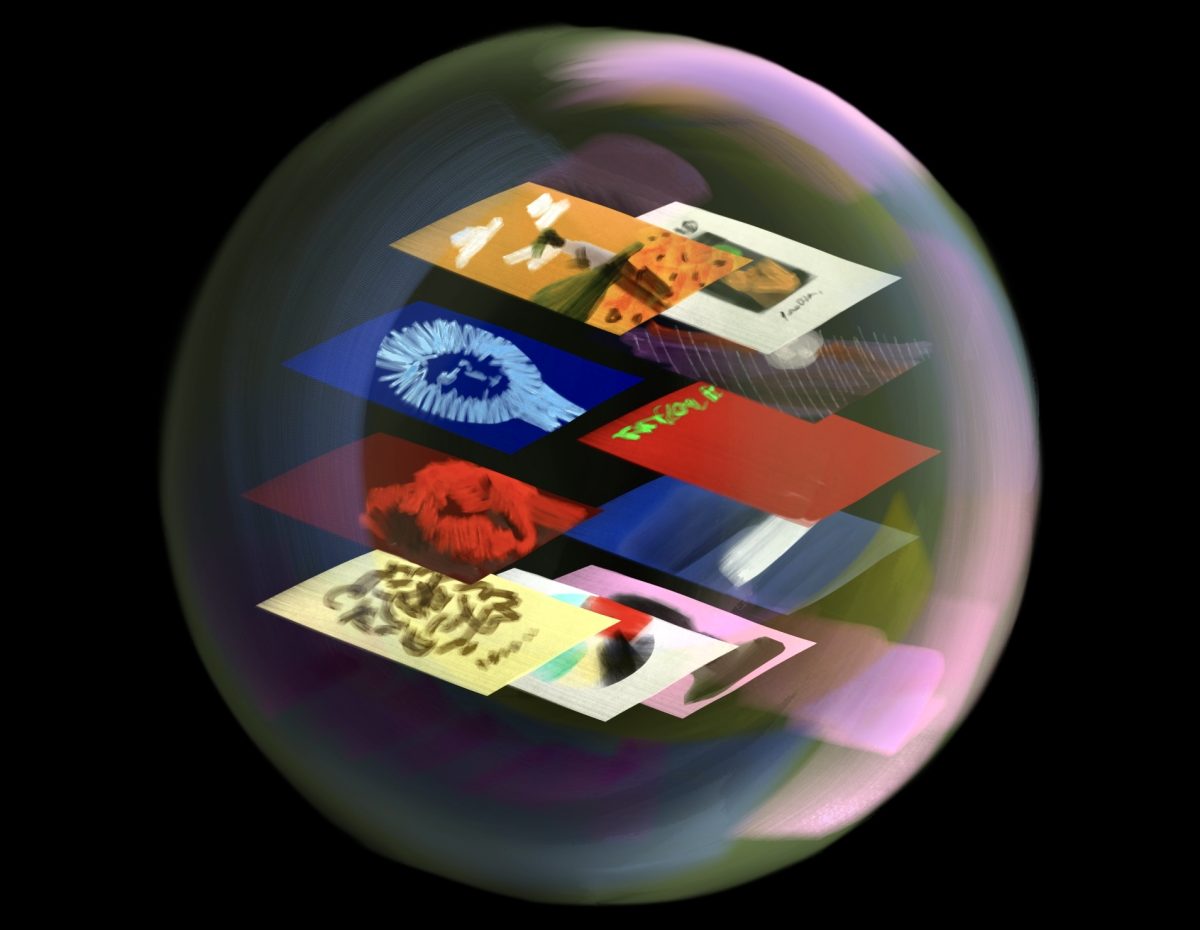
The platform’s official Newsroom describes this annual feature as a way to turn private listening into “shareable moments”—top artists, top songs, total minutes—all designed to be easily distributed across social media. What was once private now becomes a public performance by which others evaluate who you are, what you have been through, and the persona you have chosen to present to the world.
Top Artists
The first of these metrics displays a user’s five most-streamed artists of the year—each associated with distinct listener stereotypes. Taylor Swift, according to Spotify Newsroom, was their most-streamed artist in 2023 and 2024, rising to popularity for love-centric songs—such as “Love Story” and “You Belong With Me”—that document the emotional rollercoaster of adolescence. Consequently, her listeners are frequently characterized as lovesick teenage girls who internalize and emphasize the romantic struggles she portrays.
Lana del Rey, dubbed by People Magazine as “the poster child of the coquette aesthetic,” captivated audiences with her melancholic yet raspy voice—widely attributed to her vaping and smoking habits. Her discography explores sadness, fame, and toxic relationships, with tracks like “Ultraviolence” and “Born to Die” standing as her most prominent examples. Her fanbase is often stereotyped as deeply dramatic individuals who not only fail to acknowledge unhealthy behaviors but actively romanticize them, using the same destructive coping mechanisms in pursuit of embodying the persona she projects.
Drake, having received 41 Billboard Music Awards, climbed to prominence for blending rap with confessions about failed relationships and emotional vulnerability in tracks like “Hotline Bling” and “Marvin’s Room.” His listeners are often stereotyped as “performative” preteen boys who actively keep up with trends in order to maintain social relevance.
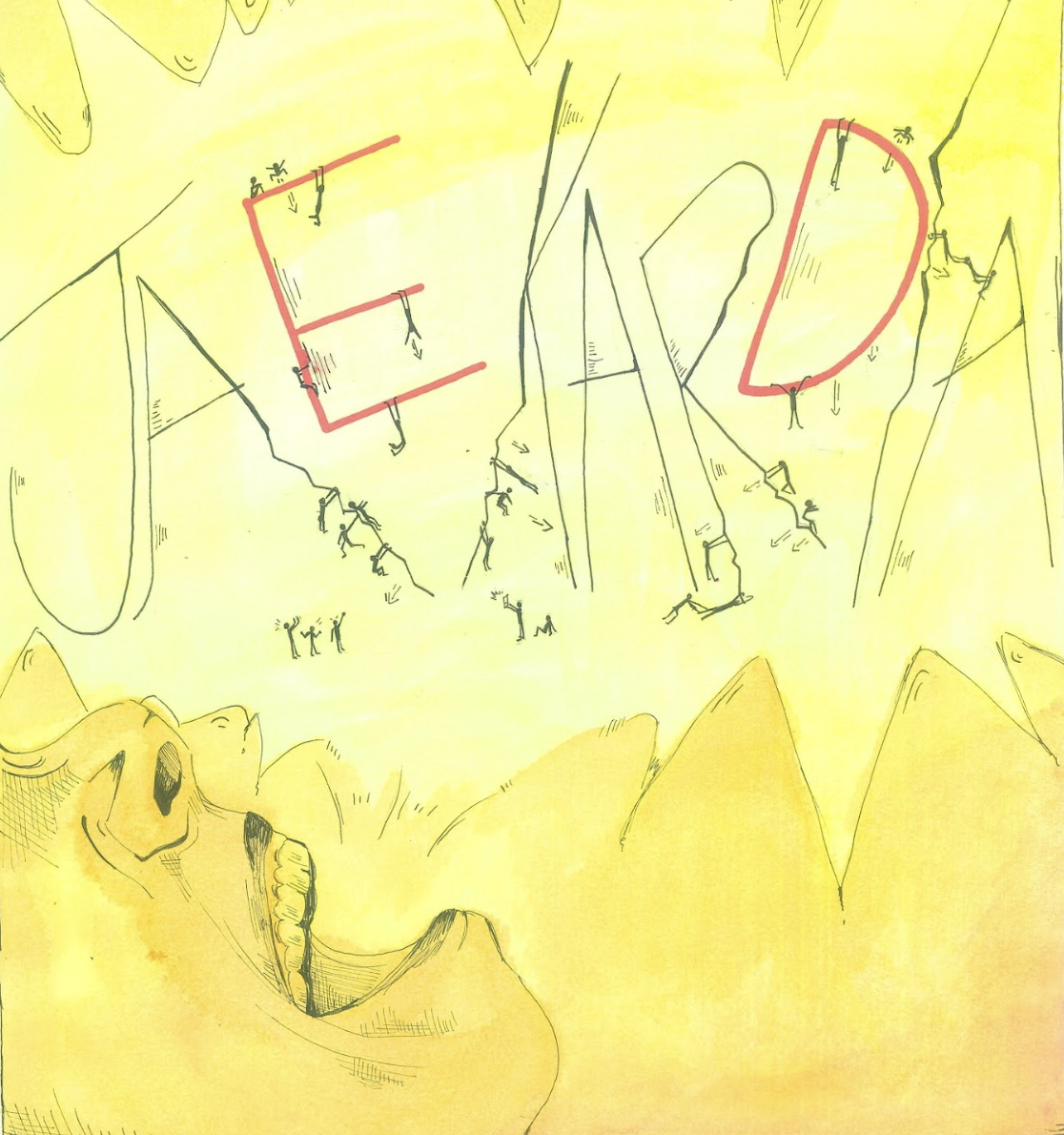
“Niche” artists, however, invite a different kind of assumption entirely. According to iMusician, an artist is considered niche when their music appeals to a smaller audience rather than a mass-market one, often requiring deliberate discovery. Because their music is difficult to come by, their audience is stereotyped as listeners who actively cultivate their taste outside the reach of mainstream culture—a perceived marker of cultural depth, dedication, and emotional intelligence.
This obscurity, however, has a shelf life. Once a niche artist becomes “TikToktified”—the surge of popularity experienced after blowing up on TikTok—the artist is considered mainstream, shedding the exclusivity that once defined both them and their early listeners. A listener with “TikTok music taste” is regarded unfavorably, with their discoveries perceived as a result of following trends rather than active cultivation.
A prominent example is Olivia Dean, who spent seven years quietly building her career before her hit “Man I Need” brought her to widespread attention. Yet, according to Music Musings & Such, early supporters promptly dismissed her sound as “Whole Foods music” and redirected their focus to the next niche artist after her rise to success. Once everyone knew her name, it no longer set anyone apart. Not every listener abandons their taste entirely, though. Some maintain their original preferences while strategically incorporating niche artists, smoothing out anything that reads as “too mainstream,” editing their tastes just enough without abandoning themselves entirely. One student describes the approach plainly: “I post [the song] if it’s aesthetically pleasing, and don’t if it’s cringe.”
Listeners now curate their top artists not just around what they enjoy, but around what those artists signal—chasing the assumptions they want attached to their name, avoiding the ones they do not.
Top Songs
If top artists signal identity, top songs signal experience. A song is tied to a person’s “memories, experiences, and daily routines,” and the ones that surface on Wrapped are read as evidence of the moments and experiences a listener has lived through. Unlike artists, who signal broad affiliation, songs carry the weight of specific experiences we have undergone.
For example, having a song like “Lover, You Should’ve Come Over” by Jeff Buckley at the top of a listener’s most-played list implies that they have sat with the slow-burning regret of a tough breakup. “The Morning” by The Weeknd as a listener’s number one suggests knowing the hollow feeling after the party high subsides. “Ribs” by Lorde points to the drowning nostalgia of a “coming-of-age” crisis. Each song becomes shorthand for an experience and emotion, and listeners are exactly aware of how each one reads.
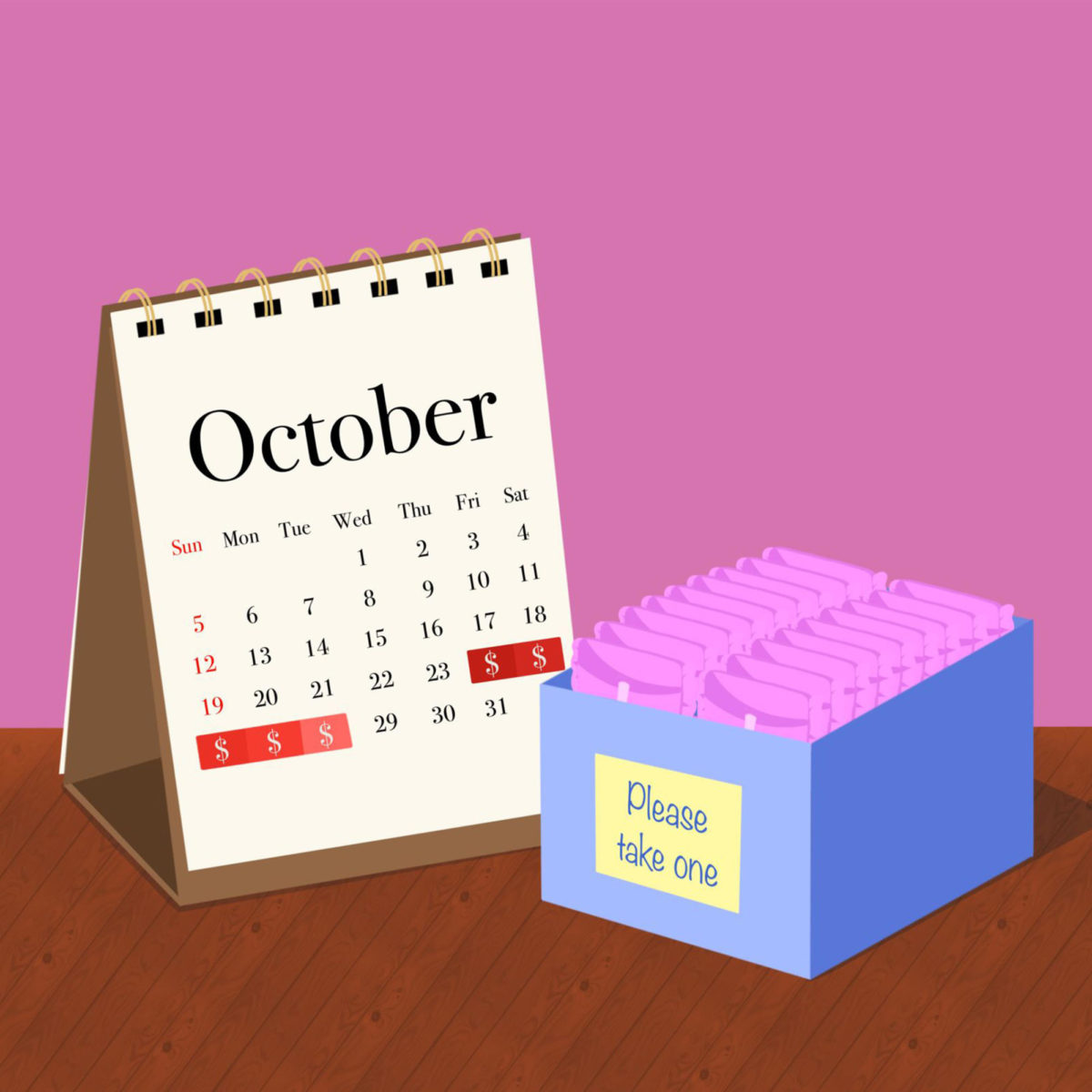
Yet, this data is often manipulated. According to Inspire the Mind, by October each year, posts on X (formerly Twitter) warn users it is their “last chance to fix up your stats” before Wrapped captures them.
Some listeners exploit their discography to broadcast certain experiences they want to appear to have lived—whether or not that accurately reflects reality.
A listener might loop a devastating ballad to signal a breakup they have not lived, a melancholic late-night track to suggest a gnawing loneliness, or a euphoric anthem to represent a recklessness they never quite embraced but wish to be associated with. By strategically increasing the stream count of a certain track, listeners can craft a mosaic of specific experiences without ever having to pay the emotional price in reality.
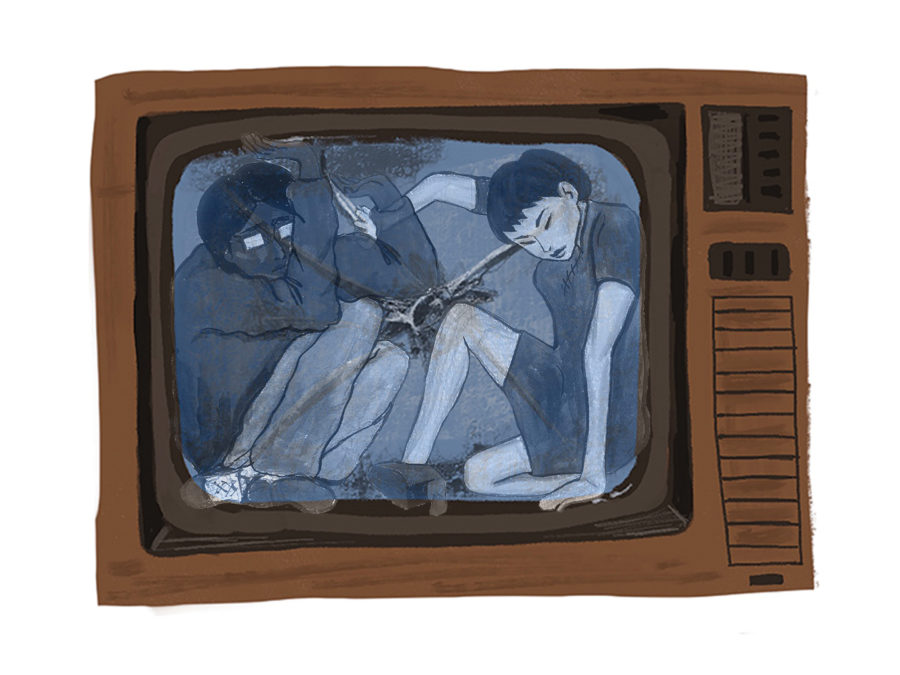
Conversely, some people do not want to broadcast their experiences, erasing them entirely. Through the use of “Private Sessions,” an “incognito mode” to disconnect listener activity from the year-end algorithms that generate their Wrapped results, a listener can loop a song that represents a vulnerable moment without that vulnerability becoming part of their public record.
Total Minutes
Beyond the artists and songs themselves, Wrapped also tallies the total minutes a user has spent listening on the platform. While top artists indicate identity and top songs reflect experience, minutes signal devotion.
One student notes that listeners with a high volume of minutes are usually considered more “emotional, creative, and expressive,” while those with low minutes may be dubbed less dedicated listeners.
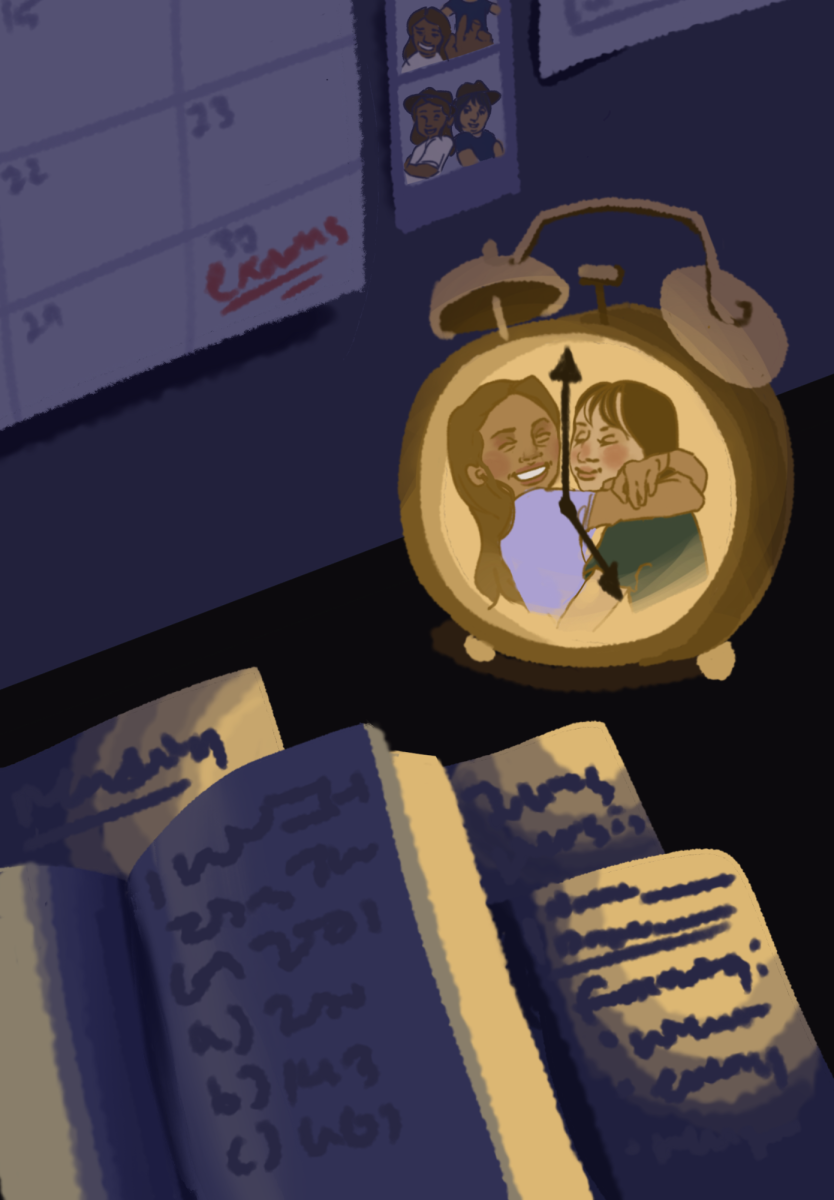
To inflate this figure, some listeners engage in “minute-fishing”: playing music on repeat not to savor it, but purely to accumulate more time. This might entail leaving a phone on low volume, looping a playlist during sleep, or streaming an album in a sparsely used room.
A figure once meant to reflect a year of genuine listening, once inflated, ceases to mean anything authentic at all. What began as a measure of devotion has now become a performance of it—accumulated not for the feeling, but for how the figure will read. However, minutes are not the only casualty.
The Cost of Performance
Like the posts we share, the images we filter, and the personas we construct, Wrapped results are now deliberately managed performances—shaped not by what was genuinely experienced, but by what we intend others to perceive. Social media has extended the pressure to perform beyond posts, until even the music we listen to has become material for public display. The question that remains is: when every aspect of private life becomes recruitable for curation, how much of who we truly are remains?