



















Be sexualized or be forgotten. That is the unwritten deal that the entertainment world has long offered women—fame in exchange for objectification. From Marilyn Monroe’s white skirt lifted on a sidewalk, a ten-year-old Brooke Shields photographed in a bathtub or Sydney Sweeney watching her character’s exploitation reenacted in real life, femininity may be redefined—but sex still sells.
The explanation we tend to settle for is to blame Hollywood—the powerhouse of studios and producers often said to be profiting from the diminishment of women.
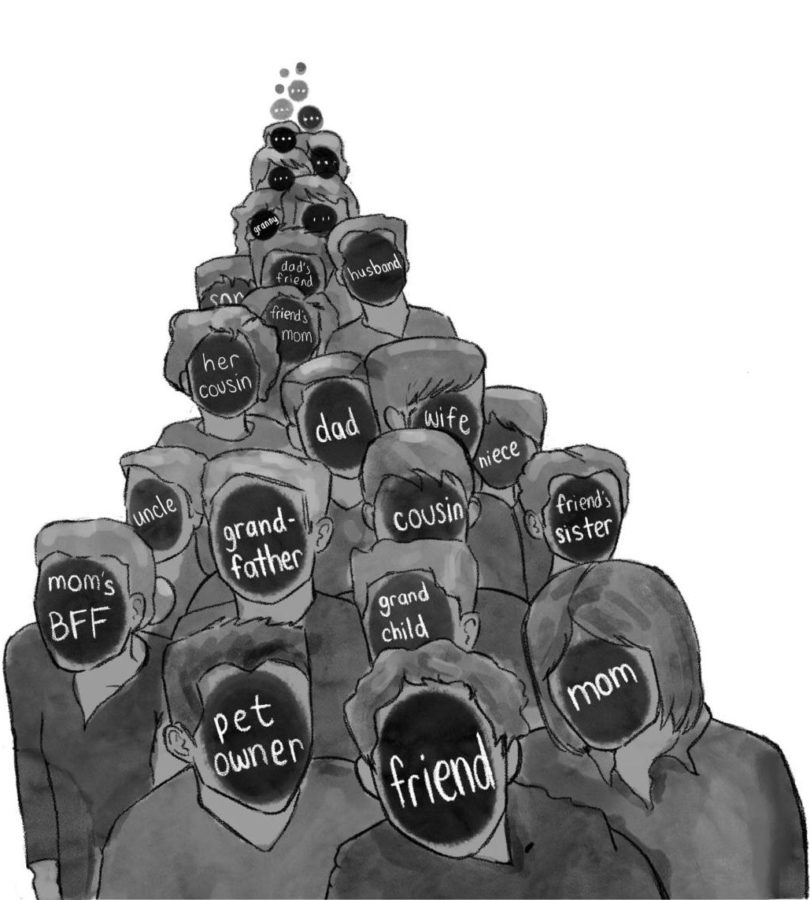
Yet, this cycle is not solely driven by studios or producers, but by us—the audience whose attention feeds it, and whose rejection materializes the moment a woman reaches for something more.
Marilyn Monroe (1950s – 1960s)
Few stars have been as defining as Marilyn Monroe was to the 1950s. At the time, strict prohibitions on female sexuality ensured that the Motion Picture Production Code limited nudity, sensual dancing, and even excessive on-screen kissing. Yet audiences paid to see the opposite of such cultural values.
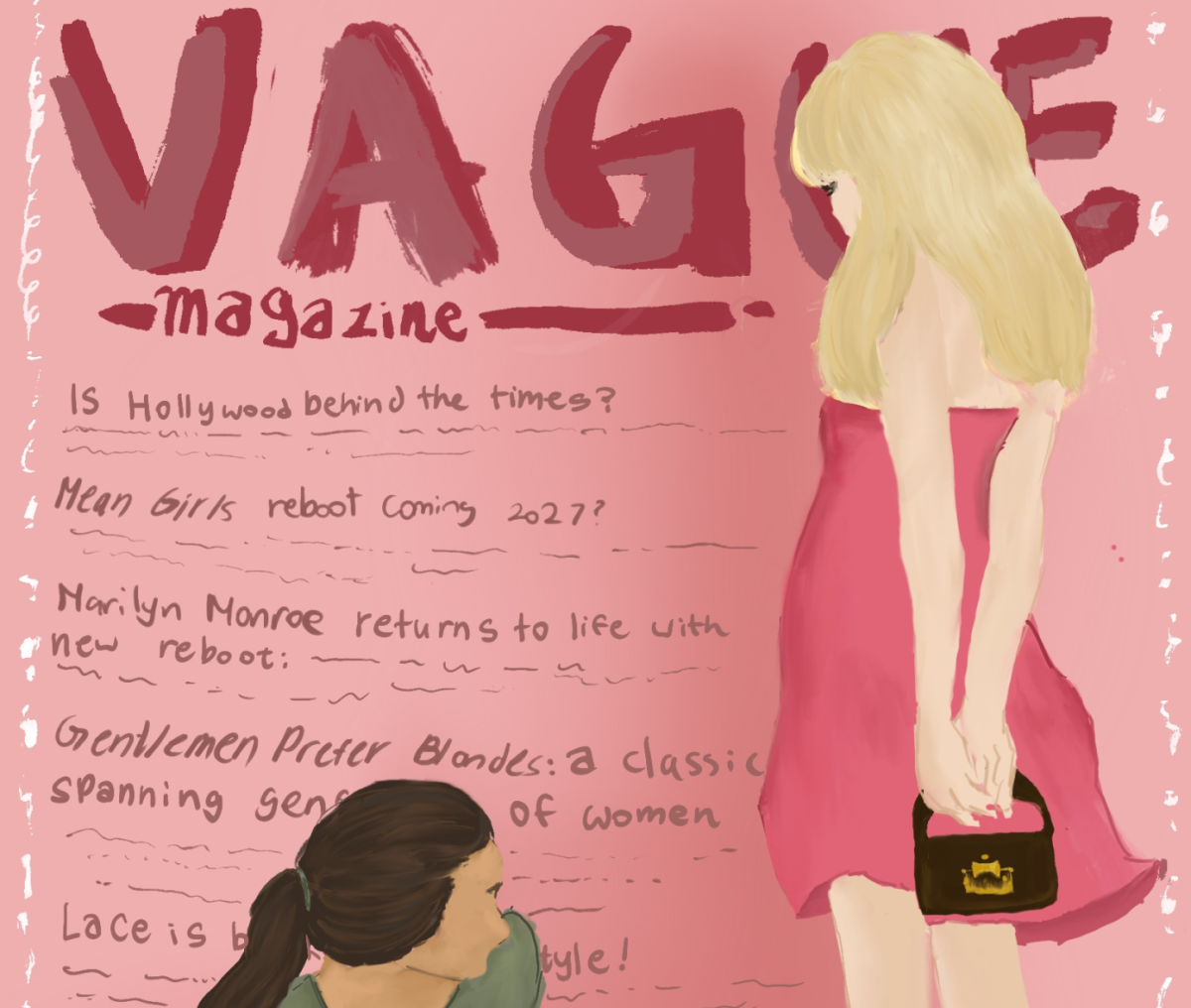
Films like How to Marry a Millionaire (1953) and Gentlemen Prefer Blondes (1953) made Monroe the face of an entire decade, and by 1955, the scene of her white skirt billowing up her legs in The Seven Year Itch became one of the most recurrent images in American cinema glamour.
Eventually growing tired of being recognized for her appearance, Monroe moved to New York City in the mid-1950s to study under acting coach Lee Strasberg and redefine her image. Despite studying dramatic acting for over a year, by the early 60s, her work did not translate to commercial success. The digital media outlet Biography.com reports that her 1961 film The Misfits, meant to showcase her range as an actress, barely broke even at the box office. Audiences refused to pay for a Monroe who was not a sexual spectacle and her career began to fade as she tried to move beyond those roles.
Brooke Shields (1970s – 1980s)
By fourteen, Brooke Shields had become one of the most objectified faces by the influence of her mother and manager. The Guardian states that at the age of ten, Shields was exploited by her mother to pose nude in a bathtub to be photographed for an adult magazine. Almost four decades after it was taken, the image sold at Christie’s 2014 auction for nearly $4 million. As a result, the industry saw it as an opportunity to create even more projects centered around Shields.
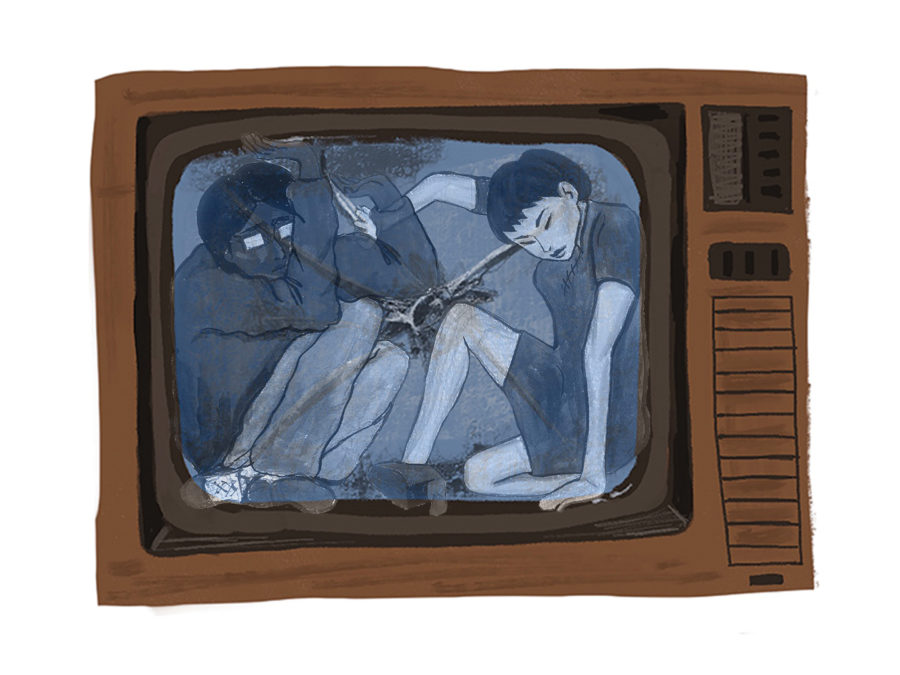
At fourteen, Shields’ mother secured her the era-defining role of Emmeline in Blue Lagoon (1980), a film about two adolescent cousins stranded on a deserted island who develop an intimate relationship. The film objectified its young stars, twisting adolescence into a sexual narrative. Despite widespread criticism regarding the nudity of both leads, the entertainment website People.com cites that the film made over $58 million, becoming one of the highest-grossing films of the year.
The following year, Shields fronted a Calvin Klein campaign her mother had once again arranged, delivering the line that would follow her for decades: “You wanna know what comes between me and my Calvins? Nothing.”
The American Association of Advertising Agencies reports that the ad was condemned as overtly provocative, with networks such as ABC and CBS refusing to air it.
Even so, the campaign was a commercial success, with Interview Magazine noting a significant rise in jean sales in the year that followed. In stores, many customers began to request the “Brooke Shields jeans” for themselves and their patrons—proof that even as a child, her most profitable and defining identity was her eroticized image.
However, her decision to attend Princeton cost her her stardom and for the first time, was a career decision of her own. She studied French literature, telling The New York Times that learning to think for herself “morphed into this big rebellion” against the public identity that had defined her childhood. Following graduation, despite her attempts at Broadway and character-driven TV roles, Shields never regained the commercial success of her teenage years. According to her interview in Town & Country, a lifestyle magazine, producers no longer recognized her name, and she took small parts to keep working as her career faded.
Sydney Sweeney (2020s – Present)
One of the most commercially successful young actresses of this decade is Sydney Sweeney, who built her career on roles defined by her sexuality. Her breakout role of Cassie Howard in Euphoria (2019), a teenage girl whose storyline revolves around the consequences of only being valued for her body, propelled her into the cultural spotlight. In the series, Cassie is exploited by the men around her, filmed without consent, and repeatedly discarded. The show frames her objectification as a tragedy rather than a fantasy.
Yet the show’s popularity suggested that audiences were more entertained by her suffering than disturbed by it. In the current season of Euphoria, viewers continued to come back for more, drawn in by Cassie’s continued exploitation. Variety reports that the Season 3 premiere of Euphoria drew 8.5 million viewers in its first three days. The season opens on Cassie launching an OnlyFans account, an online platform where users commercialize their personal media for paying subscribers, to fund her lavish wedding.
As Cassie continues to be objectified on screen, Sydney Sweeney continues to face the same treatment off screen, becoming the target of the very behavior the role was designed to critique. She told Elle, “What was being said about Cassie in Euphoria, the public then decided to do to me in real life.” Even with the show framing Cassie’s exploitation as a tragedy, audiences refused to empathize and instead participated in it themselves.
In response, Sweeney attempted to redirect her career toward roles defined by more than just her appearance. In 2025, she starred in the biopic Christy as Christy Martin, a world champion boxer. The filmmaking resource hub No Film School reports that Sweeney trained three hours a day and gained almost 16kg of muscle for the role. Playing Christy was an attempt to step away from her role as Cassie and become someone defined by physical power instead. The film, which cost $15 million to produce, was a massive failure, earning less than $2 million in its opening weekend. When Sweeney moved away from the “bombshell” identity that had built her career, audiences turned away. Her value, like those before her, was tied to her body, not her craft.
The Persistent Pattern
The decades have changed, but the stories we expect and encourage have not. Monroe, Shields, and Sweeney each attempted to resist their typecasting to seek independence, intelligence, or agency, and our collective attention did not follow—it simply looked toward a younger, newer figure to settle on.
We claim to value these women for their work, yet keep paying to see only their bodies. The pattern persists not because Hollywood forces us to watch, but because we still have not learned to admire a woman without desiring her first—so when her sex appeal fades, so does she.
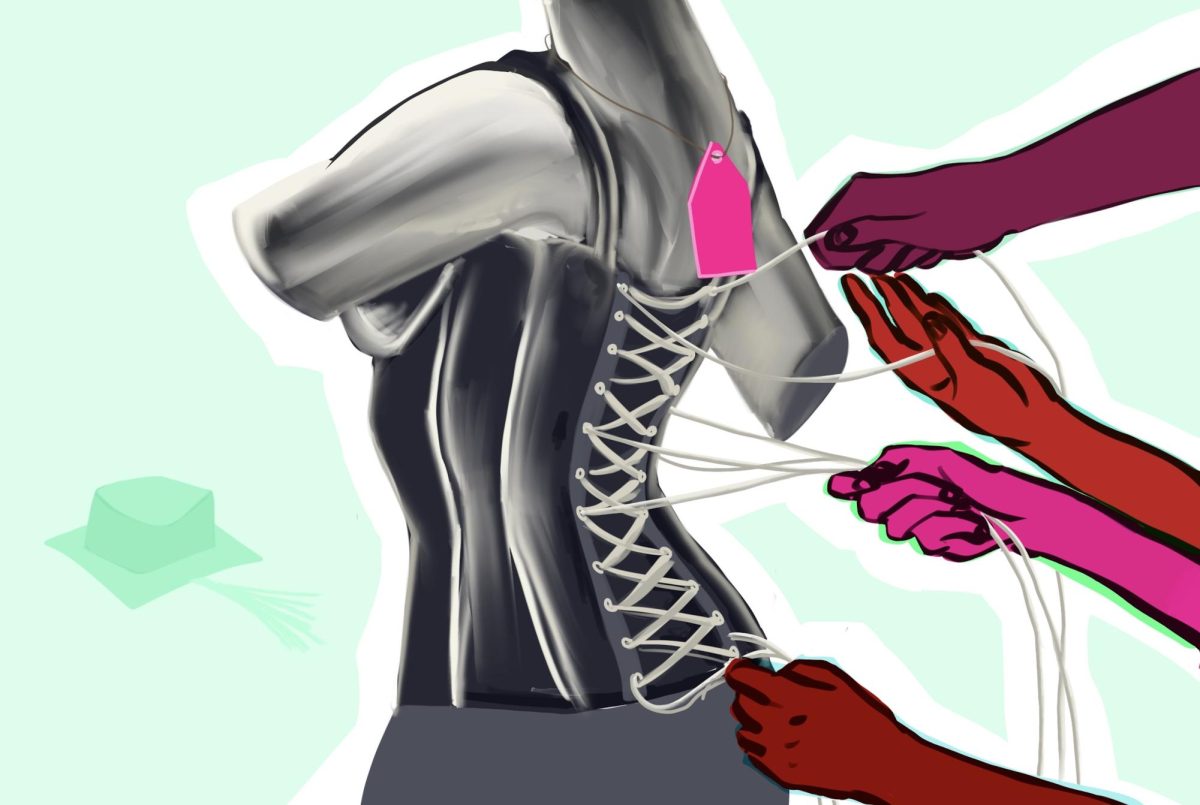
So despite our public condemnation, the sexual appeal of a woman remains the most significant factor of her fame. And until we value a woman for who she is as much as the persona that is bound to amplify her curves and constrict her breathing, the story will always end the same way: desired, deposed, and ultimately, disposed. How much longer will we keep buying the lie and throw dignity away?