
























Sibling relationships are often shaped through everyday presence and routine. However, when a sibling leaves for college, maintaining that connection requires learning how relationships adapt beyond physical closeness.
Acknowledging Absence
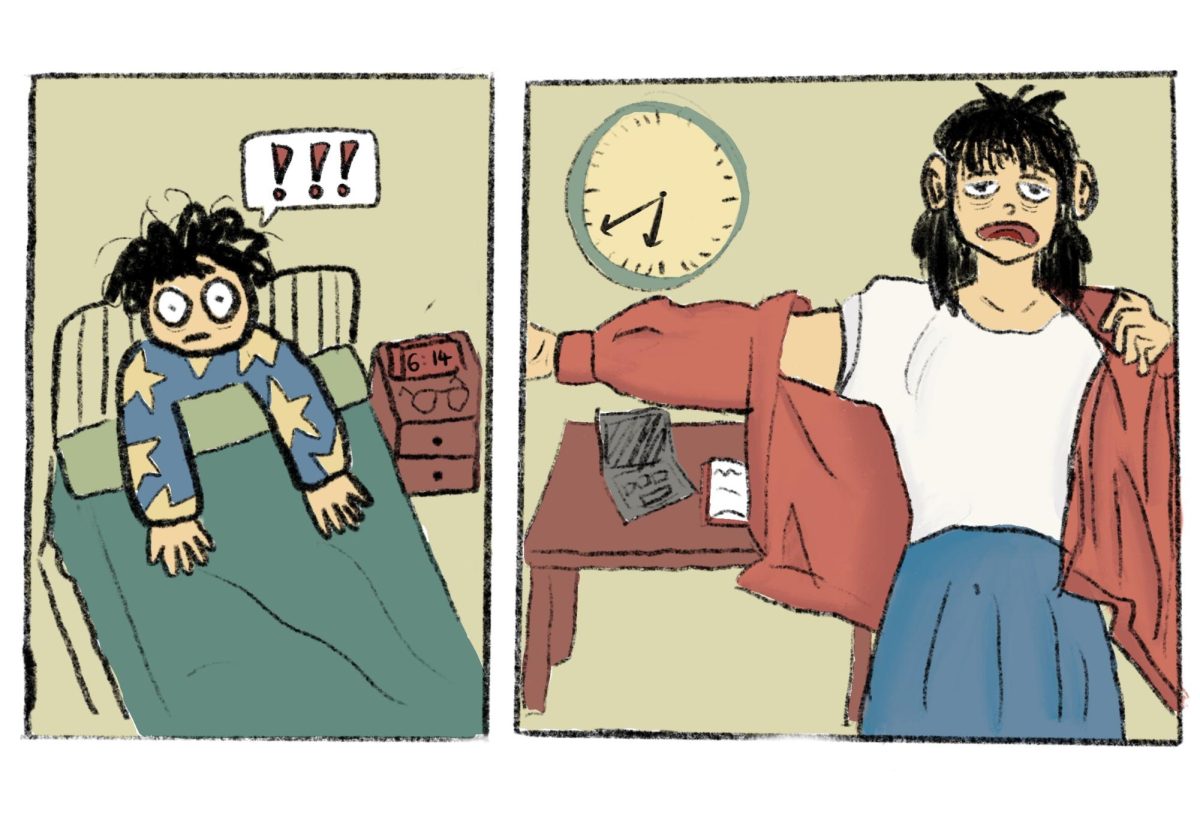
When your sibling prepares to leaves for college, the acceptance of their absence will be gradual rather than sudden. Although they know where they are heading next, their life at home remains the same: they sit at the same spot at the dining table, their voice still echoing from their room.
These familiar routines make departure seem unreal. As you both accept the fated separation, the transition from offline hugs to messages read becomes more tolerable. And when fate turns into reality, your “goodbyes” have unfold organically rather than abruptly.
Having the Conversation
Before your sibling leaves for college, it is important to communicate your vulnerbilities: thoughts of appreciation, frustration, or love to be unaddressed. A senior expresses regret: “[After my older brother] moved to college, I felt like I didn’t show or tell him that I loved him enough.”
Opening up allows bonds to strengthen, before—like Wi-Fi—your sibling’s presence become less predictable. Between the physical distance and conflicting schedules, unspoken thoughts only become harder to express. Months before the dreaded change happens, initiate frequent yet genuine check-ins and consistently express your appreciation for your sibling. Inevitably, routines change and your neighboring car seat become vacant, yet the memories and love remain constant.
Simple Yet Meaningful
Oftentimes we think of grand gestures as the only form of affection. Yet, it is the simple actions that are most cherished and comforting in times of separation—cooking and enjoying a meal together or capturing pictures of moments to revisit and feel nostalgic over later. Simple actions feel genuine because they are uncomplicated. More than grand gestures, they reflect the consistency through which siblings continue expressing care for one another.
With technology, you can start maintaining your long distance “siblingship” early through activities such as creating a shared playlist or collaborative digital photo album. These give both siblings an outet to celebrate old and new memories alike, regardless of distance. Other gestures such as voice memos, long late-night messages, or thoughtfully created care packages can also help in preserving a sense of closeness in ways that feel far more personal than routine texting alone.
Adapting to Change
The excess food in what used to be family meals, the empty bedroom still overflowing with memories, and not planning around their schedules before planning your own can make everyday feel a bit unfamiliar. As routines and meal portions adjust, your relationship with your siblings will change as well.
Nevertheless, you can embrace these new routines. As one freshman recounts, “[they and their sibling are] closer when [they are] not able to see each other as often.” Although cliché, distance has a way of making the heart grow fonder.
Responsibility and Personal Growth
Younger siblings can treat independence as an opportunity to grow. When your sibling is no longer there for you 24/7, you must learn to manage your schedule, be more confident in your decisions, and go to the doctor or supermarket on your own. Undoubtedly, newfound independence may produce “growing pains.” But uniquely for younger siblings—who may exist in the shadow of their older siblings—they can develop their own identity and self-confidence. Thus, adapting to your sibling’s absence is not only about managing external change but also finding ways to change yourself.
When your sibling leaves for college, it is not “goodbye”—it is “see you after I learn to adapt and grow in unfamiliar circumstances.” Remember to thank your sibling for all the ways they have guided and supported you over the years. Adjusting to this new life will likely feel unfamiliar for both of you. So, as their departure approaches, make sure to tell your sibling that you love them—or find meaningful ways to show it.