


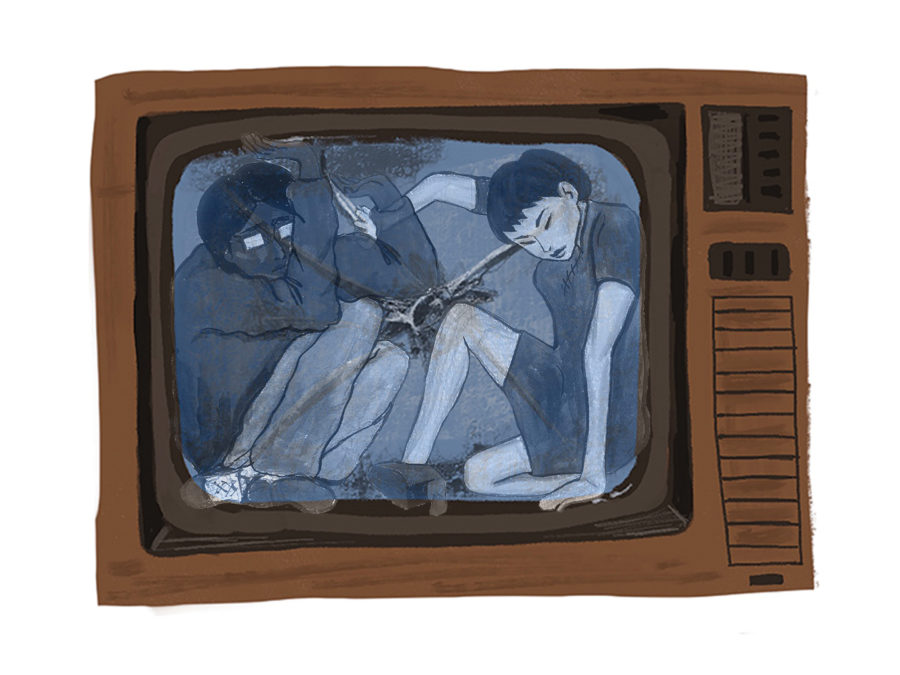
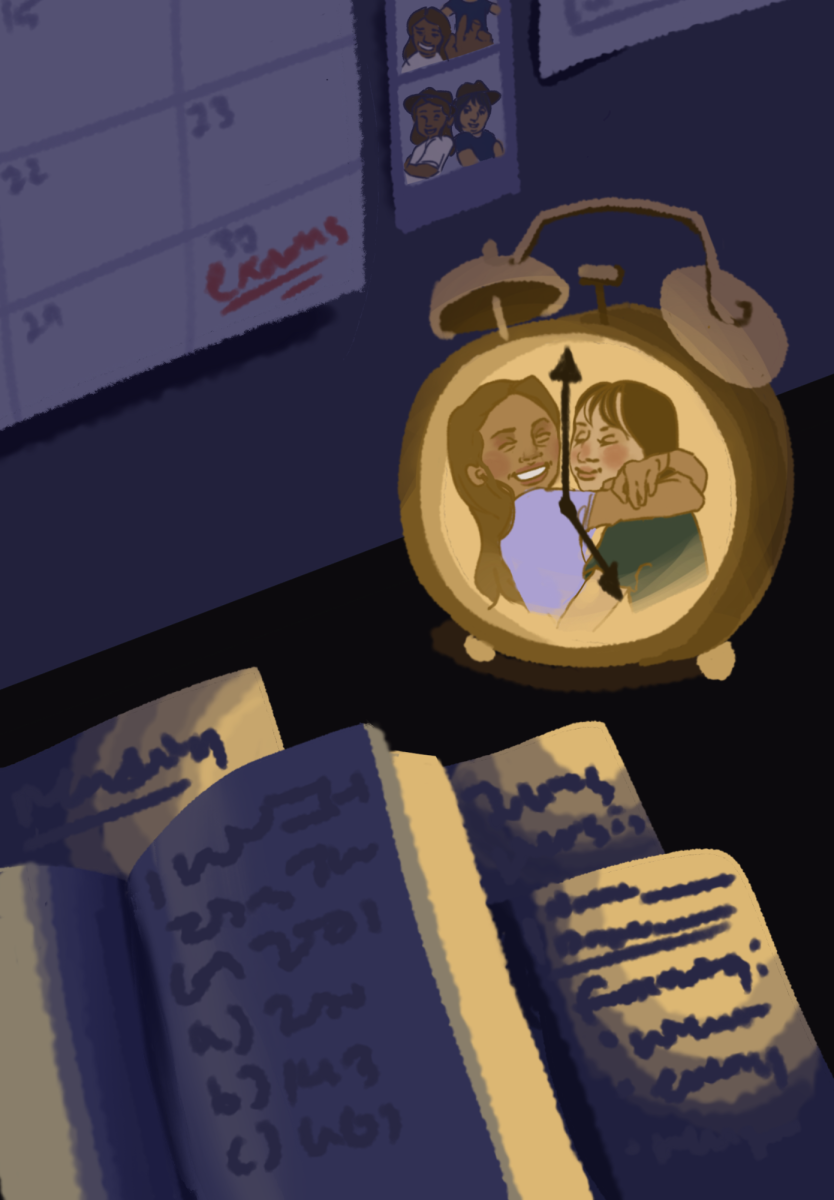
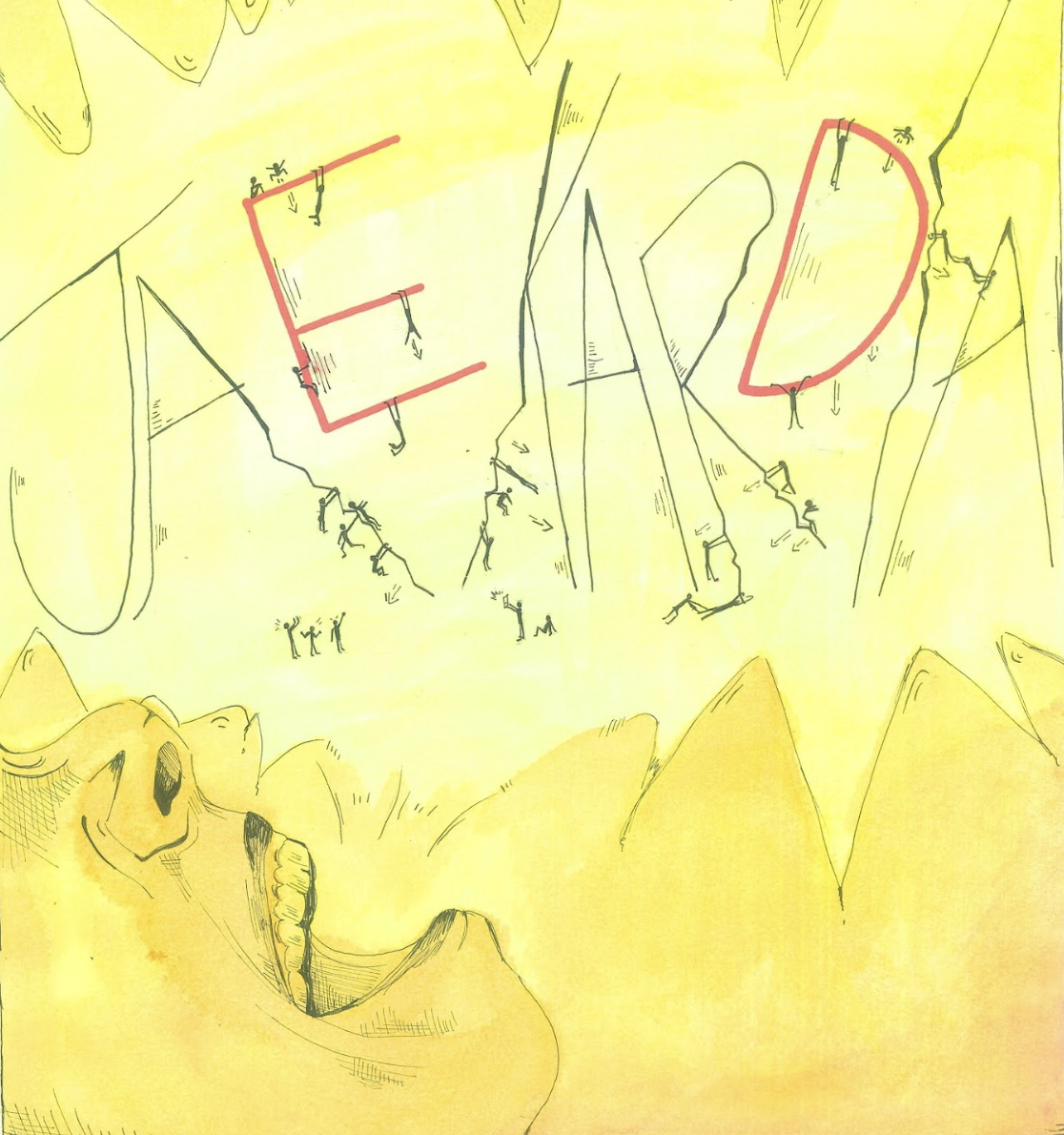





You have probably heard of Modern Family (2009-2020), Gentlemen Prefer Blondes (1953), and Mean Girls (2004), all highly praised pieces of media. Despite being from entirely different decades, they all share one underlying characteristic: their misogynistic stereotyping of female characters. Mass media is saturated with examples of the quintessential “dumb blonde” archetypes, as well as a persisting ideology of beauty and intelligence as an impossible combination of female characteristics.
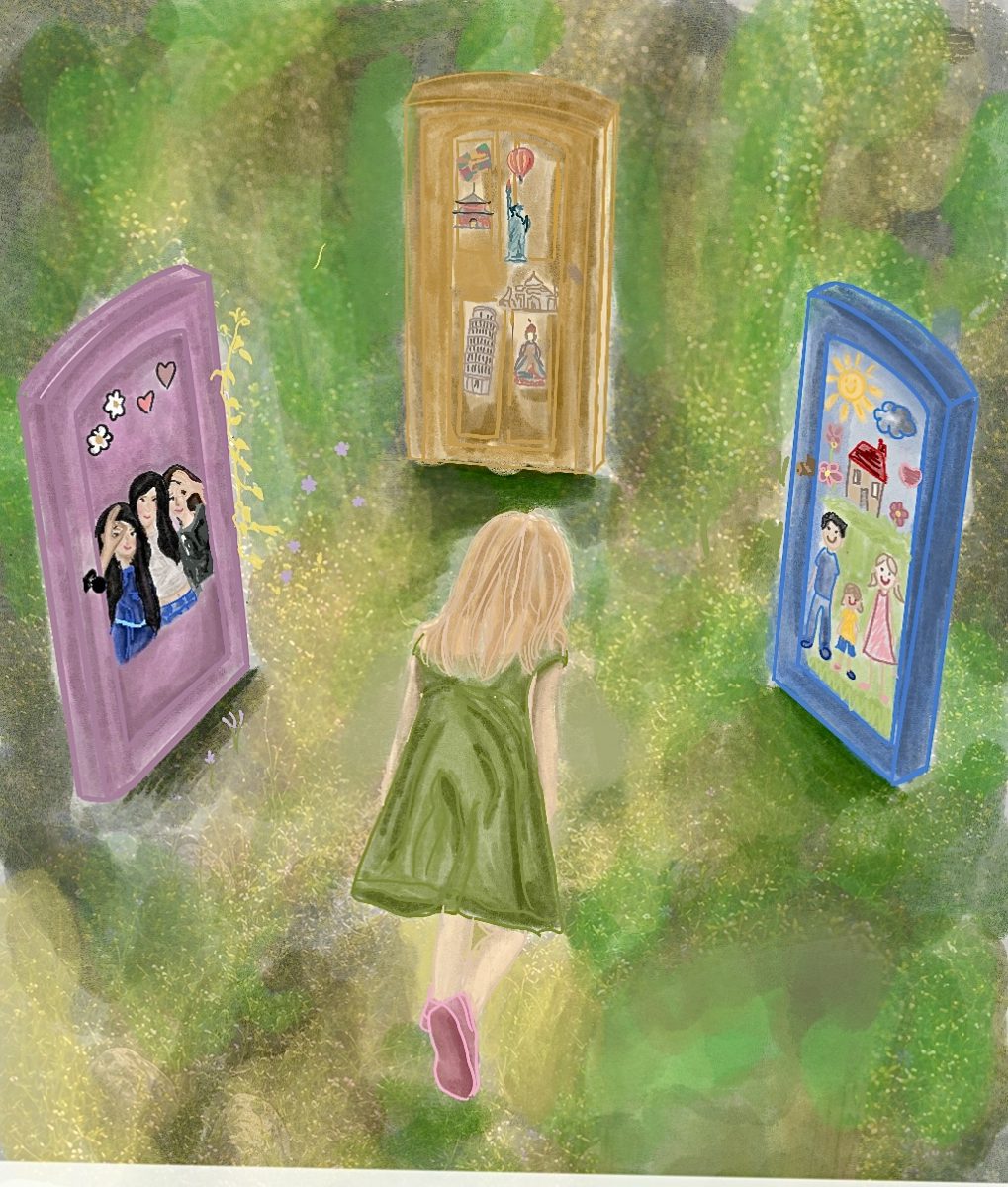
The question is: has society ever truly moved past these misogynistic representations, or have these norms subconsciously endured? Portrayals of female characters in current Hollywood movies remain very similar to those from decades ago, and the stereotyping of these characters leads young girls to believe that their value lies in their looks or intelligence, rather than in who they are holistically. By separating the two attributes and treating the combination of both as a rare phenomenon, it further diminishes young girls’ self-esteem.
Beauty vs. Intelligence
In Modern Family (2009-2020), Haley and Alex Dunphy are sisters, though they could not be more different. Haley is shown as very pretty and popular with boys, but also deemed ditzy and unintelligent. In contrast, Alex is seen as the “smart one”—defined by her high intellect and dedicated academic goals. Throughout the show, the sisters’ focuses become obvious parallels; one enthralled in studies, the other spending time with friends and going out to parties.
As writers assign the two with singular descriptors, their individual values become degraded, preventing them from escaping the terms by which they are defined.
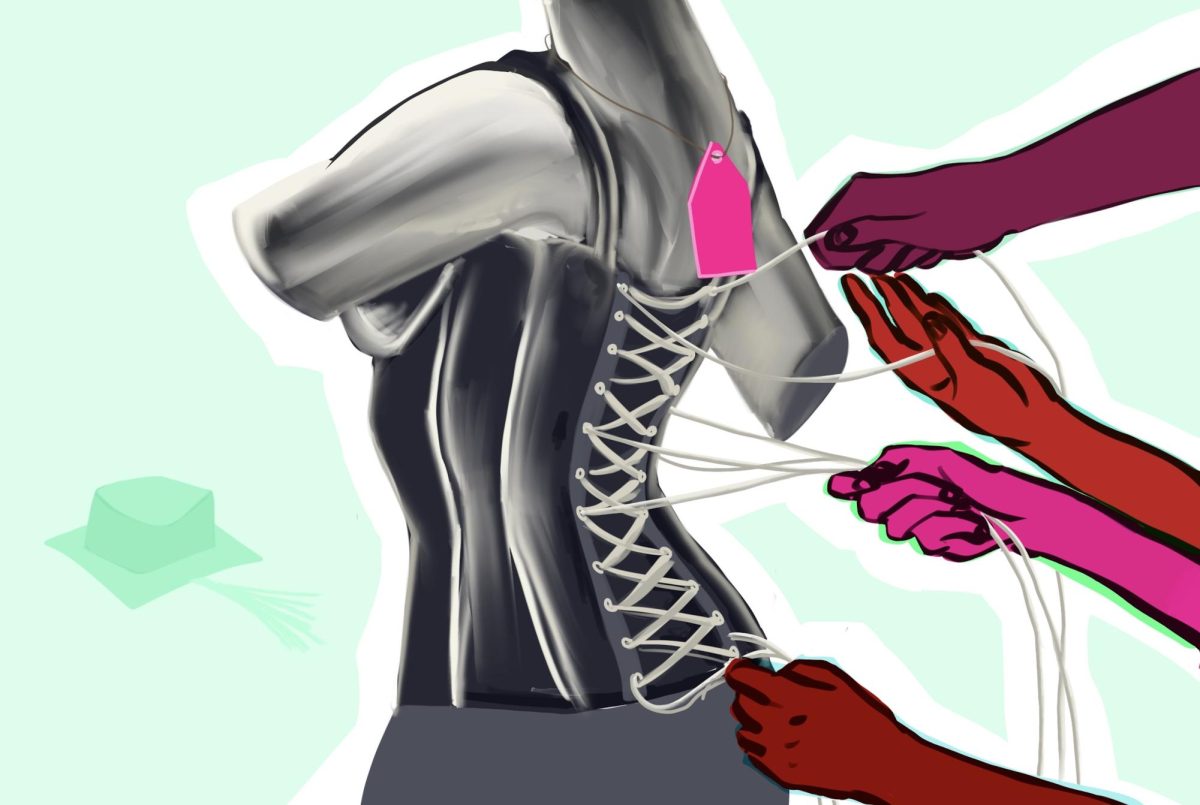
Throughout the show, we see both characters attempt to step out of the stereotypes they are boxed into: Haley studying for her college entrance exams, and Alex trying to branch from her typical simplistic looks and put more effort into her appearance. However, they are quickly met with mockery, sarcasm, and passively criticized by their family, further limiting their character growth.
By reducing their identities to a singular personality trait, the characters are confined to sexist archetypes, restricting any growth they may have the potential to experience later on.
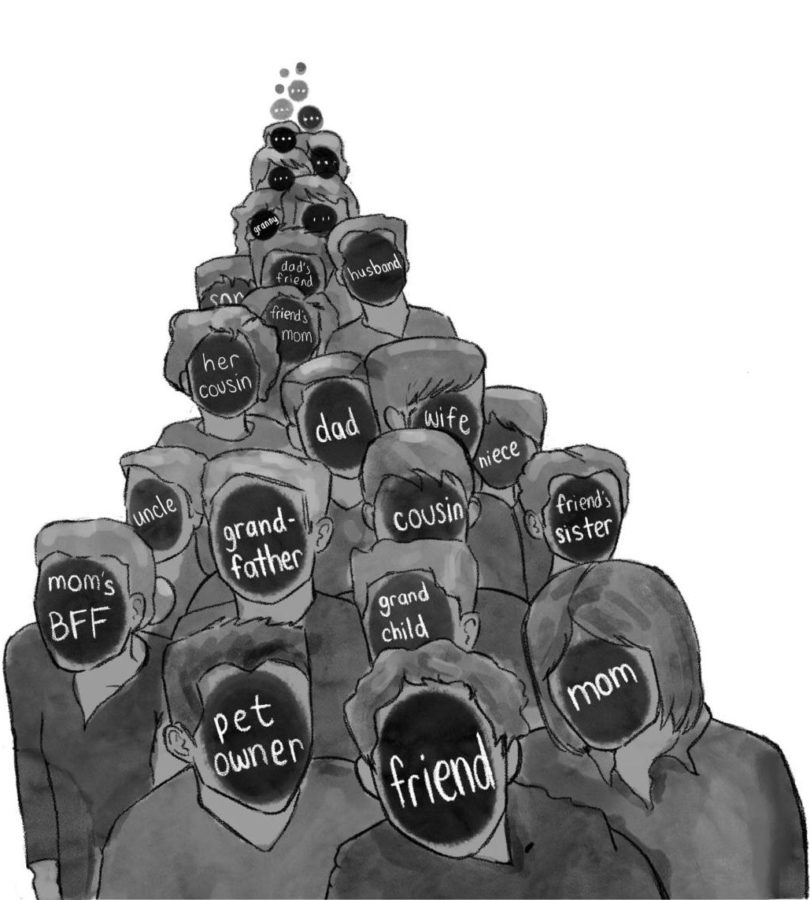
Characters such as these, defined only by shallow labels, often lack individuality and depth in their own identities, which, in turn, influences young female viewers about what their self-identity should be built upon.
“Dumb Blondes”
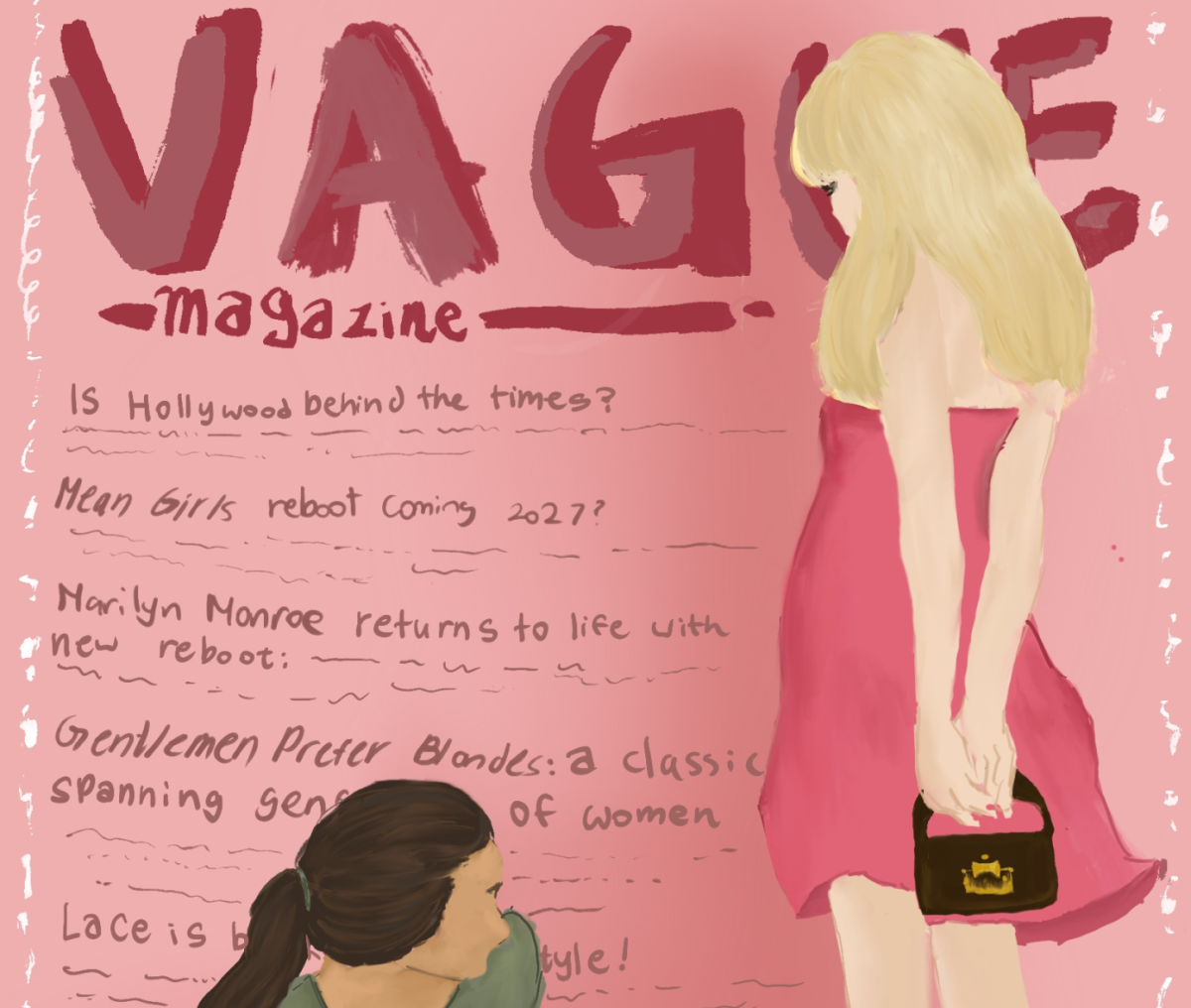
Despite being produced decades apart, Gentlemen Prefer Blondes (1953) and Mean Girls (2004) both feature female characters—Lorelei Lee and Karen Smith—confined to the shallow “dumb blonde” archetype.
Lorelei Lee, played by renowned actress Marilyn Monroe, is easily to blame for perpetuating this stereotype. She presents herself as vapid, ditsy, and unapologetically materialistic, using her beauty and hyper-femininity to charm men into money and power.
Yet beneath that carefully constructed naive manner, viewers realize that Lorelei possesses a different kind of intelligence, one that allows her to secure financial stability from wealthy men and navigate an unequal patriarchal society.
Karen Smith, played by Amanda Seyfried, is also famously known for depicting the “dumb blonde” archetype. Just like Lorelei Lee, she is very conventionally attractive and popular with male characters, solely because of her looks.
Unlike Lorelei, whose persona is that of calculated performance, Karen is seen as clueless and unintelligent, completely undermining her presence in the film.
A famous scene features Karen claiming she can predict whether it is raining by the “feeling in her breasts.” Though it is passed off as a lighthearted joke, this perpetuates the stereotype that all attractive women, especially those associated with the “dumb blonde” archetype, are naive and intellectually incapable.
Almost Ideal
Elle Woods from Legally Blonde is a character that many may argue is the antithesis of the “dumb blonde” trope.
By the end of the film, she is shown as an evolved, inclusive, and independent character; she graduates from Harvard Law School and becomes a fully qualified attorney. However, similar to other female protagonists, Elle Woods is yet another misogynistic depiction of a female character.
When Elle does apply to Harvard, the video application shows her in a sparkly bikini, discussing trifles with her fellow sorority members, which ultimately does not showcase any of her capabilities and instead portrays her as a foolish, naive girl.
Ultimately, her abilities are devalued, and her admittance is chalked up to the final decisions of a board of male professionals, who accept her application almost solely due to her sexual appeal.
Our Community
As we consider these inaccurate portrayals of women in media, it is also important to acknowledge how they affect the young women and girls in our local school community.
A Feedback survey revealed that an overwhelming 60% of female respondents at JIS feel somewhat affected and influenced by the negative stereotypes portrayed in current media.
One remarked that she often hears stereotypes such as “dumb blondes”, and the idea that girls who focus on their looks cannot be intelligent.
A high-achieving, bilingual student with talents in both the arts and sports felt that her social value was often reduced to her physical appearance: “I was close to rock bottom on this chart [of popularity] because I didn’t fit in with most beauty standards.”
These responses reveal that even those within our JIS community are experiencing these stereotypes and have had their value measured through surface-level traits rather than who they are as people.
Media such as Mean Girls and Modern Family are extremely popular amongst young girls, who then may be demotivated or discouraged by these outdated depictions of women, which could lead them to accept the labels that society or even their close community places upon them.
Current Representation
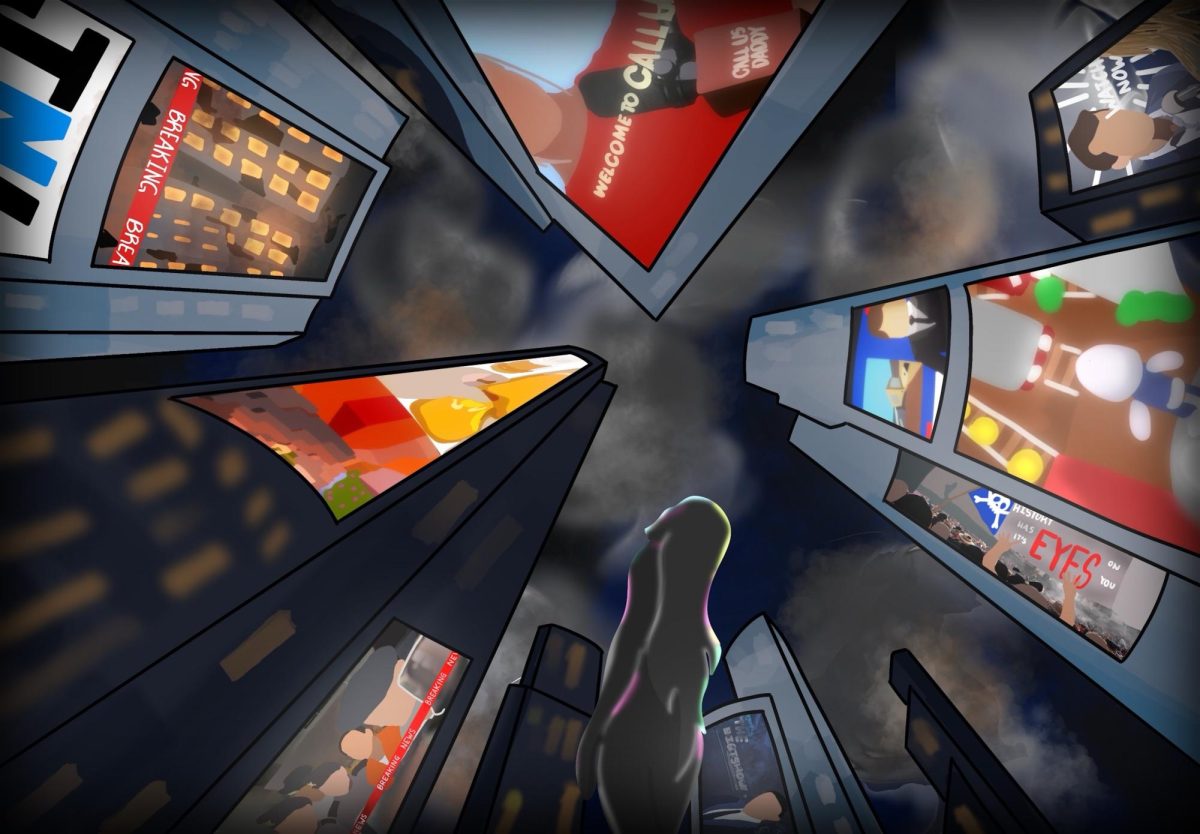
Hollywood continues to drag behind the present, inaccurate, and stereotypical portrayals of women. As these movies continue to illustrate the same one-dimensional female characters, they often become repetitive and blur together into a constant stream of inaccurate, negative archetypes.
In the present, there are few examples in Hollywood media that explore accurate and modern representations of female characters, in line with the shift in audience preferences and progress in gender equality worldwide.
As the gaps between realistic representations and Hollywood depictions widen, content featuring accurate female characters becomes increasingly crucial to ensure the healthy development of young girls in future generations.
By prioritizing the well-being and self-image of impressionable young audiences, entertainment can begin promoting healthier role models. In doing so, it may encourage future generations of young girls to develop identities grounded in authenticity and self-assurance.