


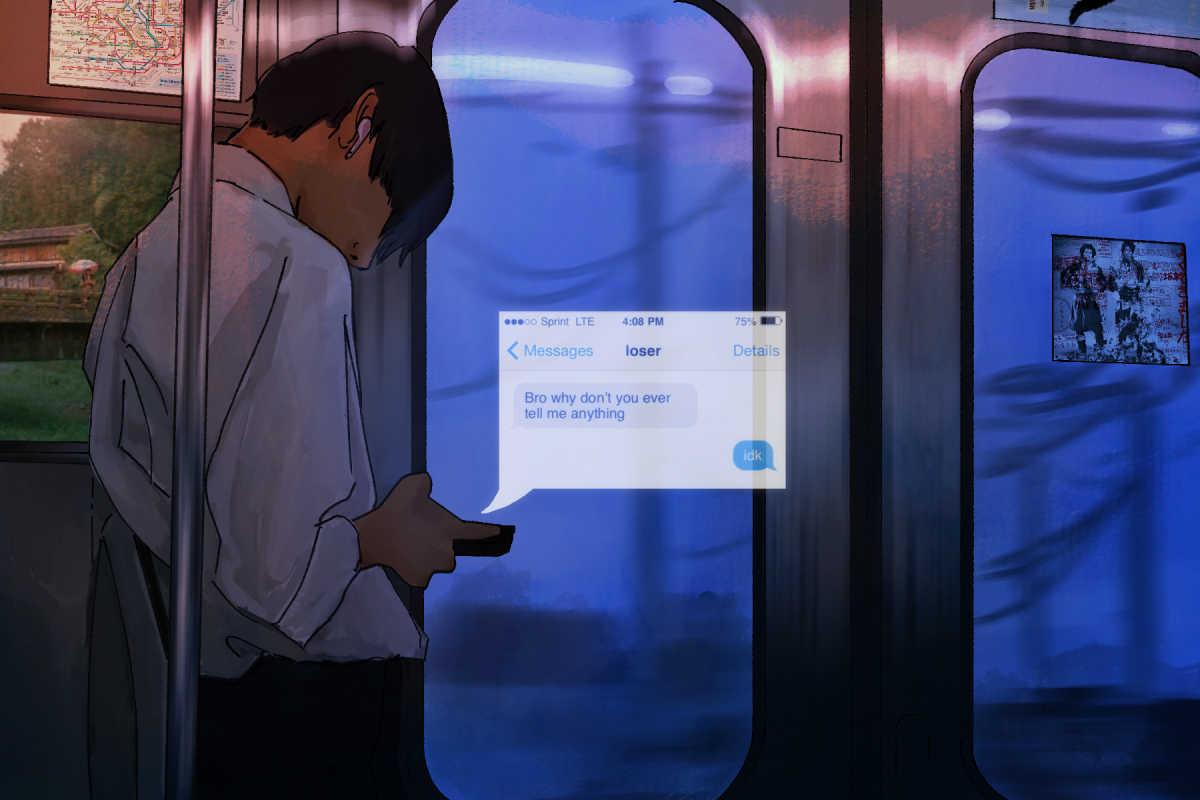
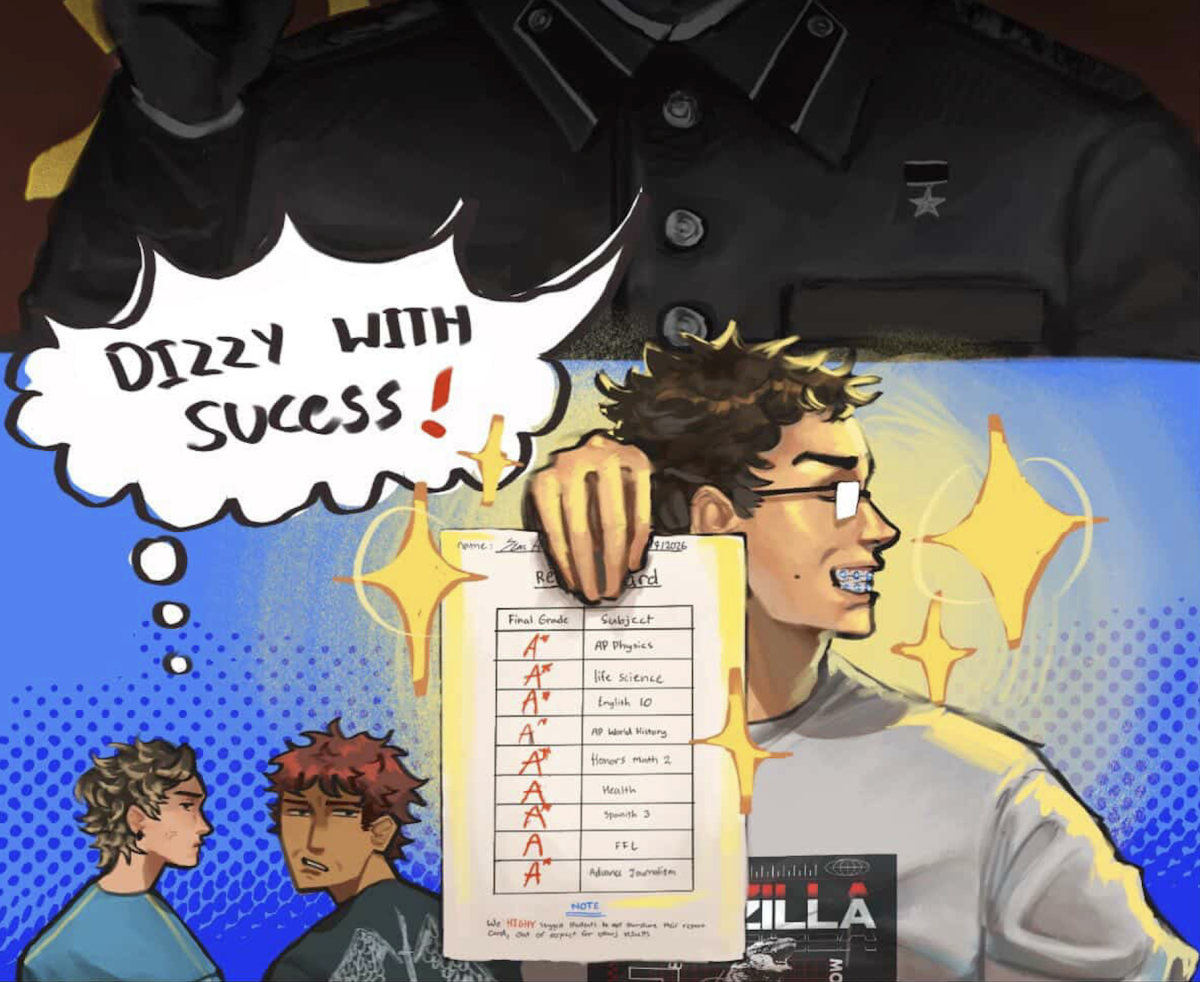



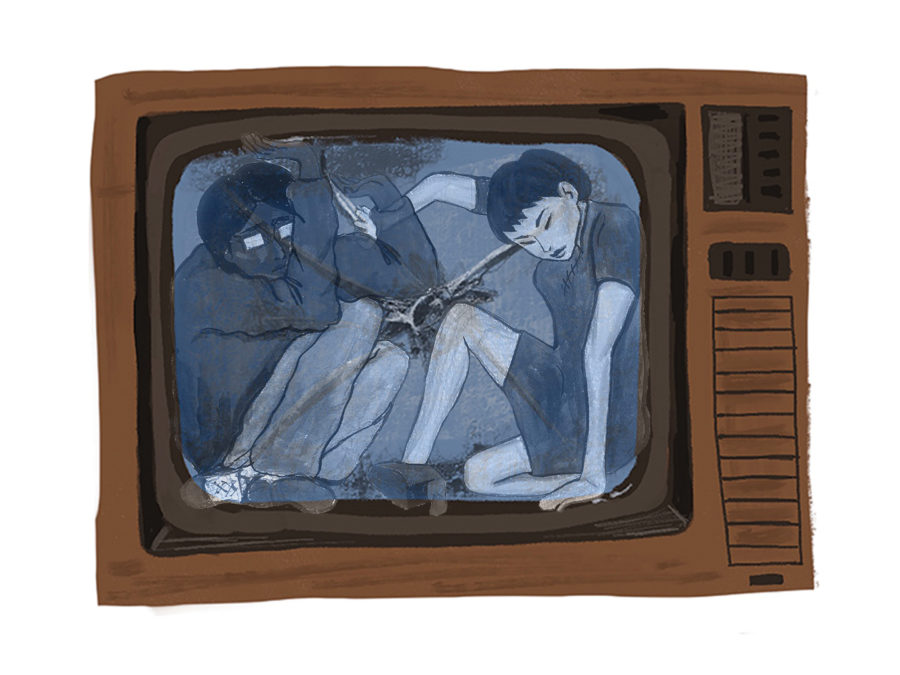



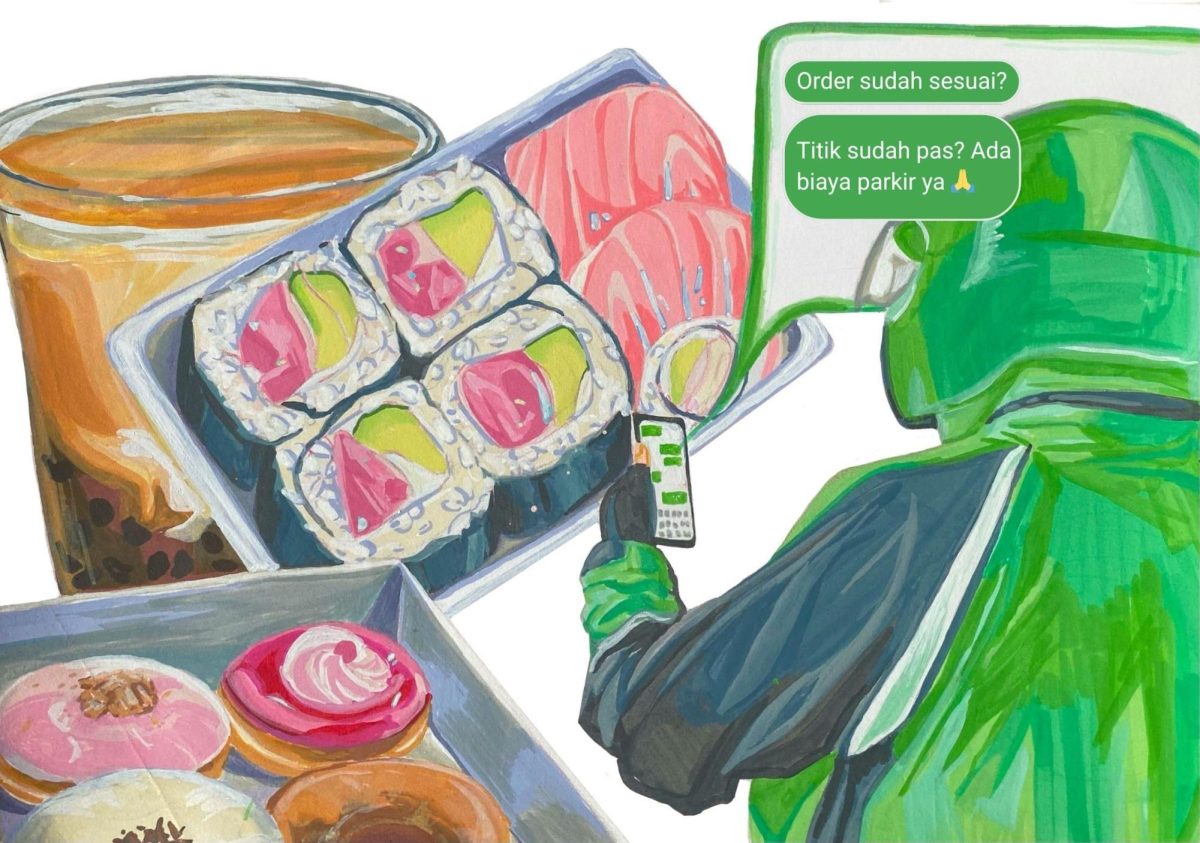
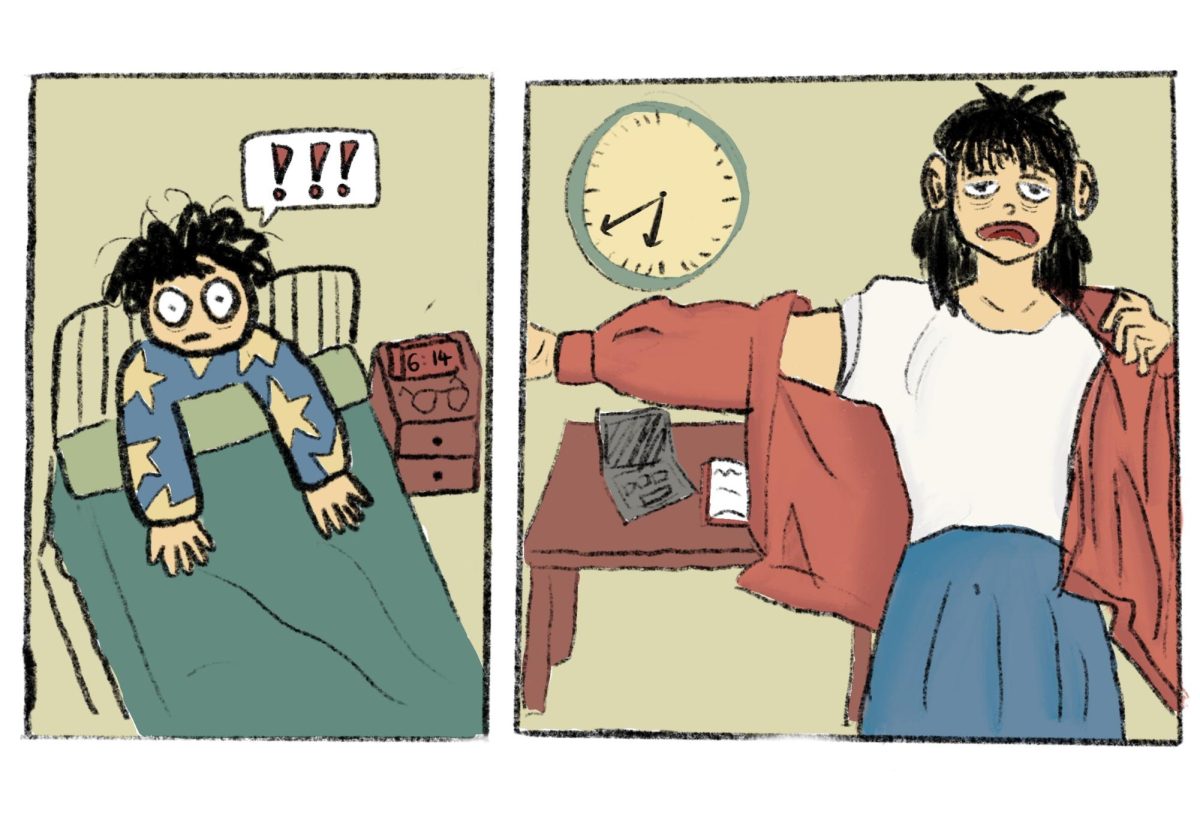




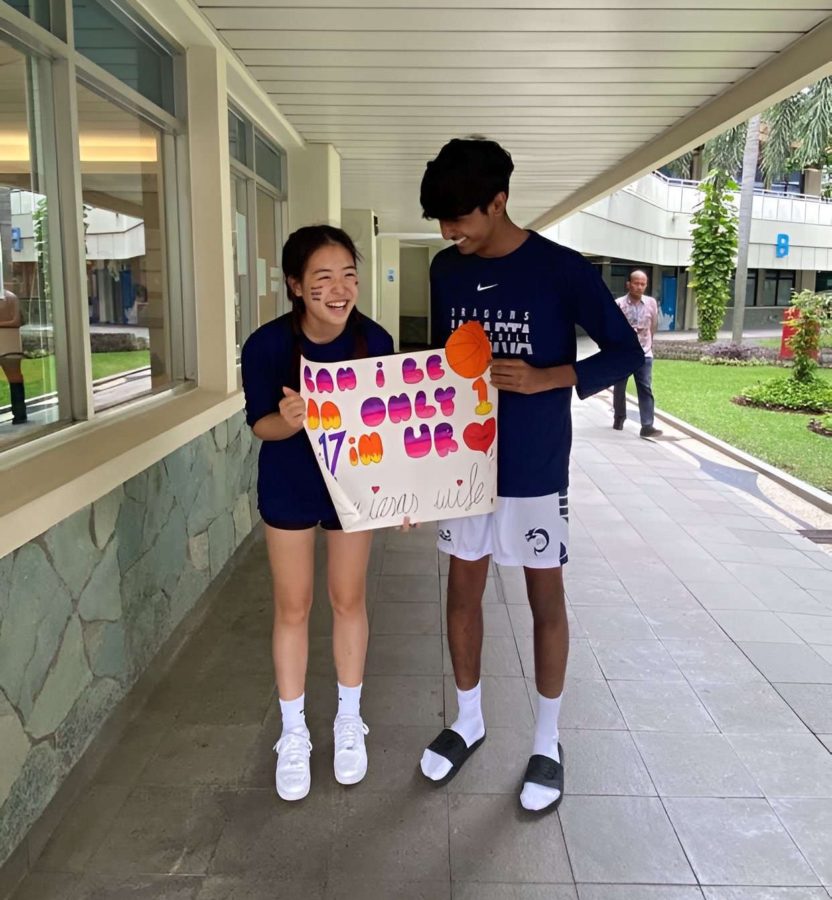

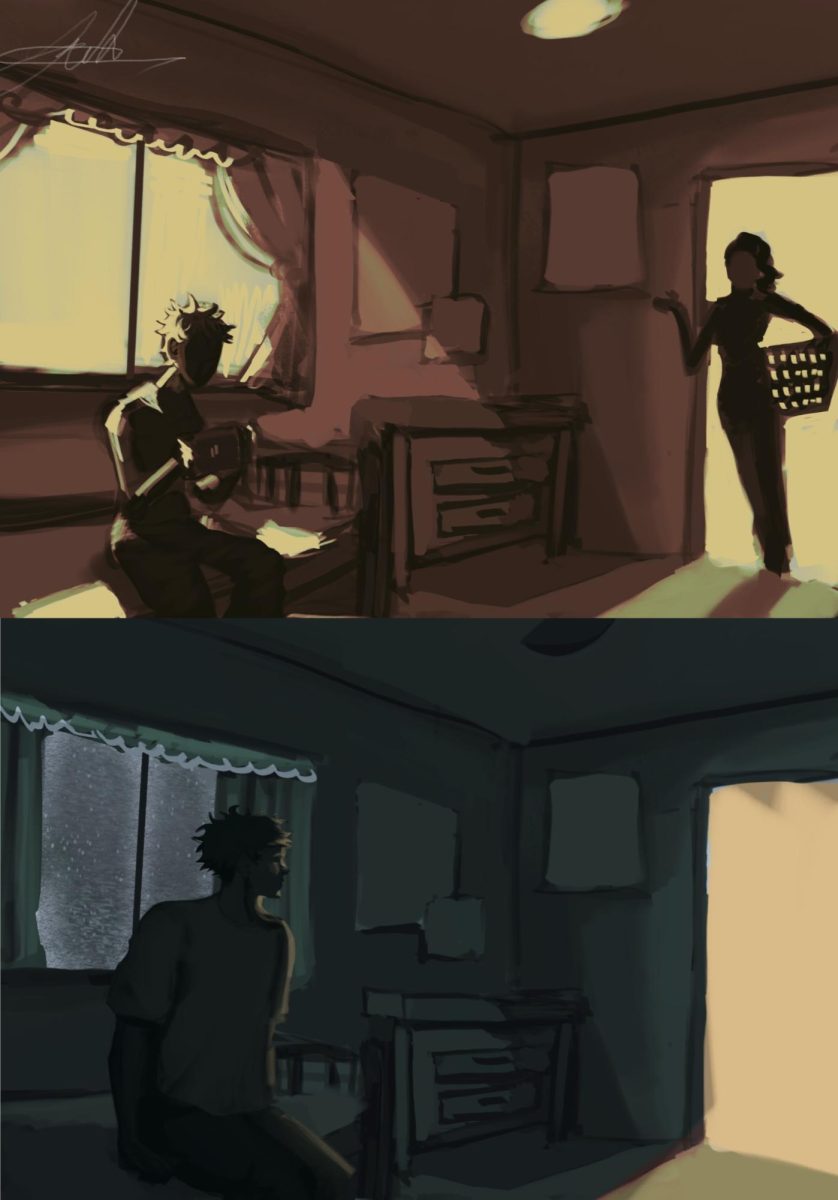



For seniors, the final semester of high school occupies an unusual position. Assignments feel less urgent, routines less binding, and school itself starts to register as something already completed rather than actively underway. This shift from vigorous pursuit of future goals to a period of prolonged waiting is frequently described by a familiar term: senioritis.
With major outcomes either already decided or soon to be, many seniors find themselves in a period shaped less by sustained effort than by waiting. The future begins to feel settled, while the present feels increasingly negotiable. Senioritis reflects a gradual shift in orientation—a shared recognition that the finish line has been crossed emotionally, if not yet institutionally.
The Origin of Senioritis
The term “senioritis” has circulated for decades, used informally to describe a decline in academic engagement near the end of high school. Over time, it has become familiar enough to appear in institutional and psychological contexts, including guidance materials from organizations such as the College Board and academic research databases. In these settings, senioritis is often framed as something to be managed or avoided, with emphasis placed on maintaining performance through the final stretch of school.
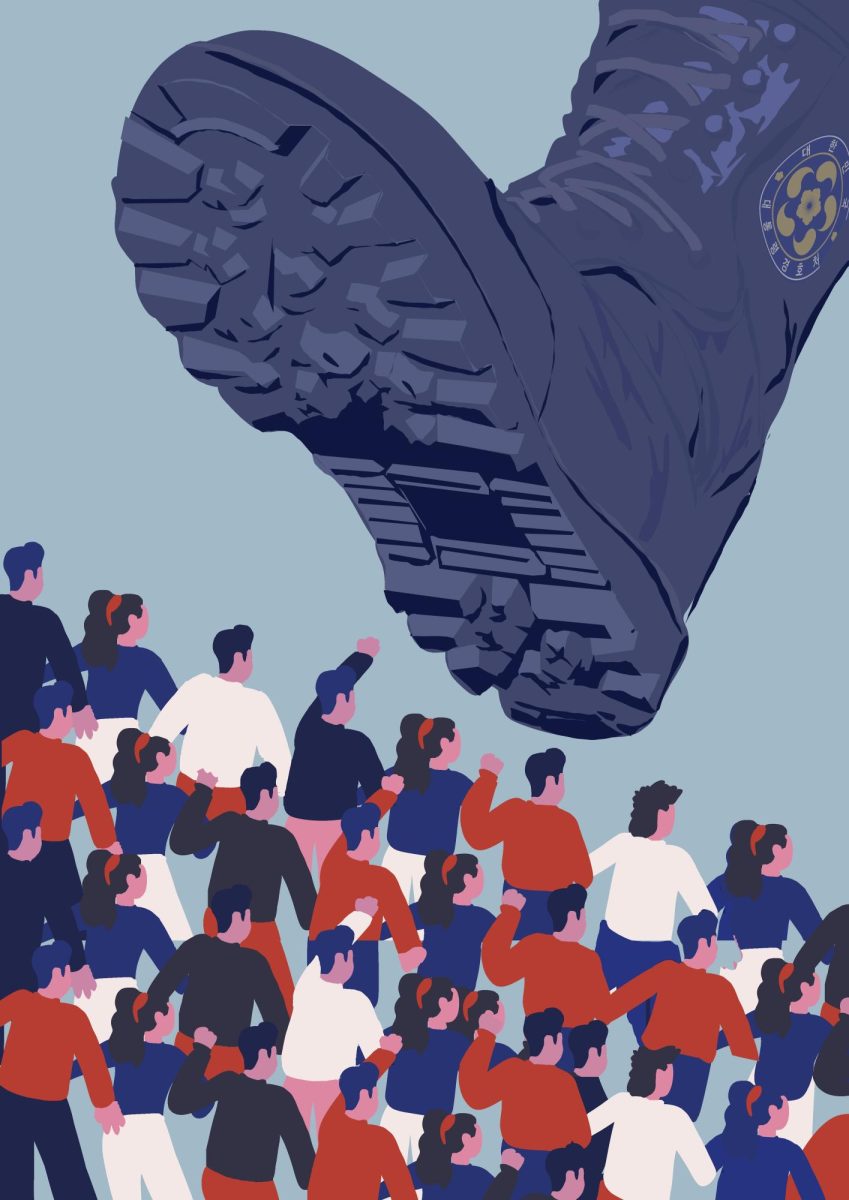
Psychologically, senioritis is commonly understood as a response to prolonged academic pressure followed by an abrupt release. Students spend years working toward long-term goals—grades, exams, university admissions—only to reach a point where those goals are largely resolved before daily responsibilities end. Motivation, once sustained by consequence and anticipation, becomes harder to maintain without a clear endpoint ahead.
While senioritis may be viewed as a lack of discipline or a lapse in motivation, the persistence of the term suggests otherwise. Its repeated appearance across contexts points to a recurring feature of academic transition. Senioritis emerges when systems continue to demand urgency even as students are mentally preparing to move on, making it not a syndrome to be cured, but a pattern worth examining.
How Seniors Feel It
Among the class of 2026, senioritis is widely, but not uniformly experienced. In our survey, over 55% of seniors reported to have experienced senioritis, and 66% had agreed that it stems from accumulated burnout. In contrast, only 33% strongly agreed that laziness is a major cause of senioritis.
This suggests that students themselves view senioritis less as the result of a habitual flaw, but more as the aftermath of sustained academic pressure.
Students also linked senioritis to the timing of university applications, with 44% of respondents strongly agreeing that the application process contributed to their feelings of unmotivation. As one student puts it, senioritis is felt after university applications as “it seems as though nothing matters after semester one.”
Even among those who still face academic demands of summatives, mock exams, and formal IB or AP exams, many described a noticeable drop in motivation after application submissions, followed by short periods of effort when deadlines approach.
Senioritis appears prominently in the final stretch of high school, where major deadlines have been accomplished but the formal endpoint of graduation has yet been reached.
The Reason Behind Senioritis
While it is easy to paint the reason behind senioritis as heightened laziness or a lack of motivation in the final semester of high school, it is often a result of accumulated stress, fear towards the next phase in life, and the relief from constant pressure.
Psychologists describe academic burnout as a common response to prolonged academic pressure, and can be reflected in the emotional exhaustion and disengagement that leads students to withdraw effort even when its still needed.
When experiencing sustained academic stress and heightened anxiety—especially after investing signficant effort over many years—burnout is bound to arise as senior year goes on. In this situation, stress and exhaustion serve as psychological pathways that wear down motivation, making it difficult to engage with schoolwork even when goals like graduation and maintaining good habits for college still matter.
Simultaneously, graduating high school marks the end of familiarity and routine for most, which may lead to increased fear and anxiety inhibiting ones ability to maintain motivation. Research on adolescence and transitions shows that major life changes can trigger anticipatory stress, where worries about the future combine with present responsibilities.
Developmental psychologist Jeffery Arnett describes this period as “emerging adulthood,” a stage marked by exploration but also uncertainty, which can intensify emotional stress when familiarity begins to fade away.
This reflects with common senior experiences where year-long pressure gradually shift towards a state where ongoing tasks begin to feel less intrinsically meaningful because the “long-term goals” have already been achieved emotionally. Rather than simply lacking discipline, senioritis may be a reflection of cumulative stress and a need for psychological rest after sustained academic demands.
Grades are still expected to be maintained, but exams such as the AP, as well as final year transcripts, often weigh less in determining college admissions. This circumstance, while not entirely permission to disengage, allows students some flexibility and lower stakes in their studies.
Post-COVID Effects
Another factor contributing to the senioritis experienced today is the COVID-19 pandemic. During online learning, academic life was compressed onto a thirteen-inch screen, where the line between school hours and home life was nonexistent, and the JIS campus no longer functioned as a physical boundary between studying and rest.
The return to in-person school forced students to fully dedicate their time and effort to being present learners: from physically attending classes to reviving the capacity for constant social interactions with peers and teachers. However, the pandemic’s lasting effects may have already disrupted many teens’ ability to sustain motivation. For current and recent seniors, this final period of school brings back memories of a time when disengagement was accompanied by less guilt.
Life in the In-Between
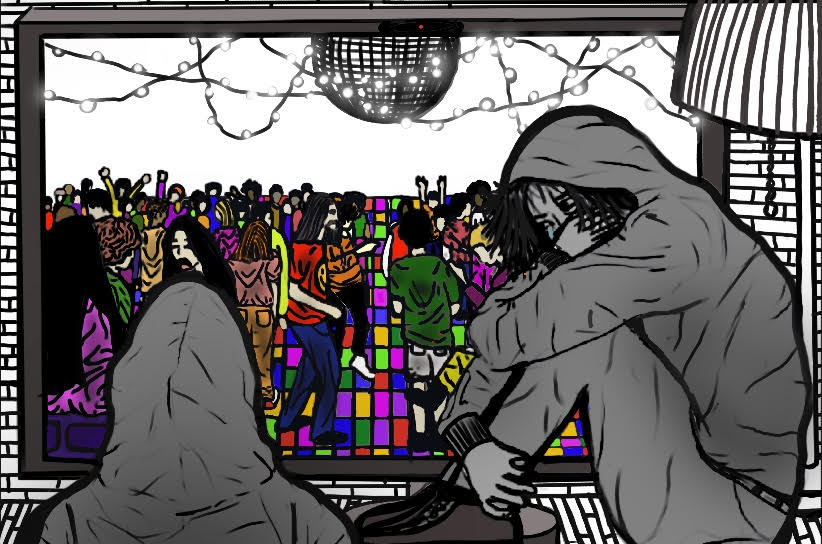
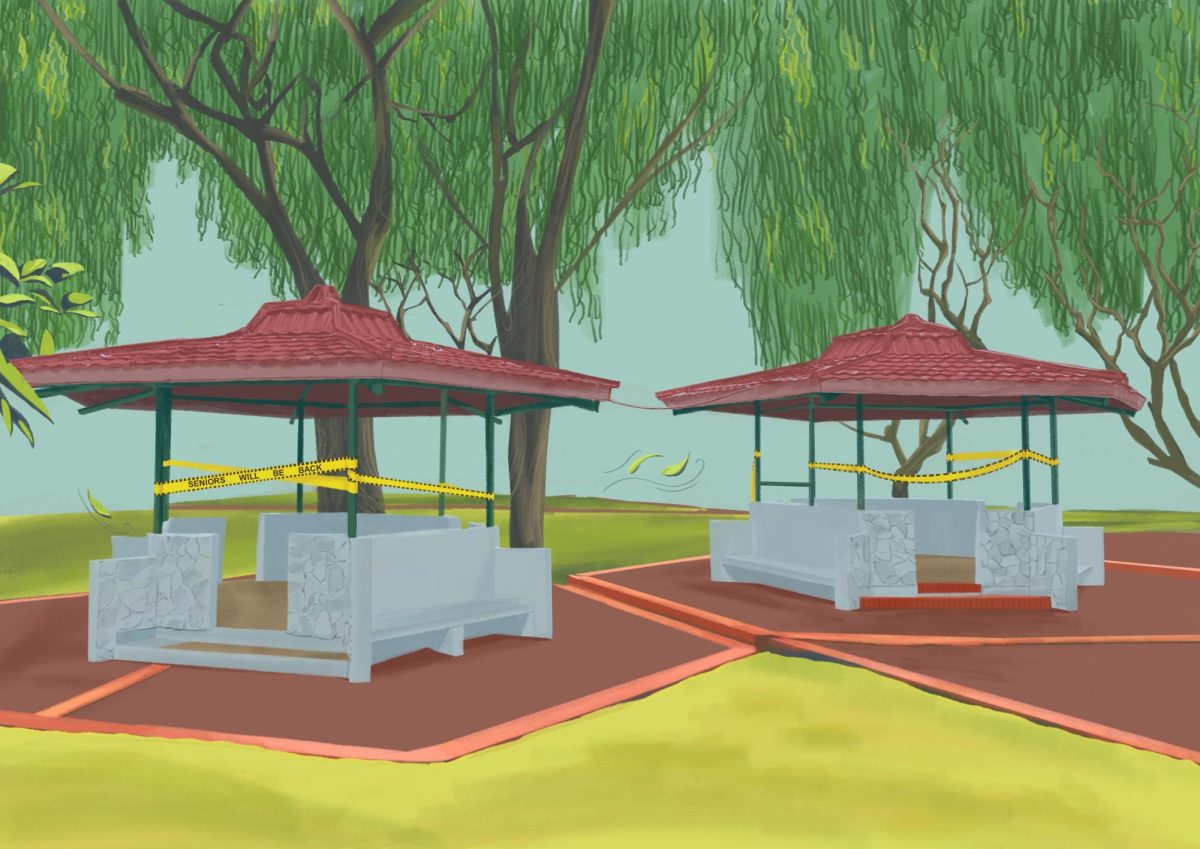
The final months of senior year often feel like a state of limbo. After the apply button is pressed but before caps are thrown in the air, seniors exist in an in-between space where the future feels close but not yet real, and the past is already beginning to slip away.
While the days are still structured by classes and summative deadlines, the long-term goal that once structured every decision has already passed its deadline before the start of the second semester. Thus what remains is a strange waiting period where the future feels really close yet still unreachable. There is this subtle urgency to make the most of the remaining time with friends, while academic tasks begin to feel strangely optional. In this in-between space, senioritis surfaces less as a loss of effort and more as the natural disorientation of standing halfway out the door.
Something to Fix—or Something to Finish?
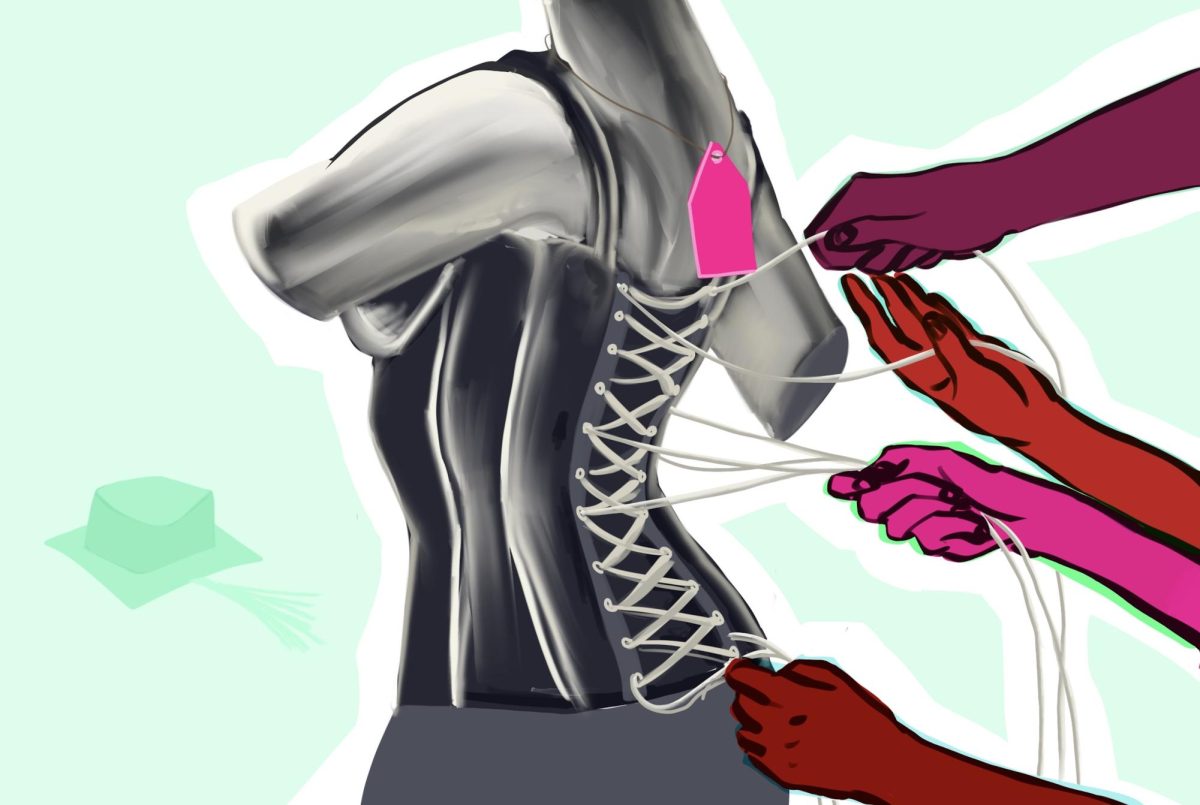
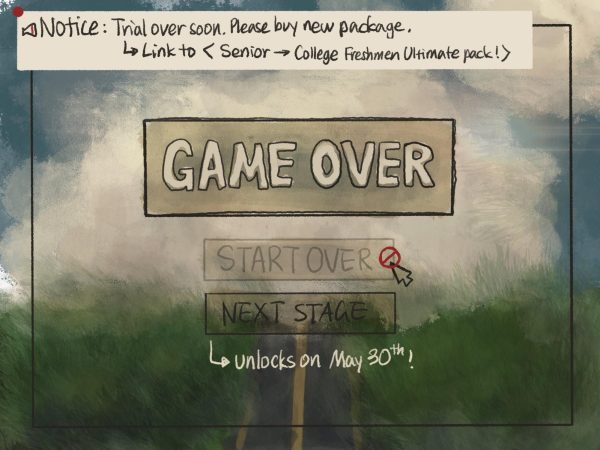
So, does senioritis need fixing? After all, countless sites online, including College Board—the central hub for AP students—have proposed a plethora of “remedies” to help seniors avoid this so-called syndrome. However, maybe the answer lies in questioning whether senioritis is actually a problem at all. For students who have spent years working towards a single moment—which is often reduced to confetti on a screen—the slowdown at the end may be less a lack of discipline and more of an indication that the system has finally reached its limit.
Seen this way, rather than solely as a flaw, senioritis can be viewed as a sign that priorities are shifting as the end approaches. It marks the time between all their effort for the past three-and-a-half years and the closure they will experience in May. A time to pause, reflect, and appreciate. Appreciate the friendships, routines, and moments that may feel ordinary now but will be nostalgic very soon.
Because before everything changes, there is value in slowing down and staying just a little longer even if that means doing a little bit less. And so, maybe senioritis is not something we need to overcome—just something we need to survive together, one skipped GLT at a time.