













At birthdays, concerts, and even casual lunches, there is always someone scrolling through their camera roll, zooming in on imperfections, deleting, retaking, and editing. The goal is always to get the perfect photo, whether that is in the right angle or the right pose. All in all, it is about looking for the “right” version of the moment. Somewhere between the first picture and the sixth retake, the moment itself begins to fade.
Much of this has to do with how our phones today make capturing memories effortless. With just clicks of a button, a high resolution image appears instantly. This convenience can pull us out of the moment itself. Instead of simply experiencing a moment, people feel the urge to refine it—chasing a more idealized version of the memory rather than fully living it as it is.
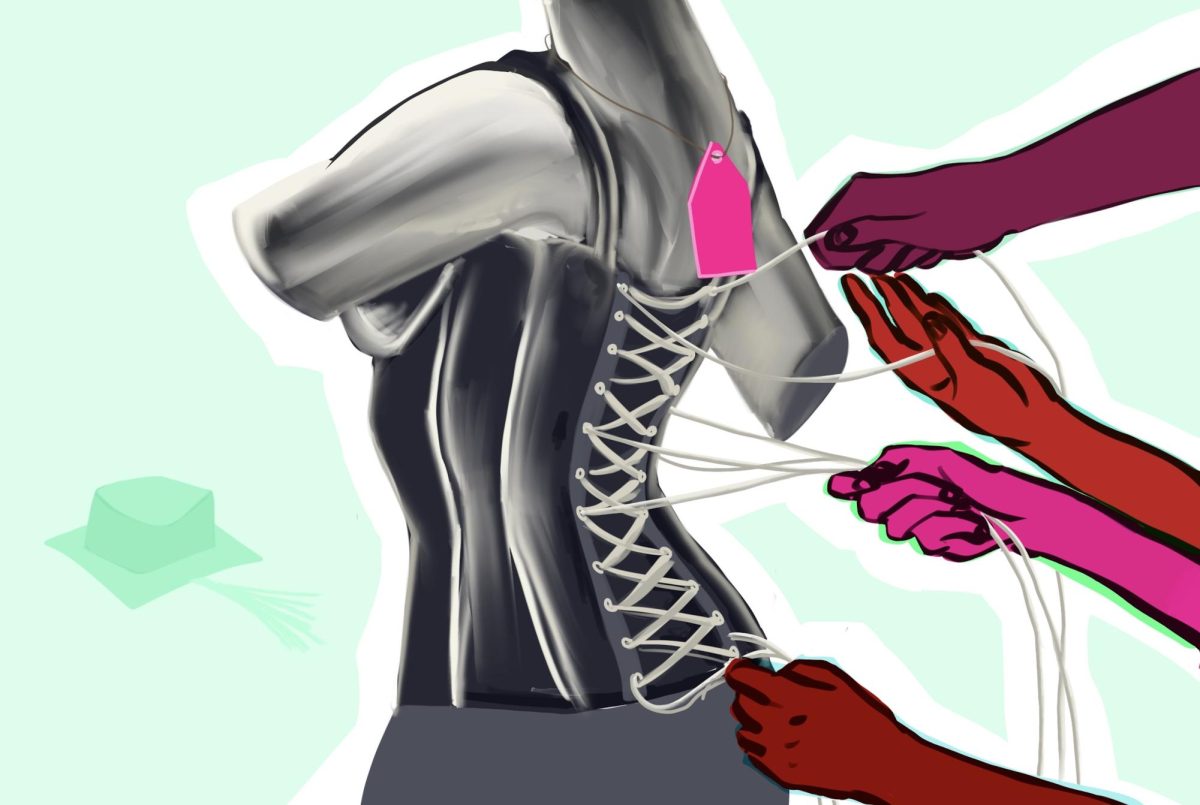
Over time, this constant documentation begins to change the meaning behind memories. When every second can be photographed, saved, filtered, and shared, they begin to feel less like unique experiences and more like things to perfect.
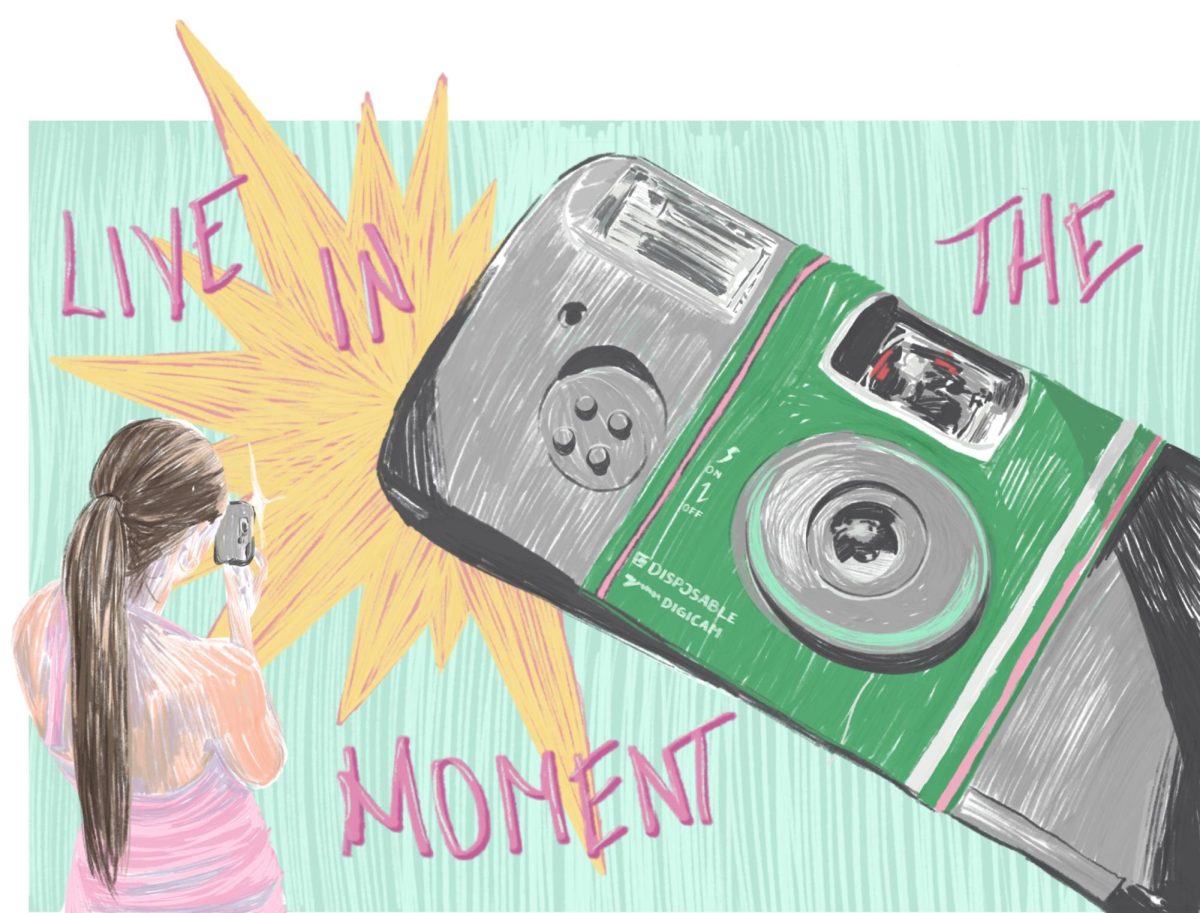
Today, phone cameras continue to improve, becoming sharper, faster, and more advanced each year. And yet, film cameras are quietly resurfacing. These include disposable cameras, which come pre-loaded with a fixed roll of film intended for one time use, as well as reusable film cameras that allow users to manually load and replace rolls. Unlike phones, both offer a limited number of shots and no instant preview. In a culture built on instant gratification, their return feels intentional.
Countering Perfection Culture
The strongest draw of film cameras is their “vintage” look, and this is apparent in our JIS community, where 100% of high school students surveyed noted the “vintage” look as a compelling factor. But this appeal is not just about aesthetics. It is rooted in a desire for authenticity. As one student put it, “[Film cameras] stand out more compared to the other photos you might have on your Instagram.”
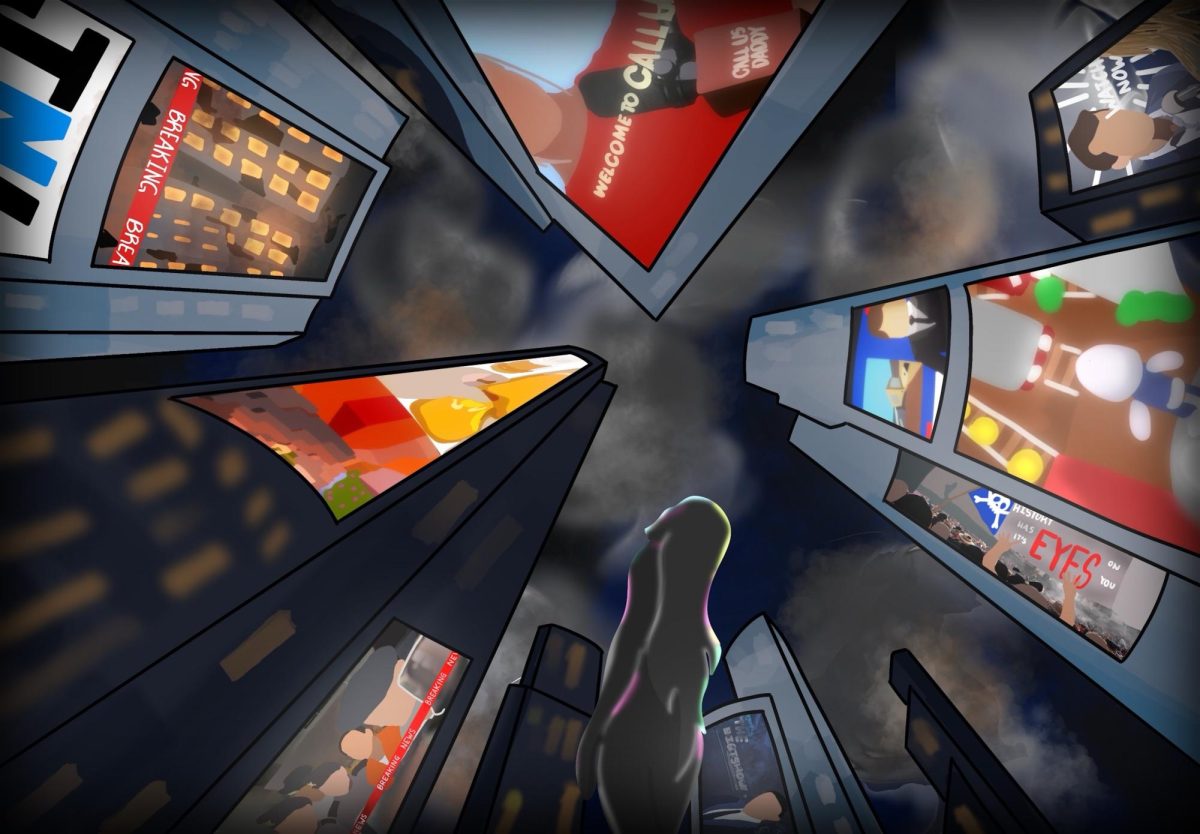
Photos today are hyper realistic—images are often extremely high resolution and edited until every detail looks perfect: skin is smoothed and lighting is corrected. While the results can look beautiful, they can also feel distant from the moment itself. Photos taken on film are different. Its grain and blur make each image feel less fabricated and more real, capturing what was there rather than what could be improved.
Another major appeal, according to student responses, is the inability to retake or edit photos. You cannot put on filters. You cannot choose “the shot” amongst 100 retakes. You cannot even see the photos until you get the roll developed. The lack of choice forces intention. Instead of taking pictures of everything, you start deciding what is worth capturing.
That shift matters in a culture obsessed with perfection. Phone cameras encourage constant self correction. You see the image immediately and instinctively evaluate it, deciding whether it is good enough to keep. With film, judgment is delayed. Imperfection is inevitable. And because it is inevitable, it becomes acceptable, and more than that, it becomes appreciated.
Living in the Moment
Waiting is another part of the film camera experience that feels unfamiliar today. With film, days, weeks or even months pass between taking the photo and seeing it. You are reminded of moments you forgot you photographed, ones that mattered without you realizing it at the time.
Film also changes how people behave while taking photos. Without a screen to review, there is less pressure to get the moment exactly right. Phones often turn moments into arranged posing, checking, retaking, repeating. When you are not thinking about how the photo looks, you are more likely to stay in the moment itself. One student reflected that “using a film camera allows me to take the picture and move on with the moment.”
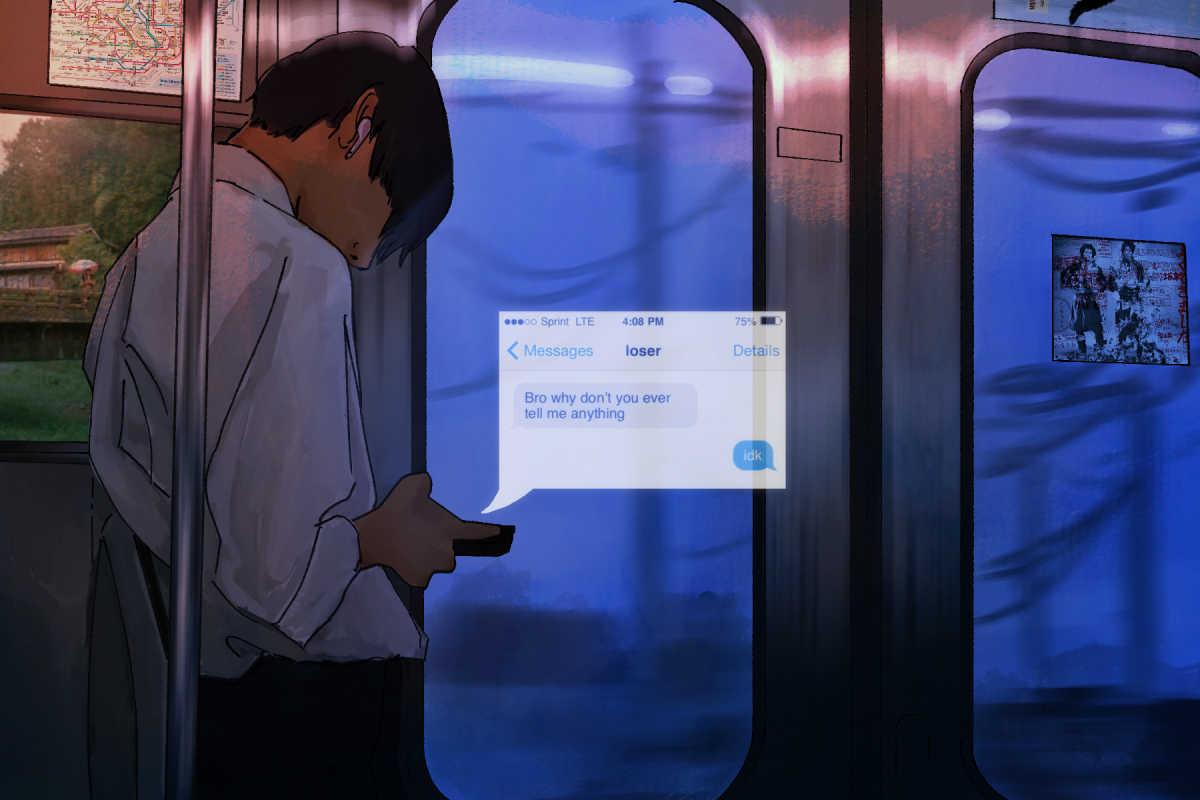
This difference connects closely to insecurity. Digital photography encourages comparison with not only other people, but with past and idealized versions of ourselves. Film cameras interrupt that cycle, because when you cannot see the image right away, you cannot immediately critique it. As another student shared, “I think that when taking a photo on the film camera you’re focusing more on the experience you’re capturing instead of what you look like.” The photo exists before judgment can overtake the memory, and you end up living in the moment rather than pretending to live the moment.
Drawbacks
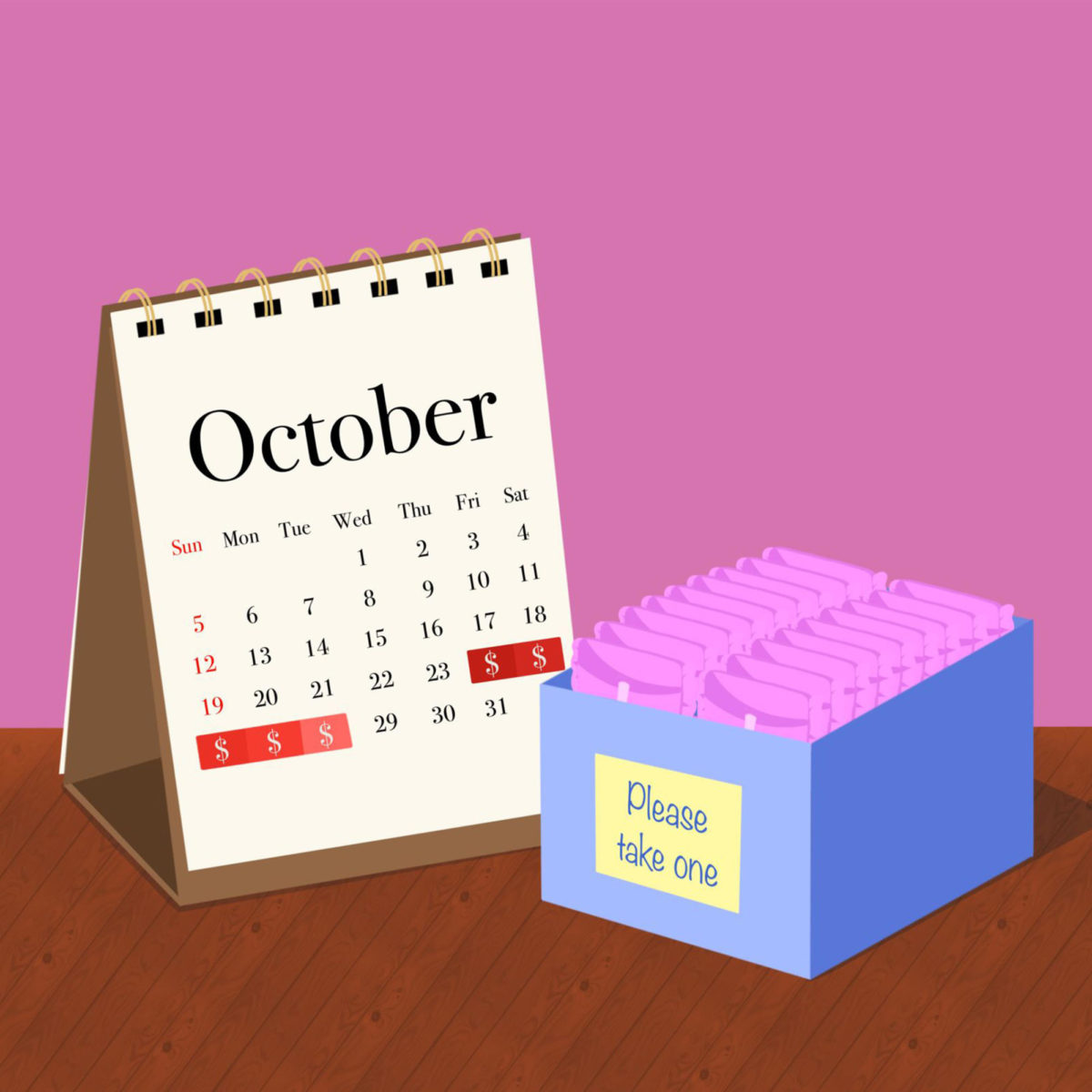
Of course, the comeback of film cameras is not without barriers. Survey responses also highlighted hesitations, the biggest one being the cost of film and/or development. Cost is noted as a discouraging factor for 60% of respondents who have not previously used a film camera. At the same time, interestingly many of the same qualities that make film cameras appealing to some students are what discourages others. The inability to retake or edit photos was noted as a discouraging factor for 40% of those who have not used a film camera. Additional concerns included the limited number of shots available and the need to wait before seeing the final images. Environmental concerns have also surfaced. Disposable cameras produce waste as they are intended for single use.
However, reusable film cameras and second-hand models have grown in popularity as more sustainable options. Alternatives such as Paper Shoot cameras provide a digital camera designed to mimic film. These doubts prove that film photography is not always convenient.
But for those who choose it, some of those very limitations are what give the experience its meaning.
More Than a Trend
The return of disposable cameras does not signal a rejection of phone cameras. Phones remain essential and practical tools. Instead, film exists as a counterbalance, offering restraint in a culture of excess. It asks us to slow down, accept uncertainty, and trust that a moment does not need to be perfected to be remembered.
When the photos finally come back, some are blurry. Some are poorly framed. Some missed the moment entirely. But they are real. Disposable cameras are returning because they ask something of us that is fading in today’s digital world: intention.
I still catch myself taking too many photos on my phone, chasing the perfect shot. But when I use a disposable camera, I hesitate, and in that hesitation, I remember why I wanted the photo in the first place: not to post a perfect picture, but to reminisce. Funnily, the photo I ended up posting from my 9th grade LEAD week trip was a disposable camera picture, meant to be a full frame picture of my friend and I jumping off a boat, but which ended up including only our feet.