






















Although names are formally bestowed at birth by parents, children still have the agency to choose how they are addressed, often opting for nicknames for various reasons.
How Social Life Shape Our Names
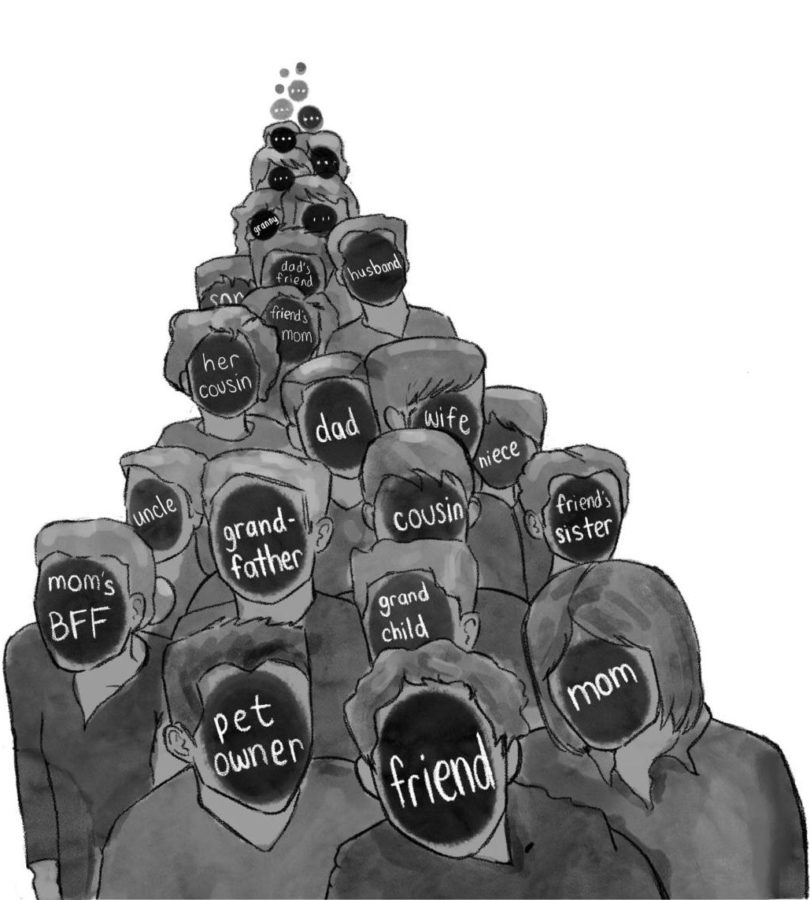
Informal forms of address often stem from interactions with others, especially those with friends and family. However, they tend to vary depending upon the closeness of a bond. A nickname used within a household may be childish but affectionate, while one used among friends could be based on humour or interpersonal dynamics.
Someone named “Walter” could be called “Walter Melon” by his friends, or “Ariana” may be humorously dubbed “Ariana Grande” in association to the pop diva.
Nicknames can also be built upon noticeable traits or habits. Some are tied to positive or recognizable qualities. For instance, a track star may be nicknamed “Flash,” or a student who excels academically could be called “Einstein.”
However, nicknames can also carry more negative connotations, such as “Airhead.”
Such nicknames imply how an individual is perceived within a group and over time affects self perception.
Nicknames Reserved for Home
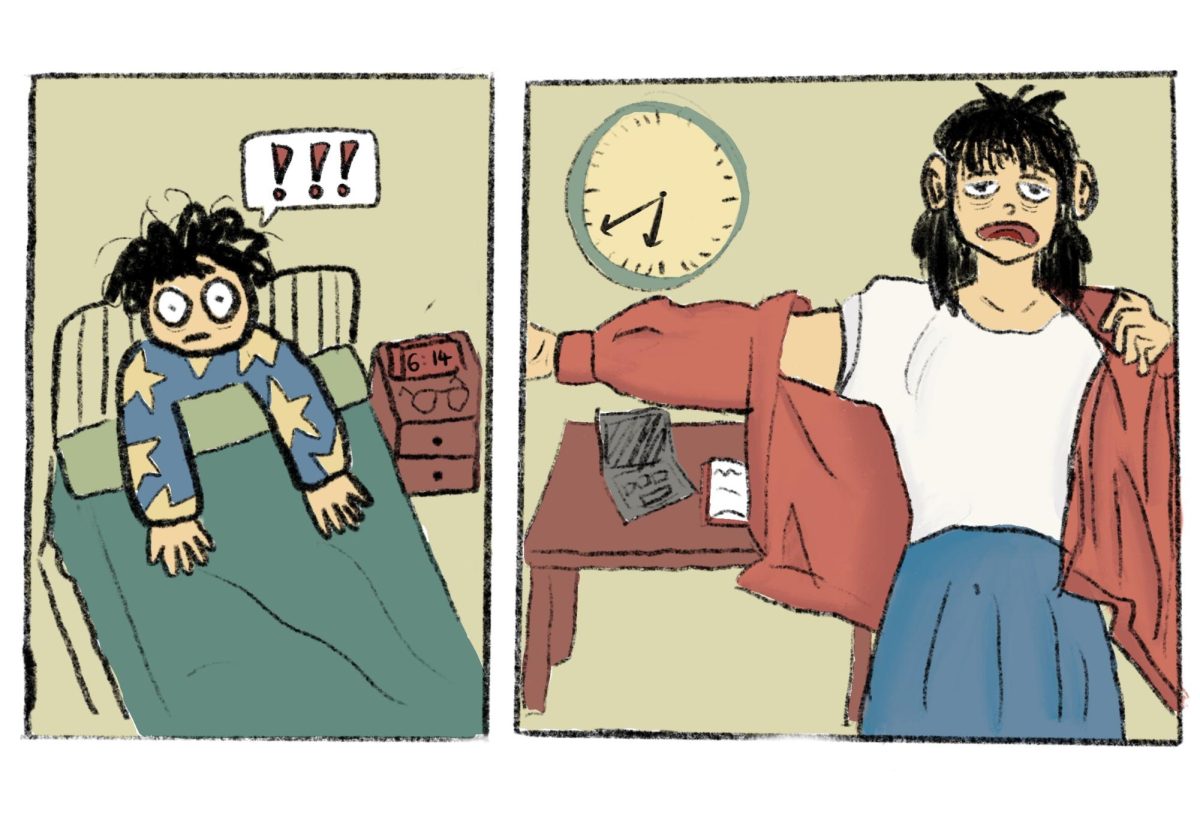
Within the walls of a home, nicknames bear meanings understood only by family members. Familial nicknames are recollections of who one once was, rooted from memories of those who watched them grow up. Such names may stem from a comical childhood mistakes or a peculiar habit that would never be revealed to the outside world. For example, a child who loved to snuggle may be nicknamed “Cuddle Bug,” whereas another known for their chubby cheeks growing up could be “Squishy Cheeks.”
However, as children grow older, familial nicknames can start to feel embarrassing, especially when used in public. Nicknames that are affectionately used by family members often appear awkward or overly personal when spoken around friends or in public settings. The publicized use of nicknames can cause uneasiness, often due to the sort of nickname used. As explained by linguists Brown and Levinson, in their sociolinguistic research published by Cambridge University Press, forms of address convey significant social value and are expected to fit the level of formality and relationship within a given context. Thus, terms that are generally reserved for close familial relationships can feel socially inappropriate when used in more public contexts, especially for teenagers.
While this is customary within the privacy of a home, it can appear improper or uncomfortable in public, since it displays a degree of vulnerability adolescents might prefer not to exhibit in front of others.
According to a sociolinguistics study at Cardiff University by researcher Coupland, adolescence is a stage when social perception becomes increasingly relevant. Thus, being addressed with overly affectionate or childish terms can draw unwanted attention and infantilize the individual.
To manage discomfort, individuals often set boundaries regarding how they are addressed in different situations. Some may advise family members to refrain from using specific nicknames in public, while others gradually transition to more neutral or socially suitable forms of referral. Sociolinguists have long claimed that forms of address are influenced by what influential linguist Goffman refers to as the urge to keep “personal face,” or public self perception. In public settings, adolescents are more mindful of how they are regarded, thus they may avoid language that portrays them as overly dependent.
Nicknames are influenced by the closeness of connections and how individuals preserve their social image in various settings. Ultimately, familial nicknames express the tension between private affection and public perception, thus demonstrating how individuals navigate how they are addressed as they move between public and private environments.
Across Tongues and Traditions
Nicknames vary vastly across cultures, and their implications are deeply molded by the cultural norms and social attitudes of every distinct society. Specifically, terms of endearment express how different cultural groups perceive individuality and interpersonal dynamics.
For instance, Latin Americans often refer to their boyfriend or girlfriend as gordo, which literally translates to “chubby.” As noted by Speaking Latino, a Spanish-language learning source, this term is ironically still used even if their partner is physically slim. In this sense, gordo is used as a cultural expression of endearment, despite its negative literal denotation.
In contrast, Western cultures frequently address their romantic partners using terms with sweet connotations, such as “honey” or “buttercup.” Thus, Western communities display affection more symbolically.
In Thailand, nicknames bear no relation to formal names. According to ThaiPod, a cultural website, Thai nicknames are chosen by parents at birth–historically to confuse evil spirits, now to simplify long Sanskrit-derived official names. For instance, a boy named Kittisak Rattanakosin may be given the nickname Chang, meaning “elephant,” a name often associated with strength and good health.
Indonesia shortens affectionate terms such as sayang, which means “love” or “dear,” into forms like yang or ayang. As reported by local Indonesian newspaper IDN Times, although the variations are derived from the same word, ayang is considered a more modern and playful version, often used by younger generations in online communication. Moreover, yang is used more casually in everyday interactions.
Overall, nicknames express underlying cultural values and ways of relating to others. Terms convey the various, diverse ways in which distinct societies express affection and construct individuality.
Beyond the Nickname
In conclusion, nicknames are profoundly rooted in how individuals develop and express their identities in social, familial and cultural settings. Within social groups, labels reveal how people are perceived and positioned among their peers. In familial settings, nicknames preserve memories unique to each household. Across cultures, nicknames embody social values and relational norms. Ultimately, the use of nicknames reflects the evolving relationship between identity and language. It demonstrates how individuals are continuously shaped by the ways they are addressed and perceived by others.