



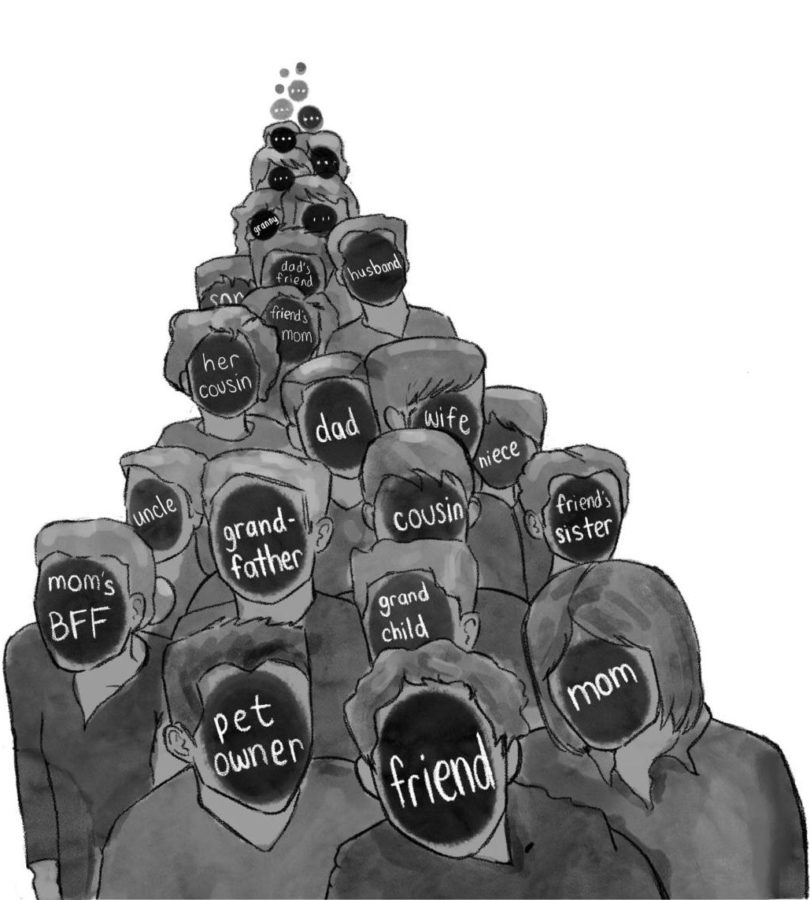
























There is a common misunderstanding about what it takes to truly love someone. Many of us grow up believing that physical presence is the most important part of sustaining relationships. Proximity is often interpreted as an act of care or empathy, while distance is quickly seen as emotional absence. Yet, this belief overlooks the deeper elements required to sustain a genuine connection. This assumption appears across many types of relationships, from romantic to familial. As a result, relationships may appear seamless on the surface even when an essential element is missing.
Misreading Presence
To better understand the prevalence of this misconception, it is important to distinguish between physical and emotional presence. The Justia Legal Dictionary defines physical presence as “an actual location where an individual is present.” Emotional presence, by contrast, refers to a “willingness to be both mental and emotional attentive”—setting aside distractions, listening closely, and seeking to understand someone. These qualities, which often distinguish simple closeness from genuine presence, can be deeply felt even when they are not always visible.
Where the Misconception Begins
This way of thinking does not just appear on its own. Through exposure to overly empathetic behaviors, cultural expectations, and media influence, physical presence can be easily misinterpreted as genuine care.
One major reason lies in our tendency to trust what is immediately visible. Actions such as words of affirmation or physical touch are commonly used to measure care and attention. By contrast, emotional effort—such as listening attentively or offering thoughtful understanding—can go unnoticed because these forms of support do not always produce immediate or visible impact.
Cultural norms also play a significant role in shaping how care and presence are expressed and interpreted. In many Asian cultures, care is often conveyed through indirect ways, such as providing opportunities, maintaining discipline, or offering consistent support rather than overt emotional display. Emotional presence may be demonstrated through commitment and responsibility rather than explicitly stated through words.
In contrast, many Western societies tend to emphasize emotional openness and communication as important expressions of love. Such instances include approval of dating from a young age, sleeping over at a friend’s house, and many more. Feelings are more likely to be discussed, named, and expressed directly.
These differing norms do not suggest that one culture values emotional care more than another. Instead, they illustrate how cultural expectations shape—and sometimes distort—the ways emotional presence is recognized. Across cultural contexts, physical closeness is often treated as a visible sign of care. Yet, when visibility alone defines connection, deeper emotional needs may remain unspoken and unmet.
The Media Mirror
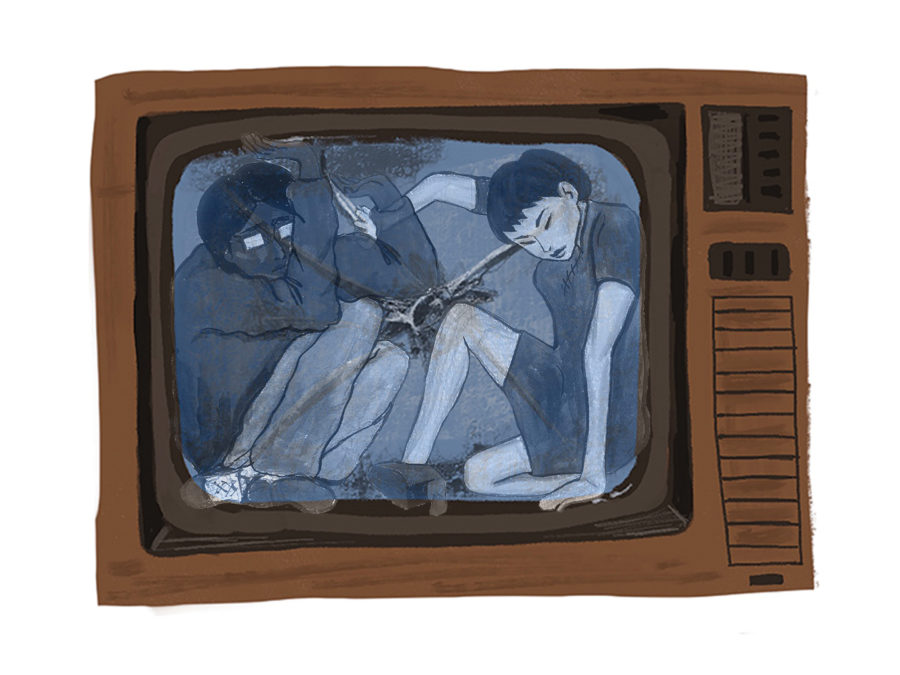
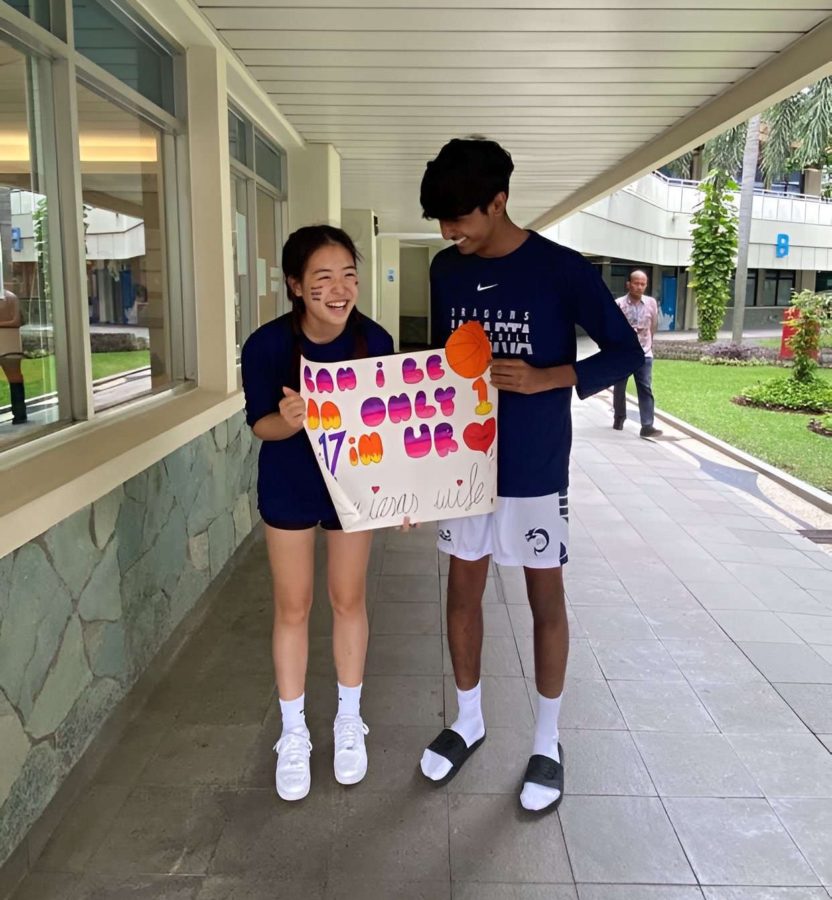
Social media also plays a significant role in reinforcing this misconception. On platforms such as Instagram and TikTok, closeness is often portrayed through frequent hangouts, matching outfits, or public posts celebrating one another. These visible moments are easy to display and easy to praise. However, short-form content rarely captures the less visible aspects of emotional presence—for example, listening without interrupting, sitting through uncomfortable conversations, or supporting someone privately during difficult times. Over time, repeated exposure to these curated moments shapes external expectations, making it appear as though spending time together frequently is the same as being emotionally connected, when in reality, meaningful support requires far more than visibility.
What True Presence Means
Relationships may appear stable from the outside, yet the people within them can still feel unseen and distant. The essential elements of genuine connection—attentive listening, empathy, and mutual understanding—are easily overlooked when physical presence is treated as the primary sign of love. True presence should be shaped by intention and emotional effort rather than by visibility or proximity. It involves offering thoughtful responses, remaining emotionally engaged, and staying present even in moments of discomfort. When understood this way, connection becomes less about how often someone is around and more about the emotional impact they leave. Simply being near someone means very little if, deep down, they still feel alone.