






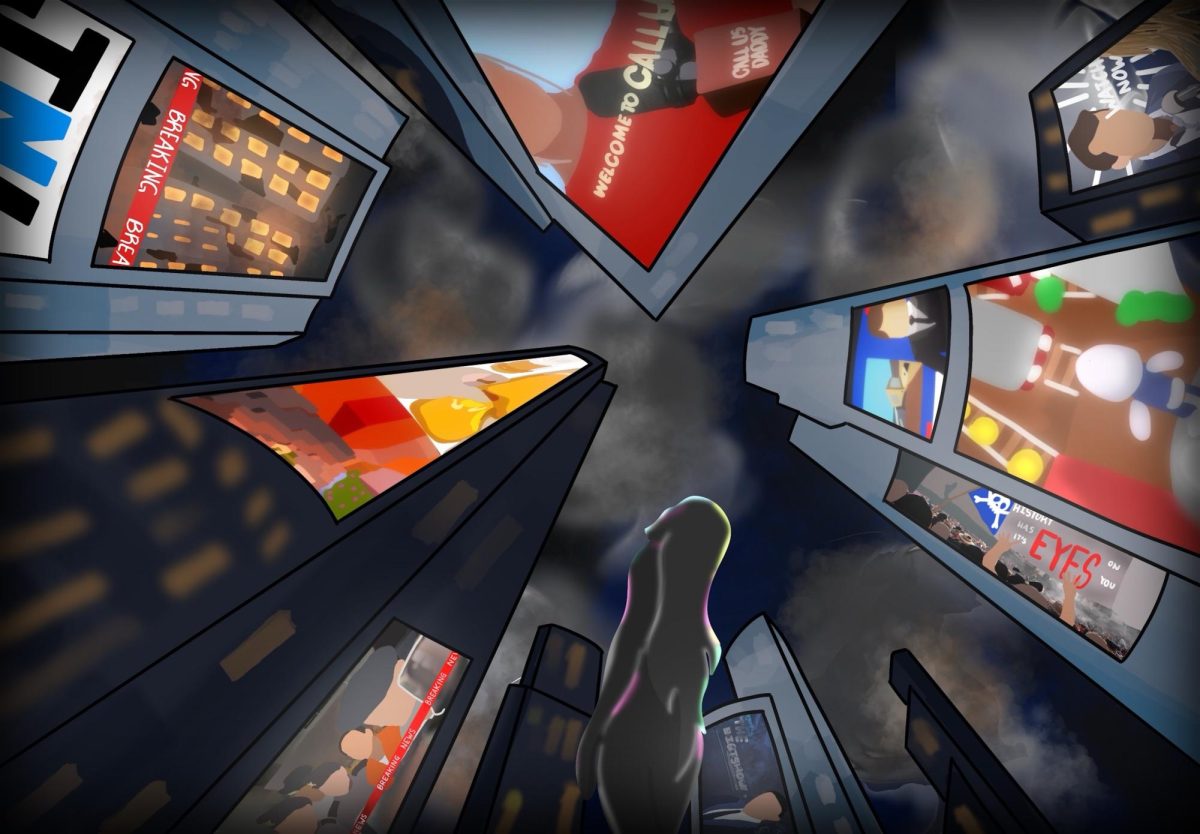


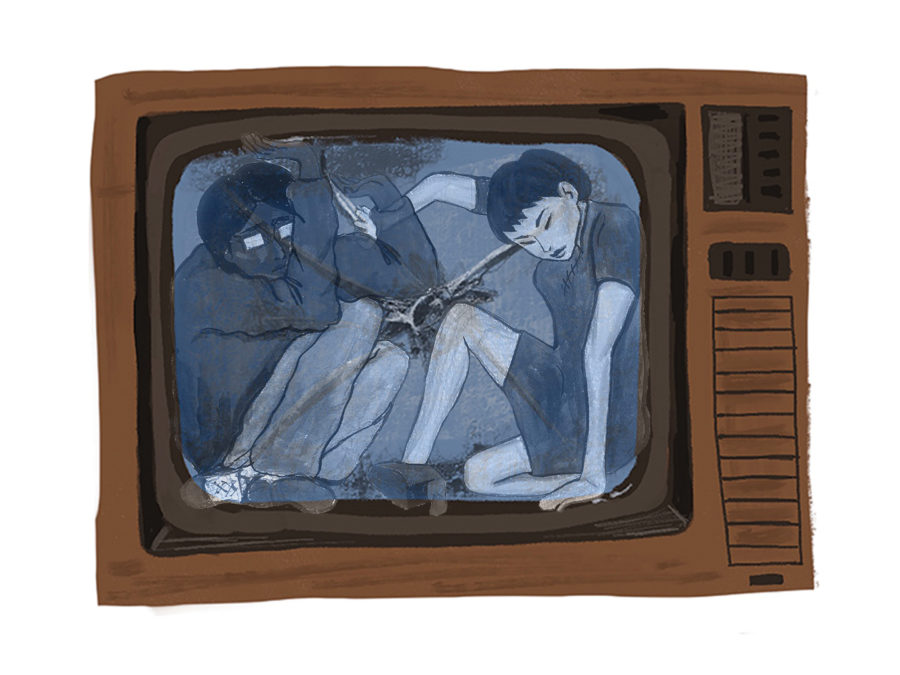
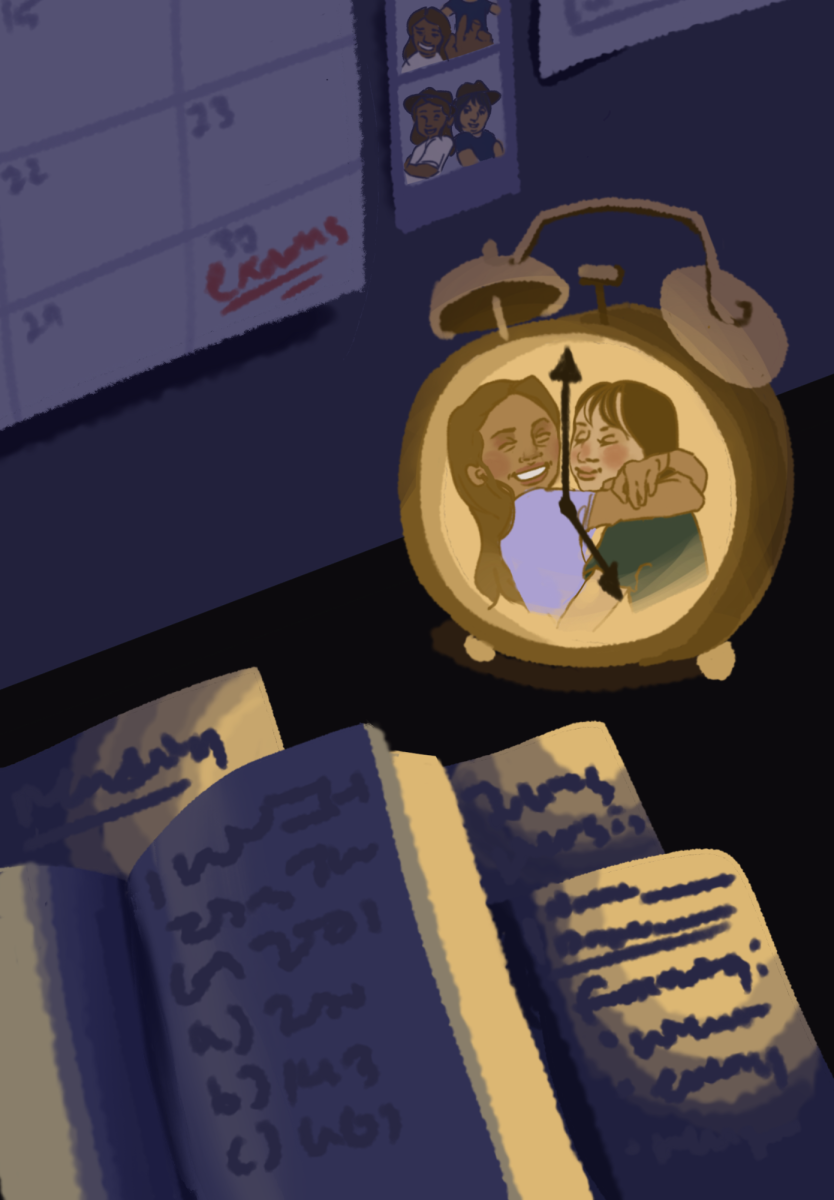
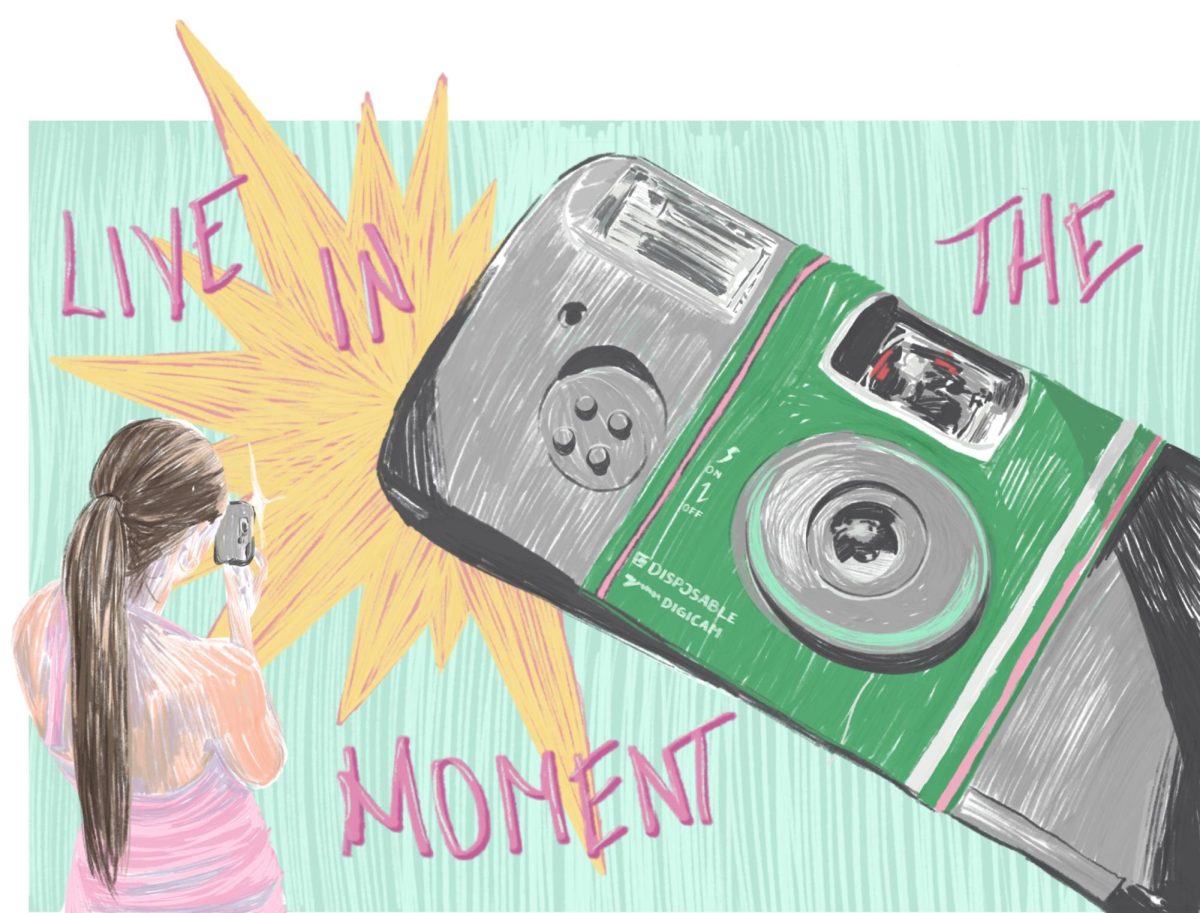







It is impossible to capture the full brilliance of love. It is not just a feeling or an experience; it is everything. It is meant to take your hand unconditionally, to lie beside you in an unspoken yet unmistakable, raw acceptance of all that you are. It is knowing where someone stands without searching for meaning in scarce ground; it is showing up even in the face of inconvenience.
At our core, no matter how we outwardly express ourselves, we all innately crave the same human longings: to feel secure, to feel valued, and to be chosen. The world is unpredictable, yet unlike everything else, the desire for love is timeless.
Instead, what changes is the way we interpret love. Love is no longer embraced with the same warmth and purpose: the courage of asking someone out, the consideration of planning sincere time together, or the clarity of openly putting a name to interest. It is inferred from small signals, patterns, and confusion.
When we shift gears into the modern world, “relationships” often begin differently. Instead of love emerging from sweet conversations, noticeable sparks, and the intention to create something really meaningful, it begins with a simple “____ added you on Snap.”
With over 900 million monthly users, Snapchat has become a central means of communication, particularly among teenagers. As communication becomes convenient, connections begin to feel easier, but not necessarily deeper. Expressing interest becomes a simpler process. Yet, in this pursuit, simplicity becomes superficial– stripped from the very foundations we crave: unconditionality, security, and devotion. The complexities and nuances of how love can be expressed have been reduced to something trivial, prompting the question: What exactly about this app keeps us so enticed?
The unique features of Snapchat—disappearing messages, Snap streaks, Best Friends lists, location sharing, and Snapchat+—turned what should be thoughtful connection into a game of affection. Every snap becomes a move to read, the Best Friends List becomes an unspoken leaderboard, snap streaks stand for tokens of consistency, and Snapchat+ becomes a code to cheat the rules. Attention and care are no longer tenderly given; they must be earned through playing the game. And, the reward— to be seen, cared for, chosen, and loved— is exactly what has made the game so irresistible.
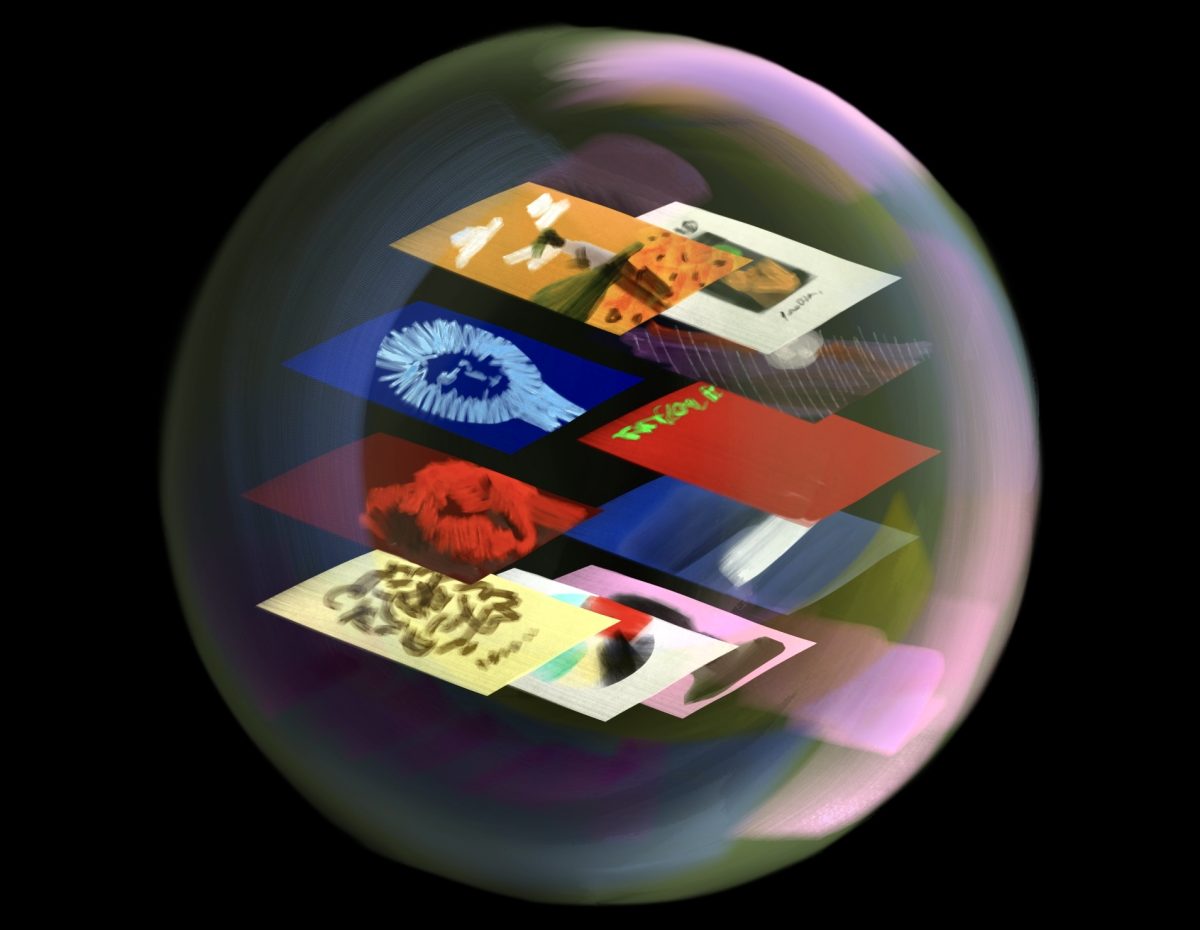
One distinctive feature of Snapchat is its vanishing messages. By default, chats are set to disappear 24 hours after they are sent unless deliberately saved. Although meant to offer privacy and confidentiality, when communication is designed to disappear, impermanence subconsciously becomes the standard. Interest no longer builds on sustained conversations, but on the implicit awareness that nothing is expected to last, and love is treated no differently. Within this environment, ghosting—the act of suddenly ending all communication without explanation— becomes effortless. Disengagement demands no explanation or confrontation, allowing people to leave without ever facing emotional consequences. When affection operates like a game, pressing the “exit button” is just another move. Absence leaves no visible trace, and accountability nevertheless fades.
Another defining feature of Snapchat is Snap streaks— a consecutive counter that tracks how many days two people exchange snaps. At first glance, streaks are casual and playful, but within the context of love, are often interpreted as a sign of commitment and continuity. Affection is sustained through routine rather than sincere conversation. Routine that requires no more than photos of walls and half-framed face snaps. Snap streaks incentivize connection and reward consistency over intention, keeping individuals connected without the guarantee of emotional reassurance. Mass snapping—the practice of sending the same snap to many people at once—further emphasizes the loss of intimacy and perpetuates simple habits. Streaks are merely another part of the game: reinforcing practice and play. Breaking streaks is a move interpreted as disinterest, neglect, and withdrawal. Love is no longer something delicate and intentional. It is monitored, measured, and timed.
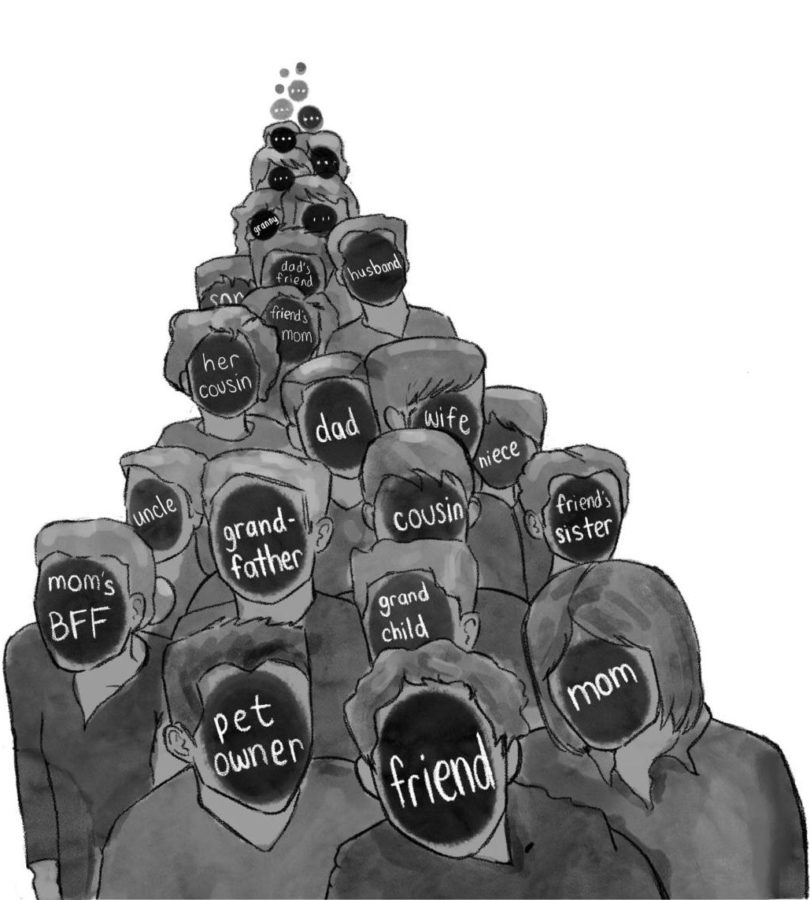
One other unique feature of Snapchat is the Best Friends List– a numerical ranking of the top eight people interacted with the most, marked with special emojis for mutual number one best friends. In the context of love and connection, ranking highly on this list signifies importance, priority, and attraction— almost like a leaderboard in the game. As a result, people tend to alter their texting behavior: faster replies, sending more snaps, or withdrawing attention elsewhere— not to express care, but to preserve a position on the hierarchy of love.
The presence of a mutual number one emoji intensifies this dynamic by suggesting deeper romantic interest; yellow, red, and pink hearts function as tokens that show how long two users remain first on each other’s list. These emojis turn closeness and devotion into superficial reassurance and hold inauthentic emotional weight. Best Friends Lists have conditioned us to believe that love can be proven by placement rather than adorned and held tightly in confidence.
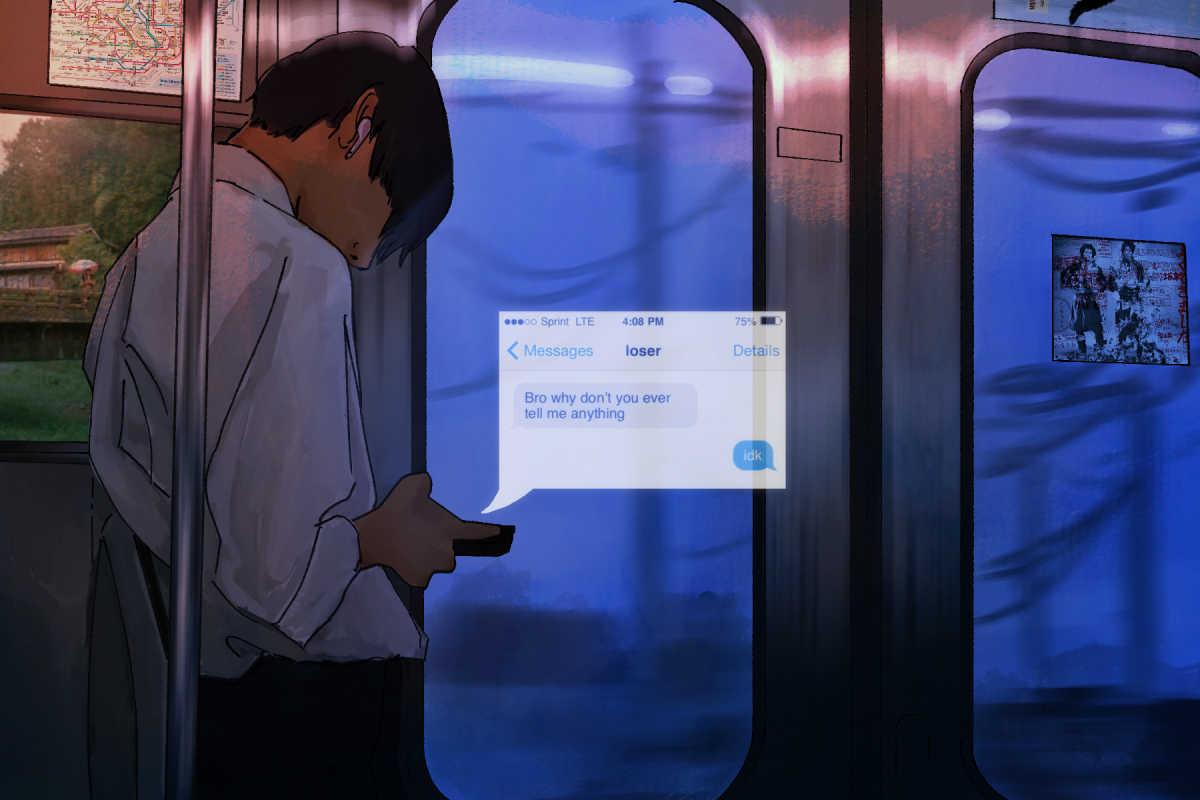
Snapchat also features delivered and opened timestamps, optional activity status, and location sharing. When chats are sent, users are able to see whether they have been opened and how long they remain seen or unseen. Along the same lines, if a user chooses to share their location, Snapchat shows when they are actively using the app and when they were last online. When this system intertwines with love, a message left on “delivered” or “opened” is not a neutral response, but a move in the game that draws interpretation. Instead of asking how someone feels, we watch– counting minutes and tracking activity. Connection is not assumed; it is verified through visibility and responsiveness. When clarity is missing, the mind fills its gaps and interprets this ambiguity as rejection. Snapchat commodifies “love” by turning our texting behavior into data we cannot resist but fixate on. Instead of love being warm, felt, and deeply understood, it is now a hollow fixation fabricated from digital patterns.
With Snapchat+, connection becomes increasingly quantified. Snapchat+ is a paid subscription that gives users a list of special perks: the ability to see their placement on someone else’s Best Friends List, to choose or “pin” a number one best friend, and to track others’ snap scores. Snapchat+, though presented as an incentive, is just another way for Snapchat to monetize the way we see love nowadays. Viewing one’s placement on another’s Best Friends List intensifies anxiety about maintaining or earning first place. Restoring snap score acts as a cheat code, devising an illusion of consistency. Similarly, the “pin” feature serves as a shortcut to the top spot, reinforcing the idea that exclusivity is declared rather than built through real connection.
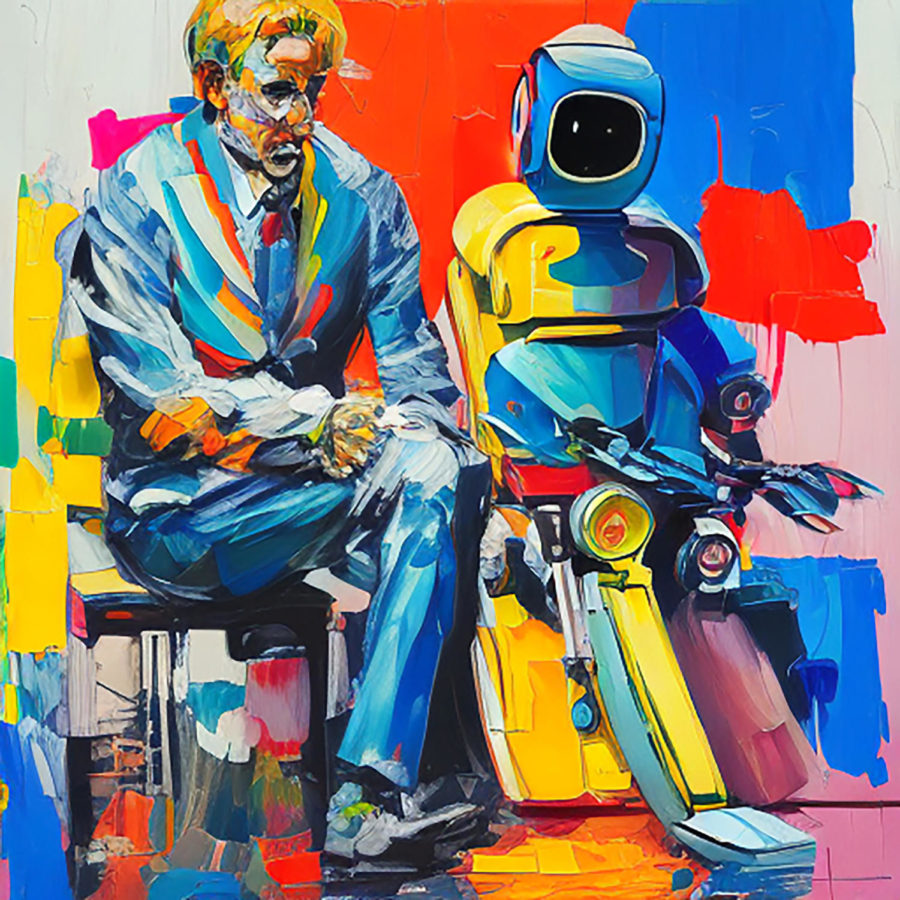
We, as humans, crave love more than anything. But at the same time, we have somehow peeled back its layers of richness until what remains no longer satisfies us. We creep in chats that give us just a taste of love, but never leave us full enough.
Romance is meant to be slow, and in its leisure, is intimate, real, and too deep to be placed on a simple hierarchy. Now, it has become just that—symbols we obsess over. We watch, assume, craze, consume.
To love, now, is to remember what we are owed: fullness, not crumbs, and passion, not play. When intimacy becomes gamified and reduced to something hollow and unfulfilling, there are no true winners—only players afraid of losing. Above all the rules of the game, it is we who keep the score and sustain its play. So, if our doing turned love into something that must be won, it is also our choice to revert it to what it once was—something worth everything.