














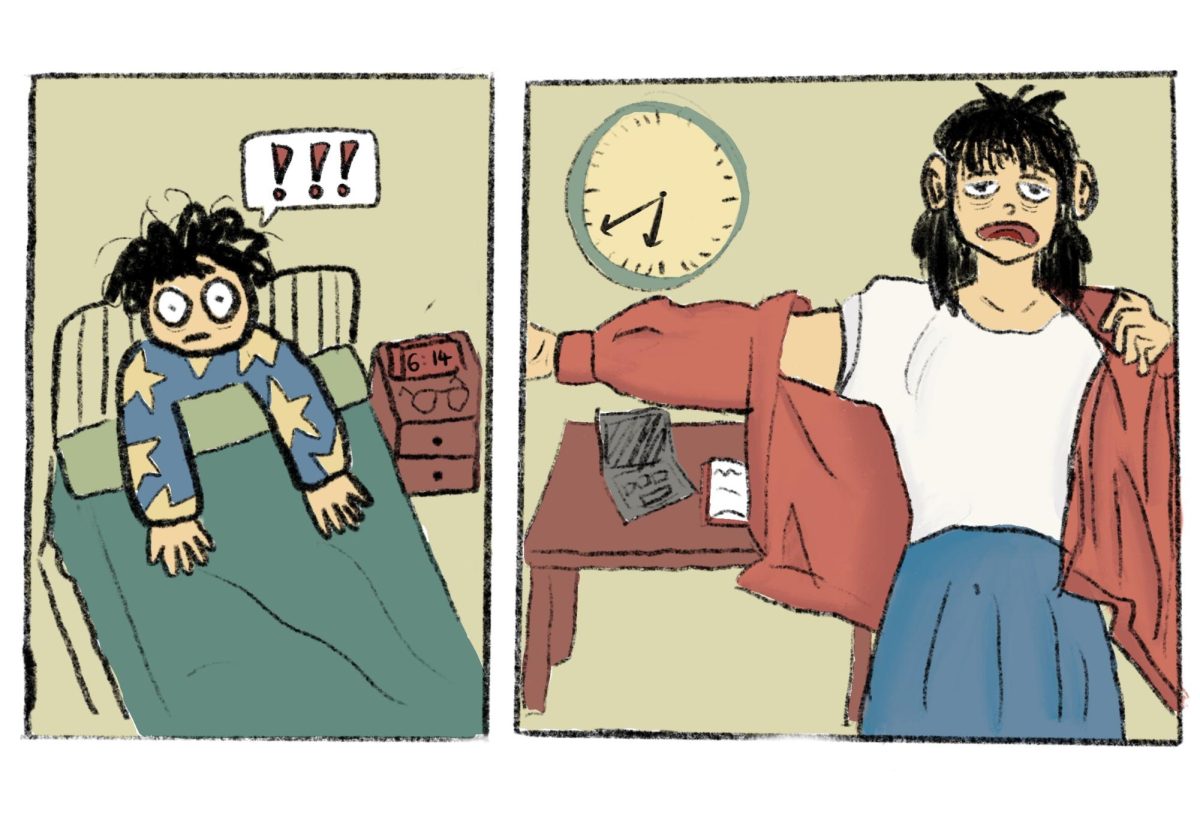










There was a time when reading filled every corner of my life. If you saw me in my elementary school halls, I would most likely be immersed in a Harry Potter or Percy Jackson book, lost in another world and expanding my ever-growing imagination. But somewhere along the blur of middle school, reading quietly slipped out of my daily routine. My “reading logs” for school ended up being full of books that I never even opened.
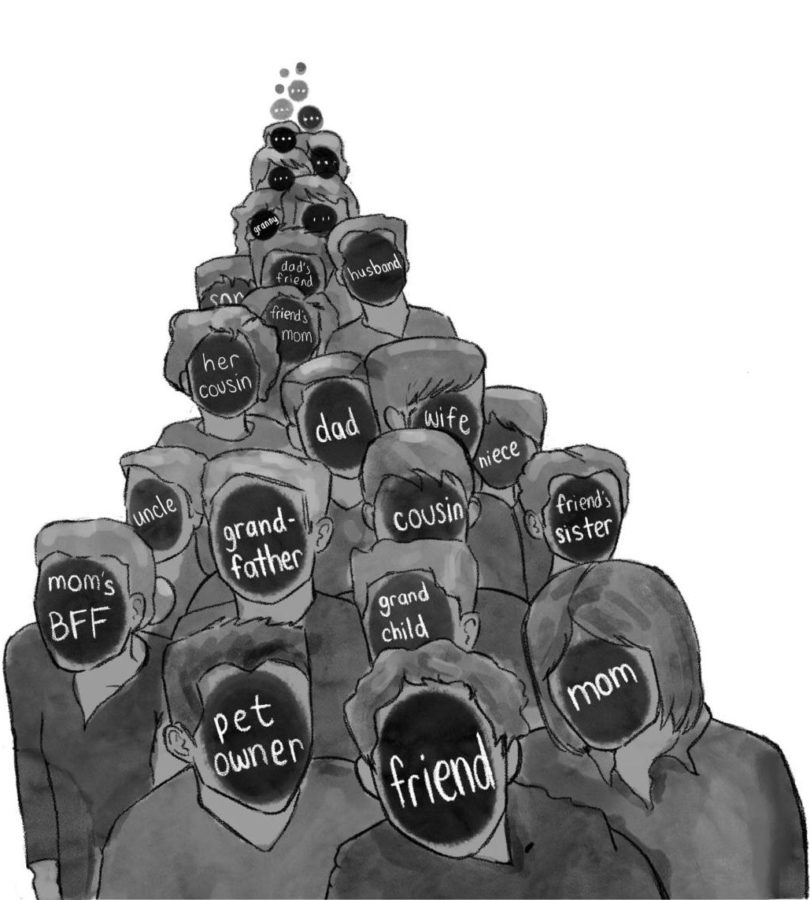
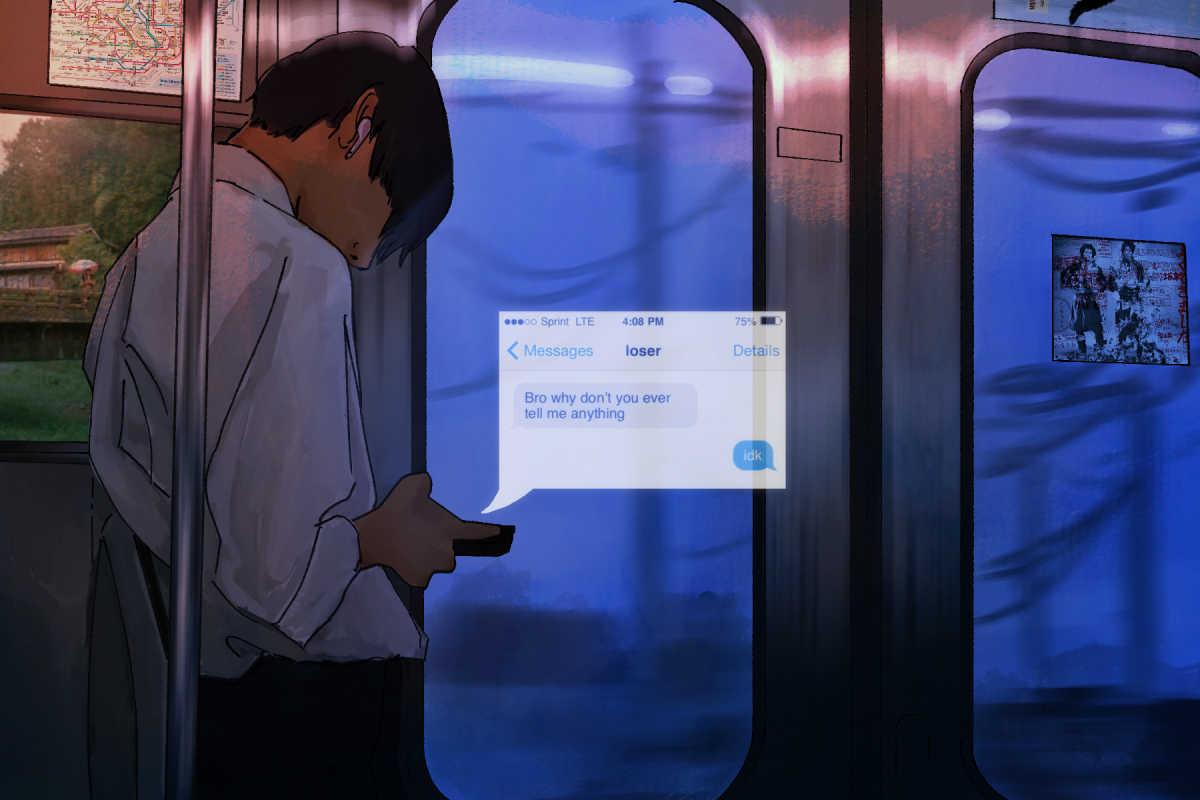
This is an experience I am sure most teens can relate to. We can spend hours scrolling through TikTok and Instagram without even realizing, each video blending into the next, yet five pages into a book, our mind starts wandering and our fingers start twitching for our phones.
The widespread decline of reading among teens is noticeable. Even when passing through places made for reading like the library, it is more common to see a student play a video game rather than read a book. In fact, it feels almost shocking to see a peer sitting down, seriously invested in a novel.
In a study by Monitoring the Future, it was found that in 1976, 41% of high school seniors read six or more books that year. In 2022, that number dropped to 13%. Even more concerning, the percentage of high school seniors who did not read a single book grew from 11.5% in 1976, to a whopping 41% in 2022.
This decline in reading is not merely happening to high schoolers—it’s happening to those even younger. A study from the National Assessment of Education Progress found a rapid decline in reading rates among 8th graders. In 1984, only 8% of 13-year-olds reported to “never or hardly ever read at all.” In 2023, that number rose to 31%.
Somewhere between school assignments, persistent notifications, and the constantly shifting world around us, reading for pleasure among teens has dwindled significantly.
What Happened to Reading?
There is not a singular reason as to what caused such a massive decline in reading. The world that teens live in today is completely different to the ones that their parents and grandparents grew up in.
The rise of the internet and social media is one of the largest differences. Platforms such as TikTok, Instagram and YouTube are designed to grab attention instantly and spike quick dopamine responses using its short form content and personalized algorithm, trapping users in an endless cycle of scrolling. Reading, in contrast, takes time and often requires silence, patience, and focus—things that our fast-paced digital lives rarely make room for.
Screens and social media are not the only thing to blame for the decline in reading, with schools also shaping how young people perceive books in general. Assigned reading has conditioned students to associate novels with deadlines, essays, and overanalysis.
In a survey published in 2001 in Reading Research Quarterly of over 1,700 sixth graders, 42% of students said their biggest motivation to read was to actually enjoy the story. However, the majority of them also linked their most negative school experience to be “directly related to assigned reading” because the books were too boring and hard to understand.
When students of such a young age are shoved books that they do not enjoy and are required to analyze them, they will naturally find even the idea of reading a book less enjoyable by the time they reach high school. Like many teens, I remember laboring through assigned books, counting the page numbers rather than actually enjoying the story laid out in front of me.
Beyond academics, recent culture and portrayal in the media has shaped the general public’s perception on reading. In many popular media and films, the book lover is portrayed as socially isolated and pedantic. Even in the iconic series Harry Potter, Hermione Granger is first introduced as a stereotypical “know-it-all,” with her love for books and knowledge constantly being made fun of by her peers.
This stereotypical portrayal of readers has created this stigma that all readers are nerdy or antisocial, discouraging reading from those who may be conscious about how people perceive them—especially when combined with the societal pressures to fit in that come with being a teenager.
Screens, school, and the negative stigma around reading has pushed it almost completely out of teenage life, making it feel more like a burden rather than a hobby.
Does Reading Really Matter?
At first glance, the decline of reading does not seem like a big deal, and is just a consequence in the harmless shift of how teens spend their time. However, research consistently shows that the loss of reading for pleasure comes with real life consequences, as reading helps teens academically, socially, and emotionally.
Academically, reading helps develop stronger vocabulary, comprehension, and critical thinking abilities, and was found to not only improve the skills needed for English classes, but every other subject along with it. This, in big part, is because reading strengthens the mental stamina needed for learning—improving focus, attention span, and memory over time.
A study by the Institute for Education found that students who read for pleasure had a 9.9% increase of grades in math. A different study published in 2019 in the Journal of Multidisciplinary Graduate Research showed a 6.11% increase of grades in Science, displaying a clear link between reading and success in various academic subjects.
Beyond academics, reading is proven to improve empathy and strengthen social awareness. At the Princeton Social Neuroscience Lab, psychologist Diana Tamir performed several brain scans. These brain scans showed that while reading, areas in our brain’s default mode network—which is responsible for supporting our capacity for stimulation—are highly active, improving the ability to identify what other people are thinking and feeling.
This is because when reading, we are effectively stepping into the mind of a complete stranger, experiencing thoughts, beliefs, and emotions completely different from our own. Once we start identifying with these characters, we start thinking about the characters needs and desires. This deeper understanding of other people’s experiences shapes us into more thoughtful and patient individuals.
Reading also directly contributes to improved mental health and overall well-being. A study done by the University of Sussex found that reading just six minutes a day reduces stress levels by up to 68% through reducing heart rate and easing muscle tension. The same study also showed that reading was more effective at decreasing stress than playing video games, listening to music, or going for a walk. In a world dominated by technology and constant stimulation, reading allows for a much needed quiet step away from the “real” world.
It was not until freshman year that I finally picked up a book again that I remembered what it felt like to fall in love with a story. If you were like me in middle school—who fell out of love with reading and treated it like an afterthought—I encourage you to pick up that book you have been putting off, or search for one that truly piques your interest. Allow yourself to get lost in a story for even just a few minutes a day. Because reading does not just make us better students—it makes us better people.