

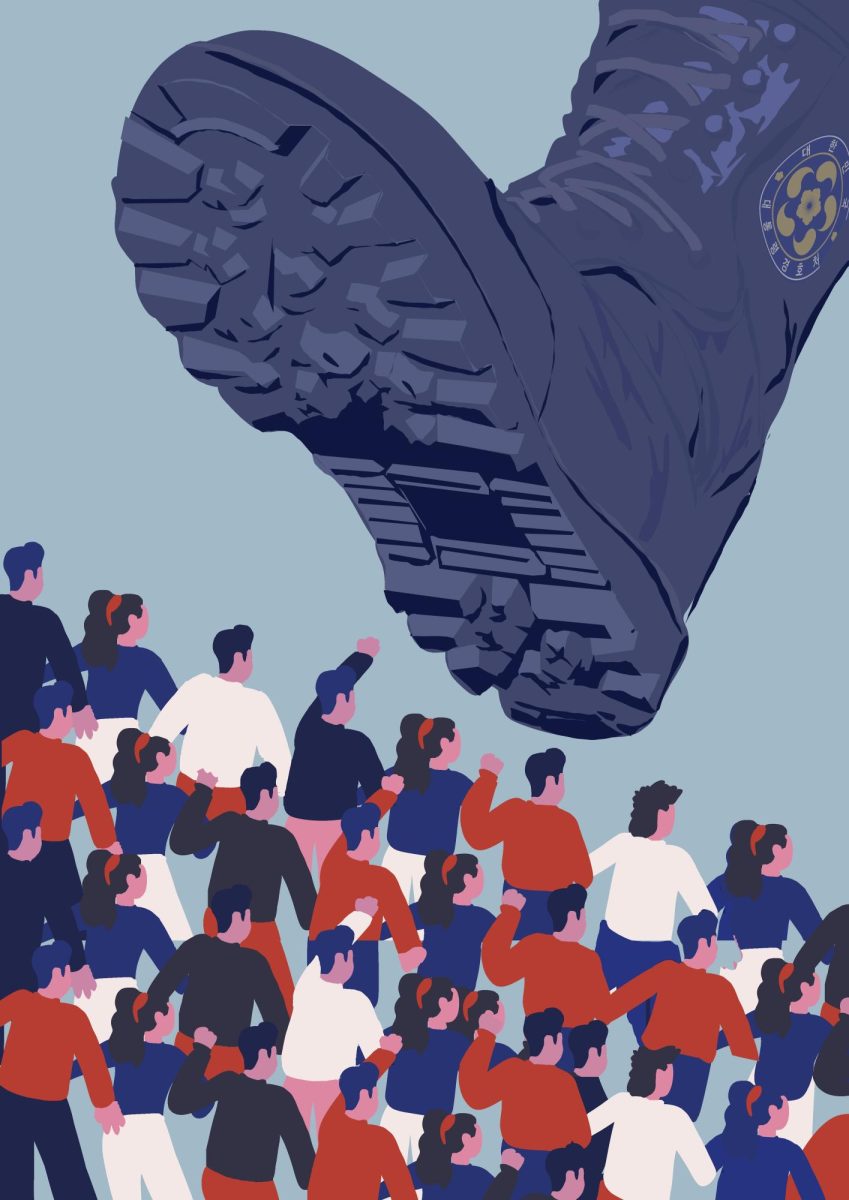
























For many seniors, the intense pressure of the college application season carries the expectation of proving identity, potential, and direction simultaneously. What was once a step toward the next stage of education now increasingly shapes how students work, plan, and evaluate themselves long before applications are due. College is no longer simply a goal to strive for, but a benchmark against which students measure who they are — and whether they are enough.
In an increasingly competitive landscape, the push to stand out has shifted into a pressure to outdo, where every activity seems expected to produce something noteworthy, whether a research paper, a startup, or a nonprofit.
As these expectations accumulate, students often begin making decisions not around what genuinely excites them, but around what they believe will distinguish themselves with the admission officers evaluating their applications. As a result, ambition becomes shaped less by passion and more by pressure.
From Milestone to Competition
The growing pressure to achieve is part of a broader transformation of the college admissions landscape. Over the past decade, admissions have become increasingly selective; the Common Application reports a 30 percent increase in submissions since 2020, while acceptance rates at elite U.S. universities have dropped below 5 percent.
As selectivity rises, college has taken on new symbolic weight. For many, a university acceptance feels inseparable from opportunity, identity, and future success. In this environment, extracurriculars, essays, and achievements shift in meaning — becoming less about expressions of interest and more about demonstrating achievements. What began as an academic ambition gradually transformed into a “performance”.
The Cult of Achievement
This fixation on performance has created what sociologists call achievement culture—the belief that productivity equals purpose. Accolades, awards, and leadership positions have become symbols of success. Many students describe their résumés as mosaics of titles—captain, founder, chair, leader—each one collected as proof of ambition rather than a reflection of curiosity.
“Sometimes it feels like you’re writing what colleges want to hear instead of what you actually believe,” one senior admitted.
Achievement culture shifts the purpose of learning from exploration to proving one’s worth. When measurable outcomes define success, students begin to conflate identity with productivity—what they accomplish becomes a measure of who they are. Interests that once felt personal are gradually curated.
The paradox is that the pursuit of standing out often produces the opposite effect — profiles that become increasingly “cookie-cutter” rather than individual. Résumés begin to mirror one another with the same sequence of titles, initiatives, and leadership roles—not because students lack genuine interests, but because those roles signal what is expected. Over time, the pressure to appear exceptional leaves less space to take risks, explore, or try something simply for curiosity’s sake — all of which are essential parts of adolescence.
The Digital Mirror
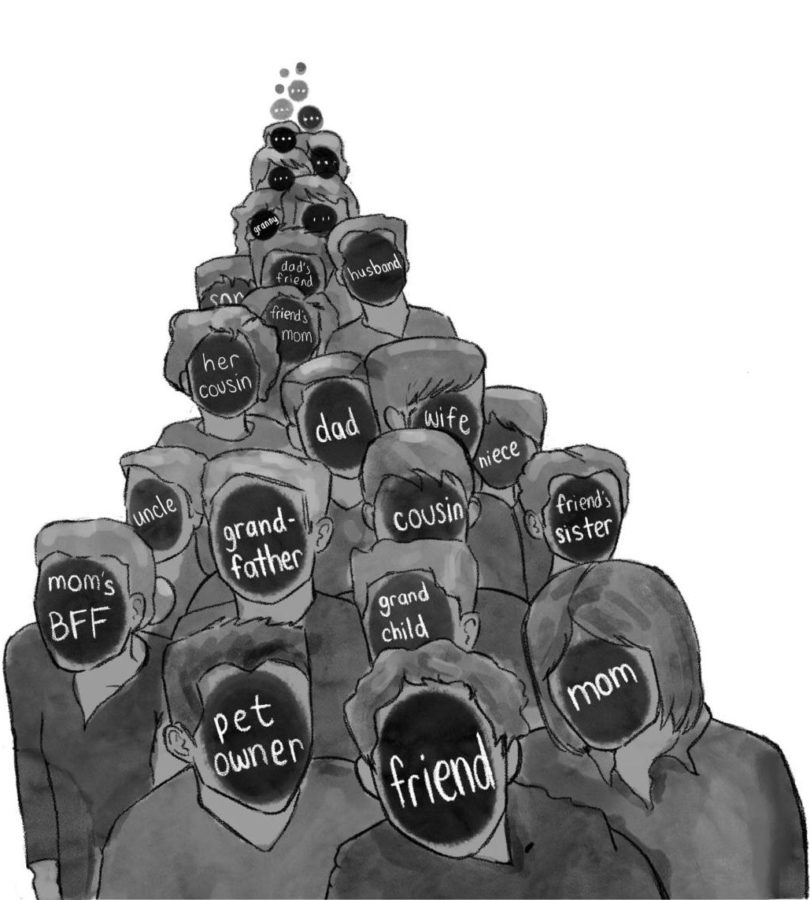
Social media has further intensified this pressure. Platforms such as Instagram, TikTok, and LinkedIn blur the line between achievement and appearance. Acceptance posts flood feeds every spring, turning personal milestones into public metrics.
“All those posts make it feel like a single announcement measures your worth,” one senior explained.
Online, visibility becomes value—likes and views mirror the exact quantification found in applications: test scores, GPAs, rankings.
Mr. Tavares, Head of College Counseling at JIS, acknowledged how this environment fuels stress, “Students are bombarded with information—sometimes helpful, sometimes misinformation—and it can create doubts about how they’ll be perceived in a competitive landscape.”
What appears online rarely reflects the full reality of the college application process. Acceptance posts and curated reels omit uncertainty and rejection, creating the illusion that others progress through the season effortlessly. When students compare their lived experiences to these edited versions, self-worth can become tied to others’ achievements. Remembering that social media captures only selective moments is essential, or comparison can heighten an already demanding process.
The Emotional Cost
For many students, the pressure manifests as burnout, anxiety, or imposter syndrome—an ongoing fear of being exposed as less capable despite apparent successes. An American Psychological Association study found that most high school seniors experience moderate to severe stress during application season, with many rating their stress at 6 on a 10-point scale—well above the healthy benchmark of 4. At JIS, survey data suggests the number may be even higher, with many students reporting the maximum stress level on a 1–4 scale.
“You see people finishing faster, getting results earlier,” a senior shared. “Even when you’re working hard, it still feels like you’re not enough.”
According to ScienceDirect, this pattern can have real consequences for mental health. Chronic stress and self-doubt can develop into persistent anxiety, loss of motivation, sleep disruption, or depressive symptoms. When self-worth becomes tied to achievement, the fear of falling short can overshadow the importance of mental health and self-care.
International Landscape
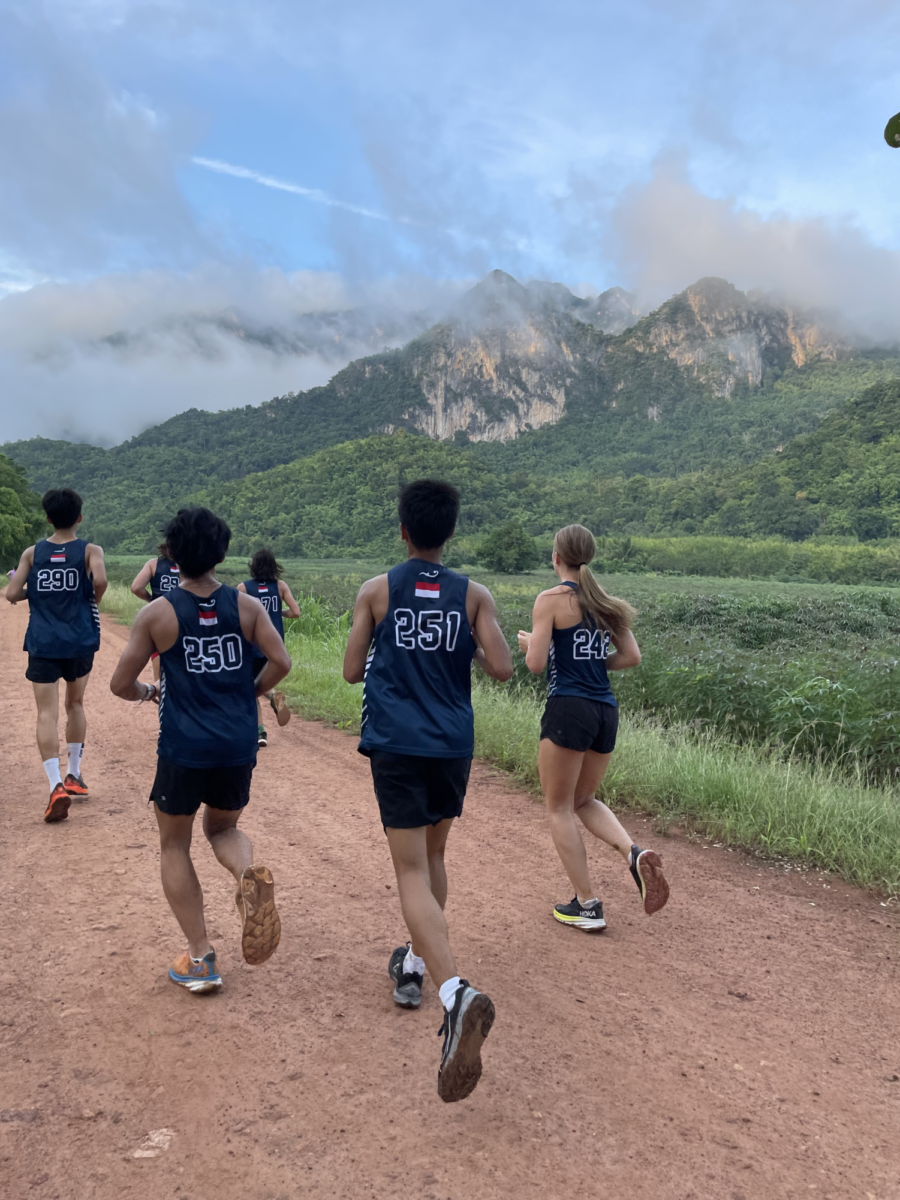
Many students at international schools like JIS navigate an especially demanding climate—one in which they aren’t compared only to their peers, but to applicants worldwide.
Within international schools, the pressure is intensified by a culture defined by high-achieving students, globally competitive aspirations, and close social networks. Peers often share similar academic strengths, access to rigorous programs, and ambitions to attend the same selective universities abroad, making every milestone highly visible. This pressure is further heightened by parental expectations, as families making a significant investment in a top private school often expect outcomes that reflect that commitment, adding another layer of urgency to students’ academic and extracurricular choices. In such an environment, achievements and setbacks rarely remain private, and students may feel evaluated not only by admissions officers but by the international community around them.
Redefining Success
In a landscape where students often feel pressured to do more, achieve more, and become more, the question of balance becomes central. Counselors increasingly emphasize that genuine growth does not come from endlessly expanding one’s commitments, but from understanding which responsibilities actually support one’s well-being and sense of self.
As Mr. Tavares noted, “For the hot-air balloon to rise, you either add more heat or drop some sandbags. Sometimes students need to let go of what’s weighing them down.”
In practice, this means recognizing that students are strongest when their commitments genuinely reflect who they are. Rather than accumulating activities to meet perceived expectations, many benefit from reassessing their schedules and choosing pursuits that align with their interests, values, and capacities — understanding that stepping back from something that no longer feels meaningful is not doing less, but making intentional, authentic choices.
As one senior wisely put it: “At some point, I realized I can only do my best and be true to myself. You’ll end up where you’re meant to be—and that is more than enough.”
Ultimately, the goal is not to construct the most decorated résumé but to build a high school experience that is sustainable and true to one’s identity. When students align their commitments with their well-being and genuine interests, they present a more honest and compelling version of themselves — and beneath the essays, recommendations, and scores lies a deeper truth: a college decision is not a verdict of your worth.