




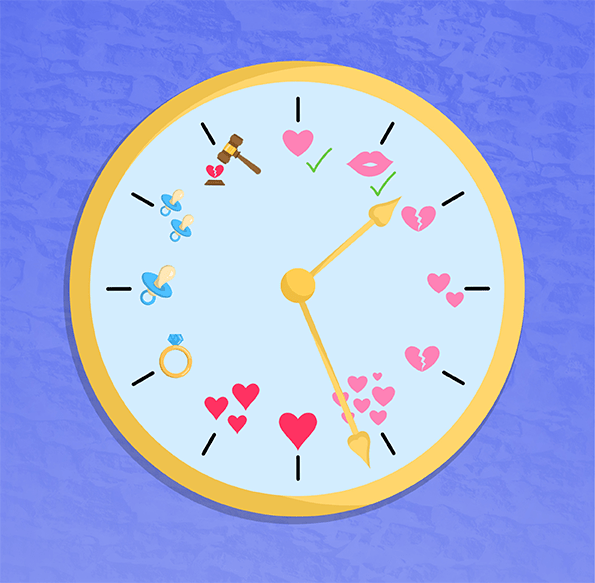


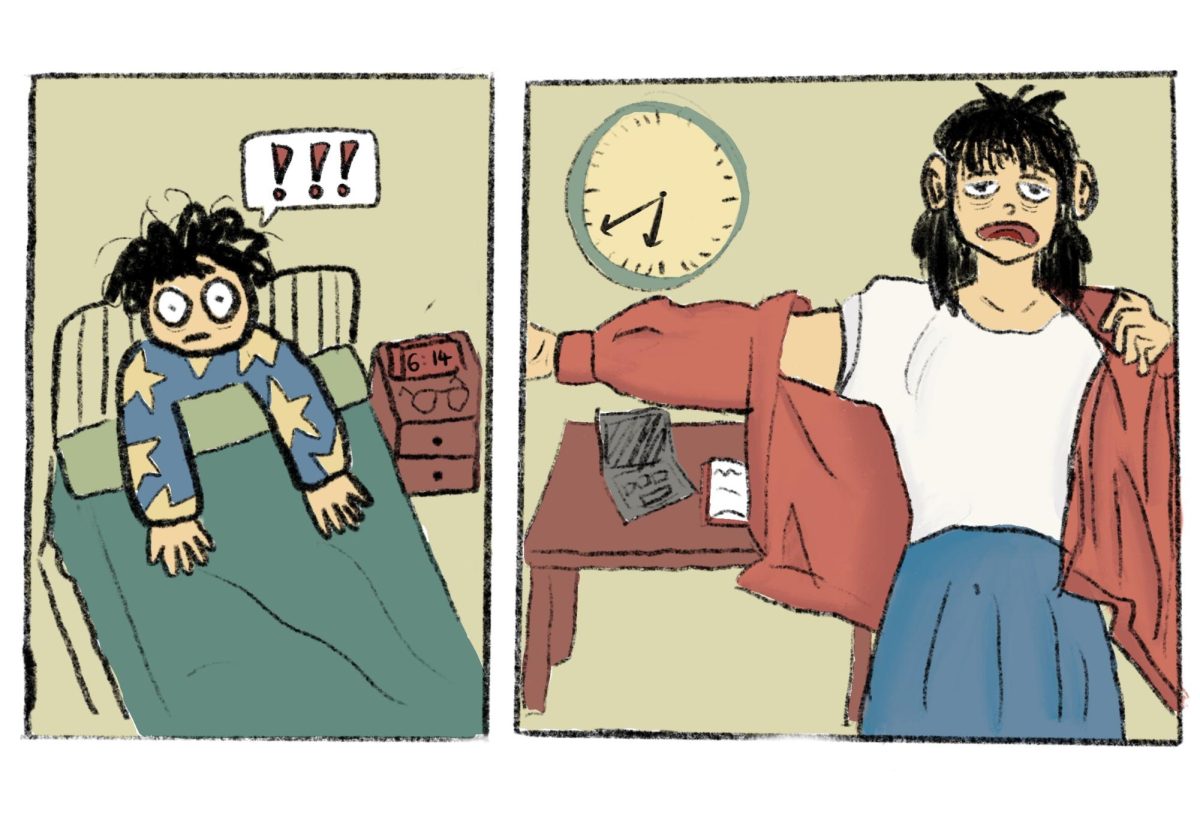








Regardless of the duties at hand, the awareness of 11:11 on the clock’s interface has likely led many of us towards a brief interruption: making a wish. For some, this sequence of numbers merely indicates the time; yet for others, digits that might be perceived as obsolete still carry meaning.
This constructed association highlights the influential role that numbers have long played for individuals and society alike. As markers of superstition, luck, or fate, human interactions with numbers can elicit micro- and macro-level reactions—often with impacts that go unnoticed.
The Emergence of Association
So, how exactly do simple digits become intrinsically linked to deeper meaning? The creation of these associations can stem from various sources.
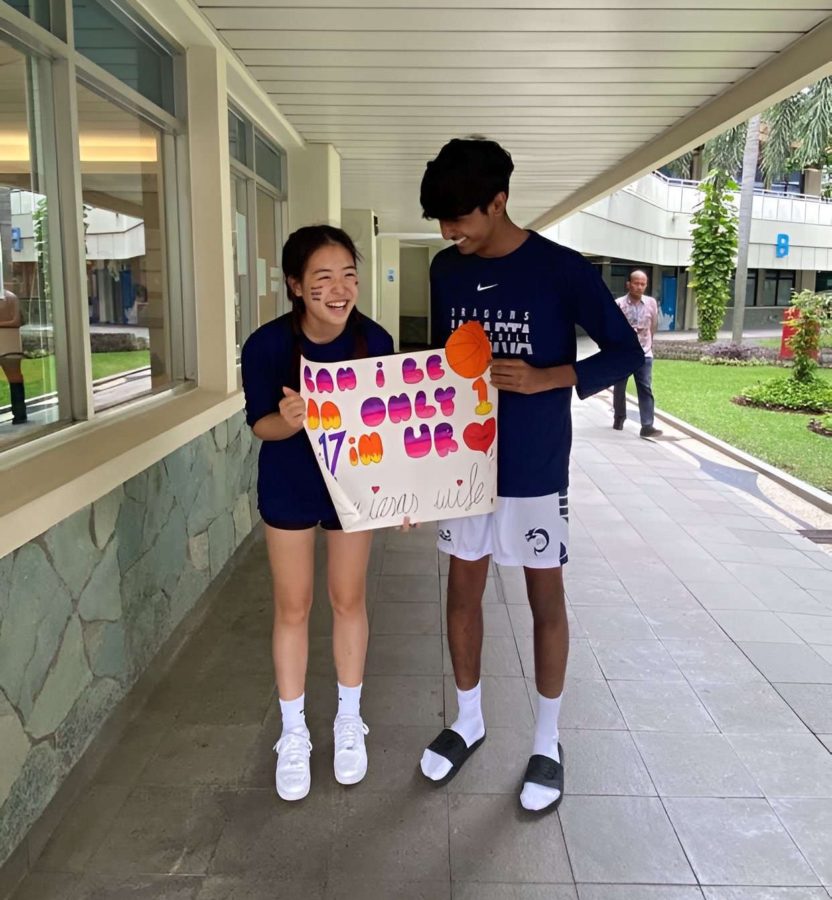
On an individual level, personal significance is one of the most common ways. Whether it is a birthday, an anniversary, or a jersey number, mentally assigning specific digits greater importance than others helps create emotional connections.
Yet, macro factors, such as cultural beliefs, also play a significant role in shaping widely held numerical interpretations.
One major example is how the language used in day-to-day life can be a vehicle for shaping how communities think. In Mandarin, the number four is often considered highly unlucky because of its phonetic resemblance to the word for death. As a result, this belief has become deeply embedded within Chinese culture. Although one of many major influences worldwide, the relevance of language underscores how collective conviction can shape cultural norms and practices.
The Personal Response
As the most recognizable example of numerical superstition, having a lucky number can facilitate various psychological responses in ourselves.
For starters, positive attributions can contribute to perceived control. In uncertain situations, choosing to include your lucky number can help create a sense of order and predictability. Although this might not be a determining factor toward the outcome, a beneficial effect prevails: increased confidence.
On the contrary, placing too much emphasis on lucky numbers can lead to lapses in judgment. If decision-making capacity becomes too contingent on luck, we may make choices rife with bias rather than on facts.
This can be understood as confirmation bias, a phenomenon in which individuals unconsciously favor information that align with their pre-existing beliefs. Thus, lucky numbers may only maintain their luck because we choose them to do so.
The Societal Response
These personal superstitions can also culminate in a wider societal impact. Buildings around the world are known to omit certain numbers from their floor plans due to widely held cultural beliefs. For example, in Asia, particularly within East Asia, the redaction of number four is common within hospitality, residential, and medical buildings.
Additionally, triksadekaphobia, the phobia of the number 13, is another reason that facilitates the specific exclusion of numbers. In the United States, it is typical to skip the 13th floor in high-rise buildings as well as avoid the 13th row in airplanes.
Such phenomena can be even further exacerbated when the number is coupled with a day: Friday the 13th. Fraught with myth, the impacts are yet real: financial losses can reach $800 million annually, with individuals choosing to avoid errands and work out of superstition.
Numbers also carry significance within Indonesian society. Nomor cantik (translated to English as “beautiful number”) describes a phone number or license plate with an easily identifiable or aesthetically pleasing pattern. Examples of this include repeating digits (7777) or symmetrical sequences (1221). The rarity of nomor cantik has often led to its association with prestige, as its scarcity prompts higher prices and even auctions. Thus, these examples underscore how numerical values are not merely objective figures, rather through ascribed meaning, become shapers and reinforcers of collective belief.
Civilization has historically imbued numbers with a certain signifiance. Whether you consider this phenomenon as trivial or vital, regardless, the associations we make with numbers can shape how we live our lives. From the personal attributions that shape individual perspectives to the communally held beliefs that strengthen culture—numbers are everywhere, with impacts that extend far beyond their face value.