






















Just weeks ago, hallways filled with roses and heart-shaped chocolates, the air heavy with Valentine’s Day anticipation. Love during this season is often centered on romantic relationships. Yet tucked behind the spectacle of romance lies another form of love that shapes who we are just as deeply: female friendships.
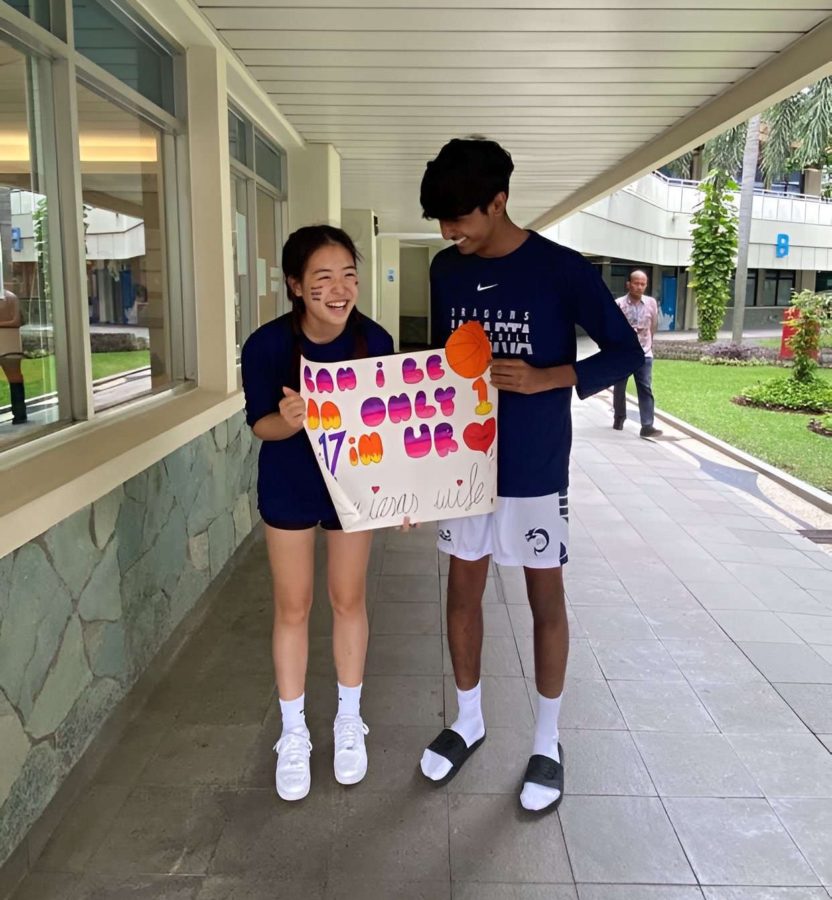
In high school, romance often takes the forefront of social attention. Milestones such as prom, school dances, and candy grams make romantic relationships especially visible, frequently linking them to ideas of social belonging or emotional growth. Questions about who is in a “situationship” or whether someone has a date naturally draw interest. Within this environment, friendships tend to exist outside the spotlight, not because they matter less, but because they are often taken for granted.
Romantic relationships can be affirming, exciting, and formative in their own right. However, the emphasis placed on them can unintentionally eclipse the friendships that often provide more consistent support and create deeper bonds during adolescence. For many, the friendships formed in high school become emotional foundations—relationships that extend beyond graduation and leave lasting imprints on identity, values, and self-understanding.
While friendships take many forms, female friendships are often marked by emotional openness and shared reflection, shaping how we navigate both school and life beyond it.
Conversations within these relationships frequently move beyond everyday topics into deeper discussions about identity, insecurities, and the pressures of growing up. Support in these friendships often goes beyond simple companionship, creating spaces where vulnerability and understanding are expected rather than unusual. In this way, female friendships become steady anchors, helping us navigate and make sense of the experiences and uncertainties unique to being teenage girls.
Growing up involves learning who you are amidst mounting expectations. Academic pressure, extracurricular commitments, family dynamics, and future aspirations frequently collide, adding to the uncertainty many of us already face. In these moments, female friendships often become spaces of safety, places where vulnerability is encouraged, and honesty is welcomed.
Across responses from girls in the JIS high school, one student reflected that her friends “don’t make [her] feel small—they make [her] feel understood,” capturing the reassurance these relationships can provide.
Beyond emotional understanding, female friendships persist through both success and struggle. Students described these bonds as sources of comfort during difficult periods and celebration during moments of achievement. Whether navigating stress or personal milestones, friendships offer stability when circumstances shift. As one student shared, “We can all respect each other’s space but still be there when it matters.”
For many of us, female friendships also foster a level of emotional fluency that is harder to access elsewhere. Several students explained that while they maintain a wide range of friendships, their female friendships allow for deeper vulnerability. Within these relationships, fears, insecurities, and personal struggles can be voiced without fear of judgment.
One student shared that when she was going through a difficult situation at home, it was her female friends who created a space where she felt comfortable opening up. Rather than offering quick solutions, they simply listened, offering patience and reassurance during a time when she needed understanding the most.
Whether navigating academic stress, family challenges, or heartbreak, these friendships often provide a space where emotions can be expressed openly and processed collectively. Though they rarely receive the same attention as romantic relationships, their influence remains lasting, reminding us to appreciate those who have stood beside us along the way.
Amid the attention often given to romance, it is worth pausing to reconsider what—and who—we choose to celebrate. Female friendships are not a lesser form of love, nor are they placeholders for something else. They are lasting, defining relationships that leave some of the deepest impressions on who we become.
Between girlhood and womanhood, it is often friendship that carries us forward. When heartbreak or uncertainty arises, it is these friendships that steady us, reminding us that healing rarely happens alone and that the people who stand beside us through life’s transitions are often the ones who shape us the most.