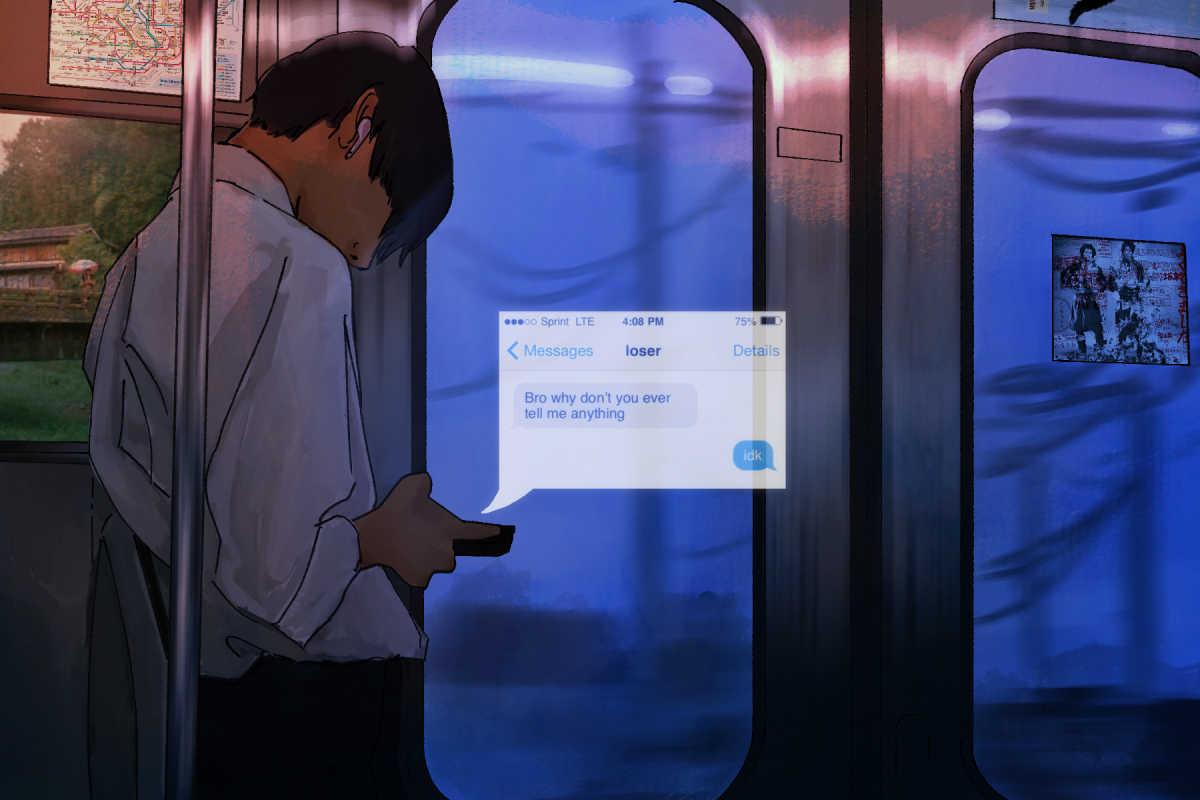
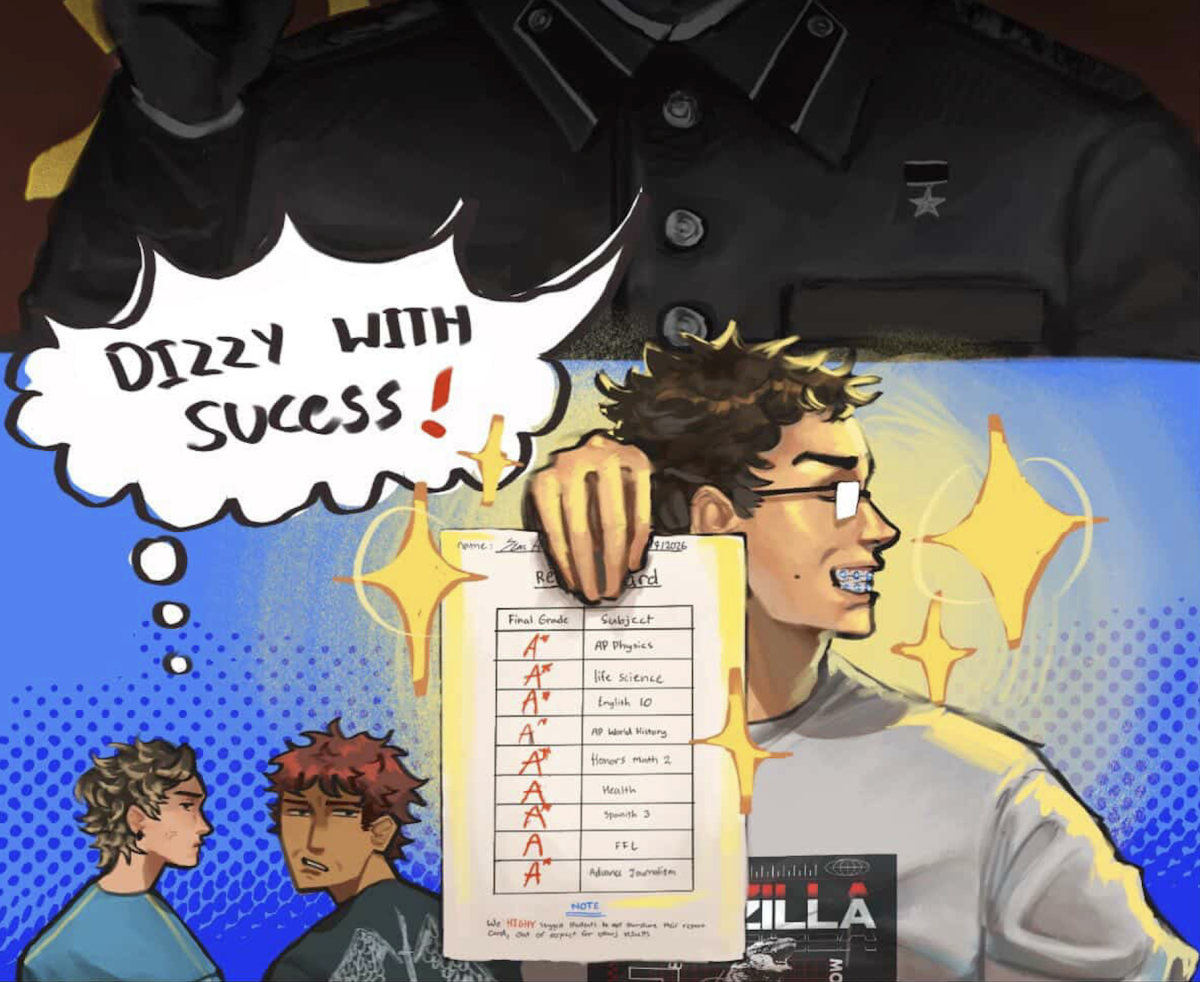

Wake up–it is 2016. Or at least, that is what social media would have you believe. The internet has hit a rewind. Songs from a decade ago are added back into playlists, old dances are flooding TikTok feeds, and across Instagram and Snapchat, one phrase keeps resurfacing: “2026 is the new 2016.”
While the trend spans across multiple generations, its most enthusiastic contributors are Gen Z. Through viral dances and songs that depict 2016 as an era of playful filters and less curated self-presentation, adolescents have grown an attachment to a year they only remember through a screen.
Who is Behind the Trend?
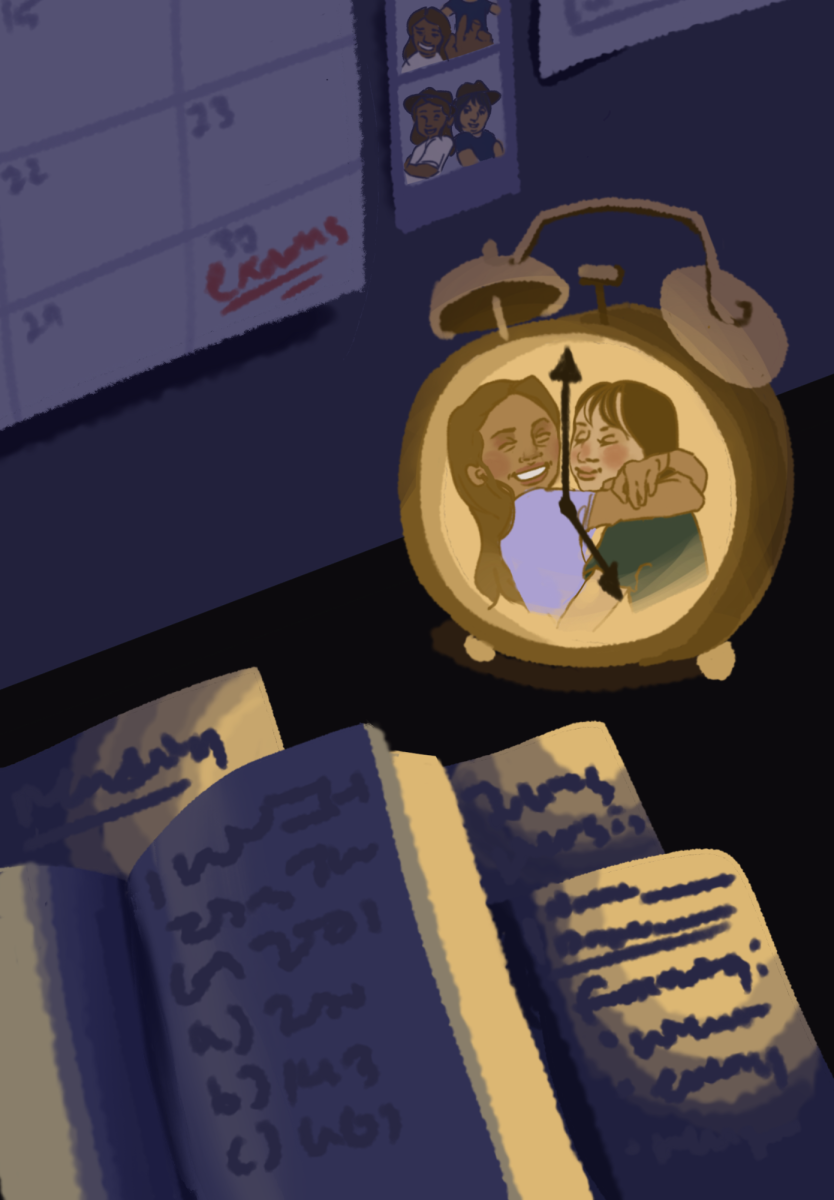
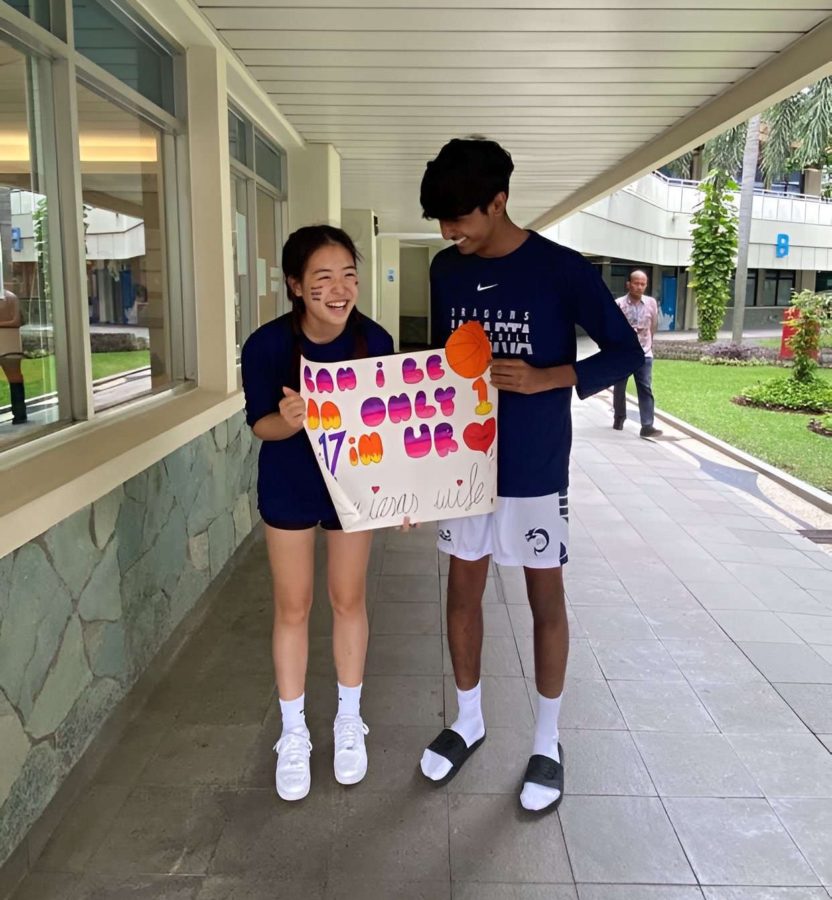
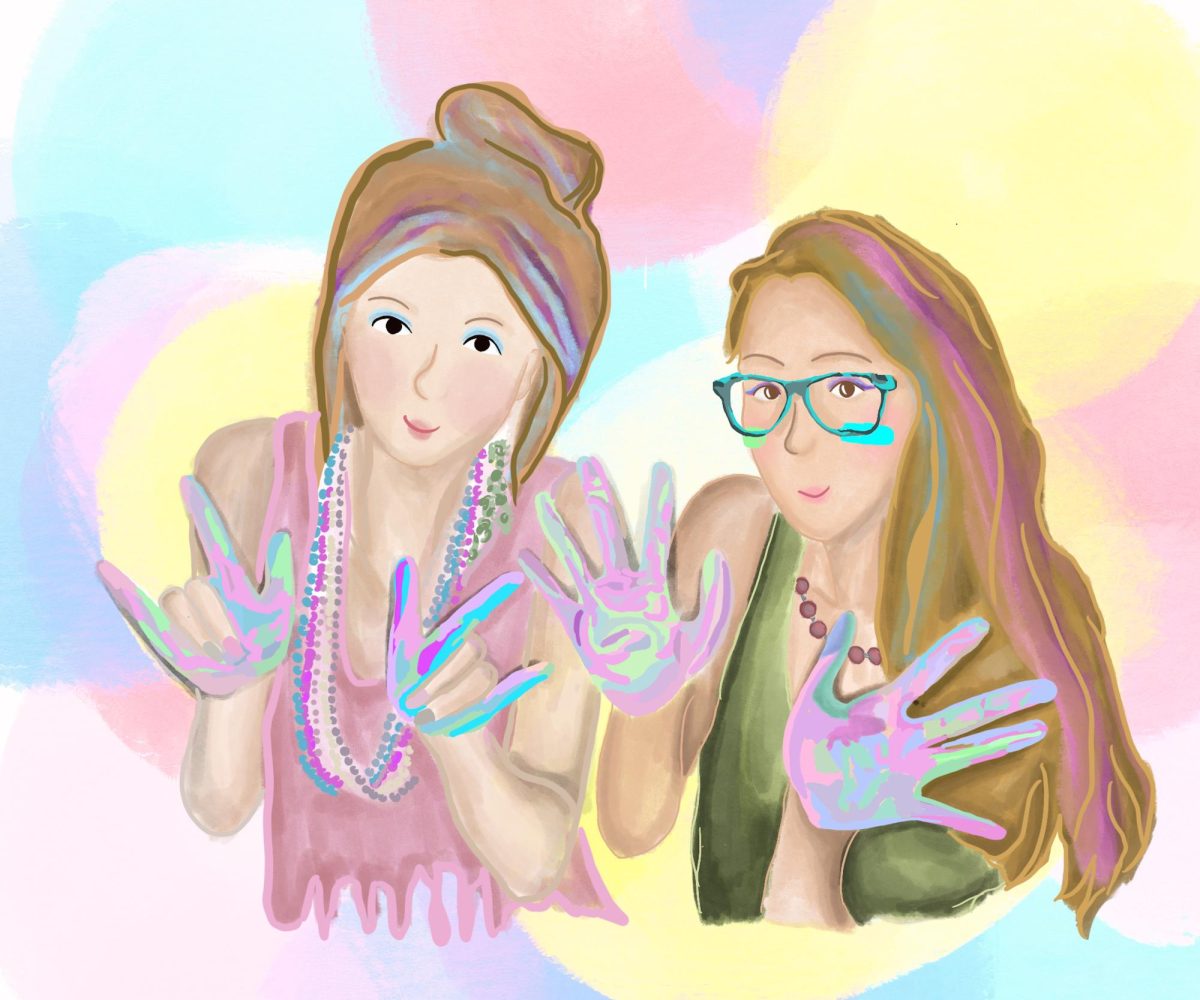
According to USA Today, a national U.S. newspaper, the trend arose as millennial and older Gen Z users–now in their early thirties–revisited their camera rolls to mark the ten-year gap between 2016 and 2026. They reposted old images of themselves, reminiscing about when beauty standards felt less restrictive. The expressive fashion of 2016 layered beaded necklaces and ripped jeans with streaks of wildly colored hair.
These throwback posts were captioned with the ironic phrase “your average worst day in 2016,” as users shared flattering pictures of themselves laughing with their friends or posing confidently. 2016 is often reframed as lighthearted and unburdened compared to the relentless social and aesthetic pressures of the present.
Several creators also paired their throwback pictures with pop songs from 2016, sung by top artists such as Zara Larsson, Rihanna, and Drake to drive higher engagement. These tracks were especially sentimental since they were tied to core memories of late Gen Z, such as middle school dances and early high school years. Furthermore, their upbeat rhythms flowed well into short-form media such as TikTok and Instagram Reels.
While users interacted with these videos through liking, sharing, and commenting, social media algorithms pushed the content to increasingly wider audiences. As more current adolescents saw these videos constantly appearing on their feeds, they began to grasp what “2016” felt like. Popular challenges from the era are easy to replicate, allowing younger users to participate enthusiastically. As the most prolific creators on social platforms, teenagers now drive the 2016 resurgence by recreating its viral dances and challenges.
Simpler Times
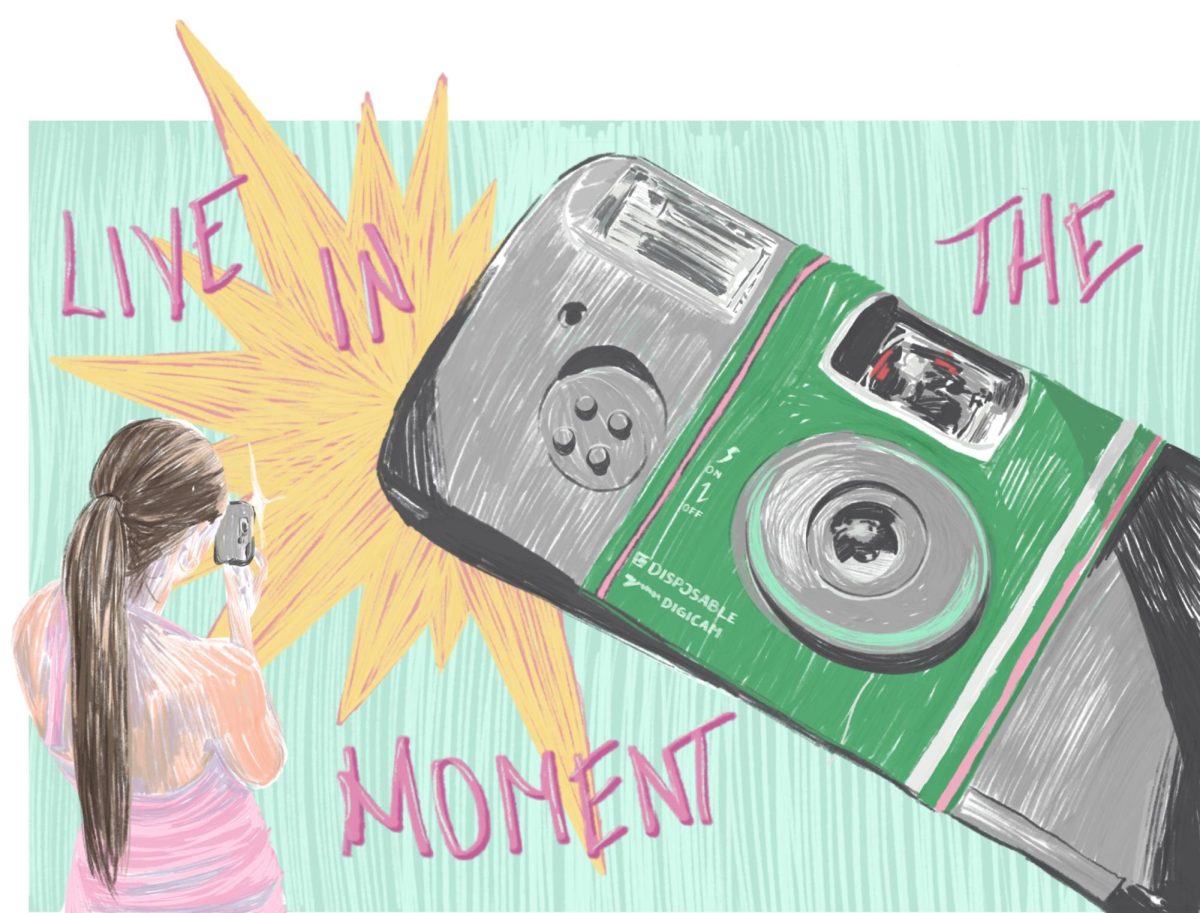
The year is memorable for the way netizens appeared online at the time. The era is remembered for its jaunty, fun aesthetic, which embraced playful Snapchat filters, expressive makeup and candid selfies.
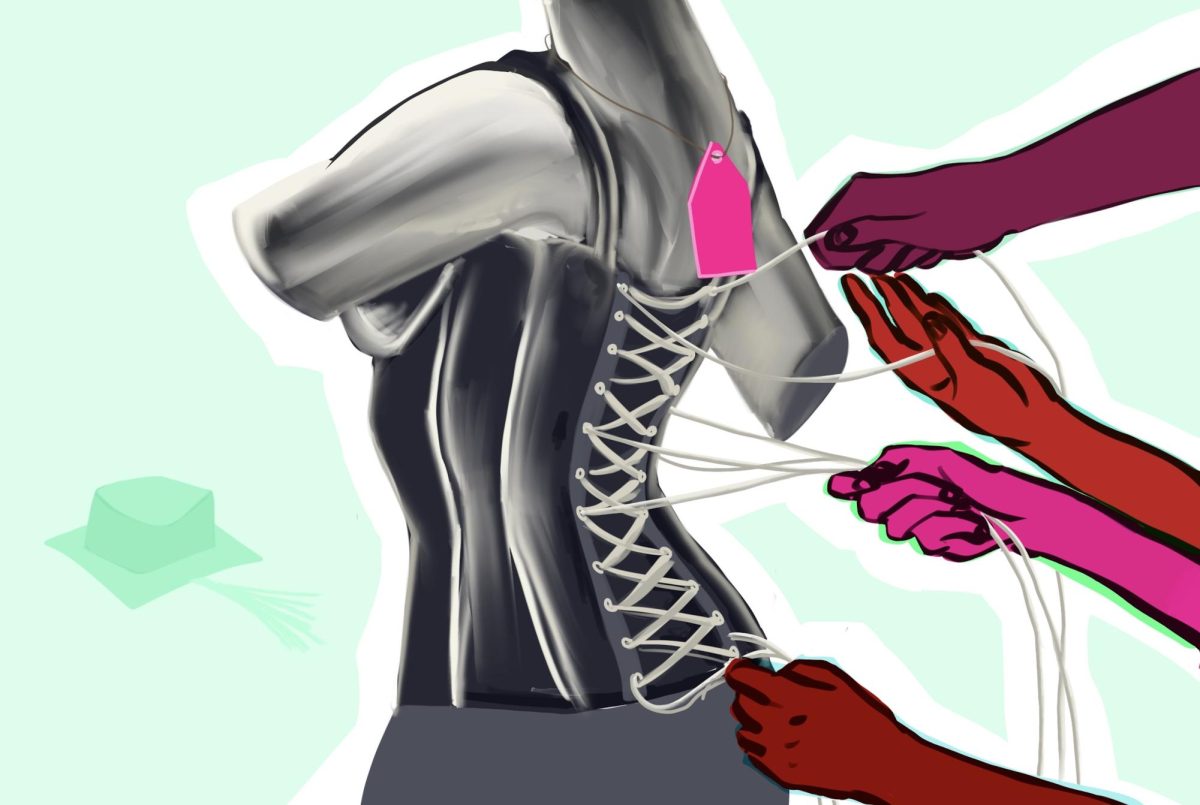
Consequently, users felt more comfortable when posting instances that were not polished or ideal. In contrast, 2026 beauty norms on social media standardize heavy makeup filters and face-altering apps.
For present teenagers, seeing this simplicity is especially striking. Although this omnipresent version of 2016 is idealized, it offers a respite from today’s incessant pressures to appear perfected and camera ready.
Restoring Shared Culture
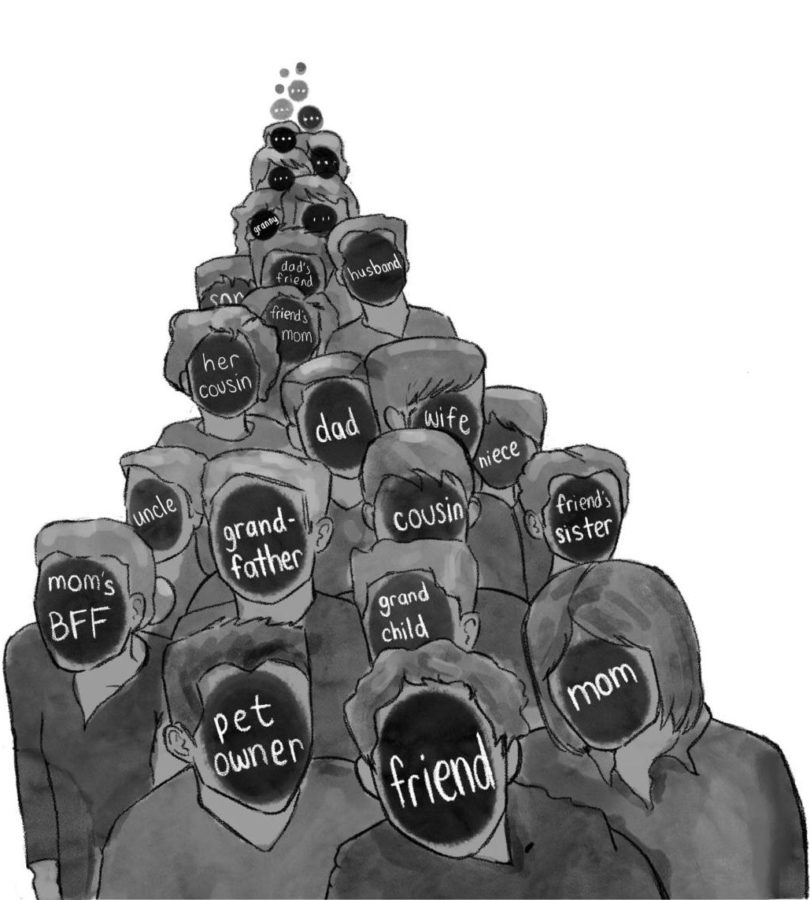
The heightened fixation on 2016 stems from a widespread nostalgia for a time when online culture felt more united. With fewer users and less media saturation, content circulated universally. Therefore, users encountered the same jokes, tunes, dances and trends.
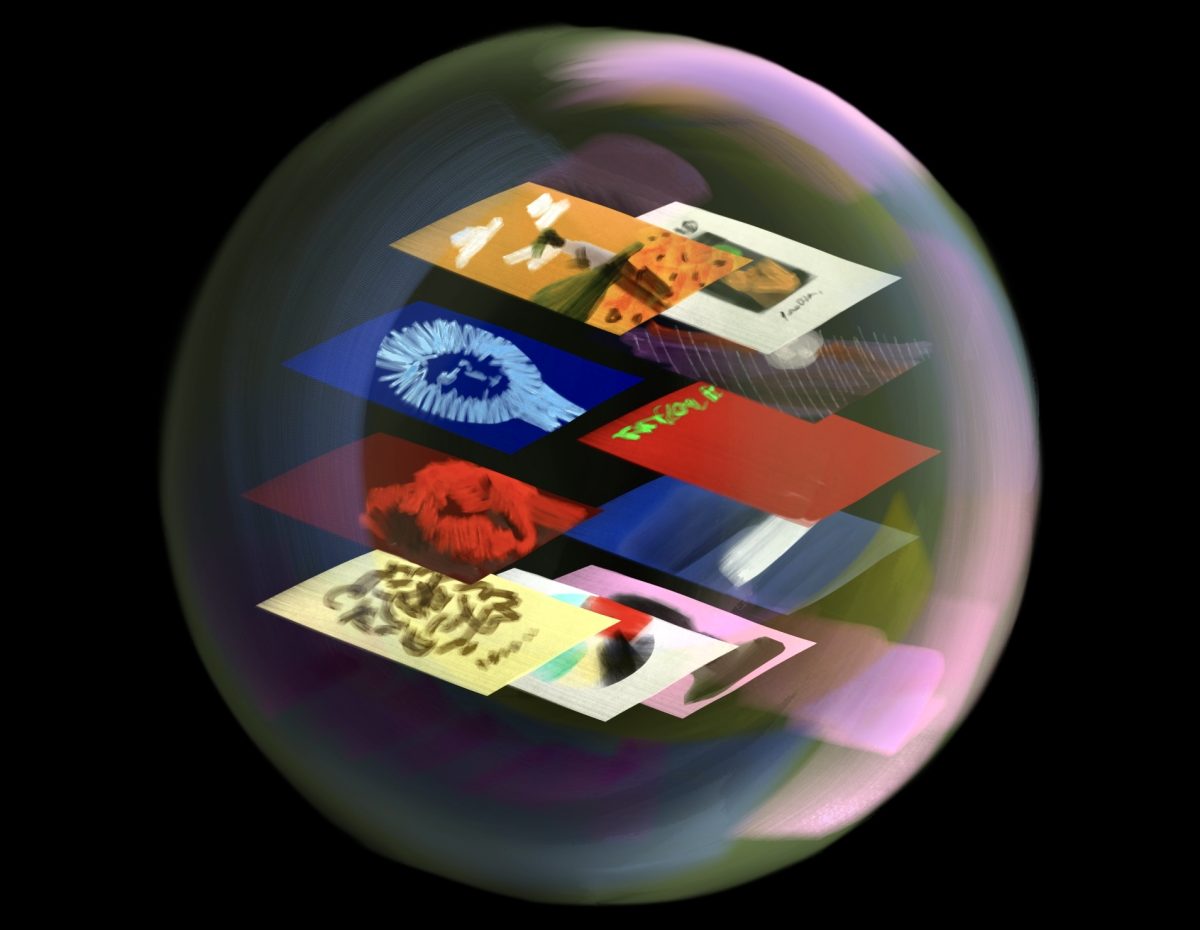
With 4 billion more users today, platforms curate individualized algorithms based on personal preferences, which are evaluated through user engagement, relevance and watch time. Thus, personalization has increasingly confined users to their own algorithmic bubbles. However, the 2016 revival burst these bubbles, as multiple generations engage with the same trending references–collapsing the internet back into a shared space once again.
Imagined Nostalgia
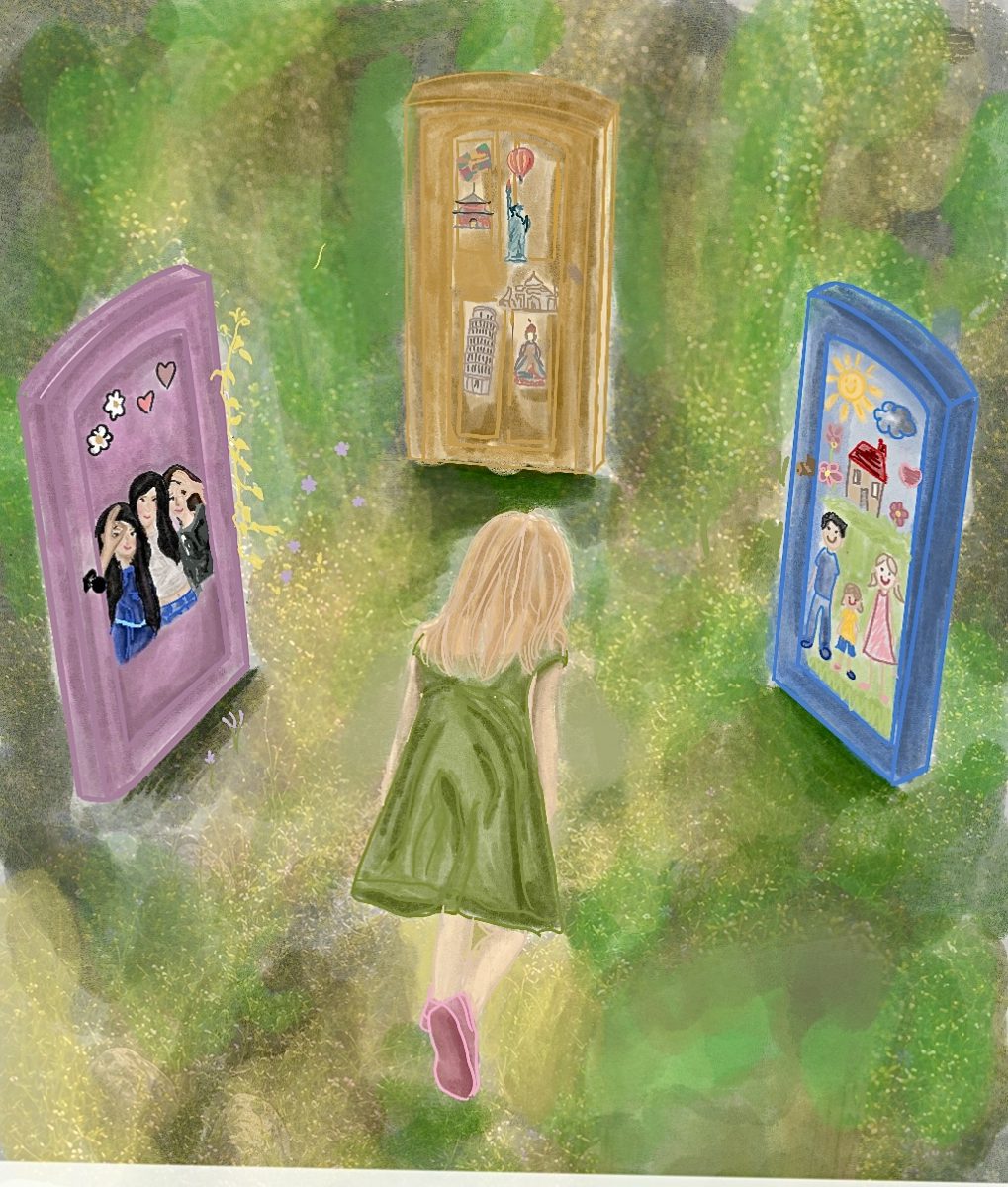
Coined in 1981 by Jean Baudrillard, a prominent sociologist and philosopher, “imagined nostalgia” is a sentimental and emotional longing for a time or era one has never personally experienced. For teenagers today, 2016 is more of a feeling than a memory. Adolescents can vicariously “live” 2016 through old pop songs, filters, and viral moments that have been pervasively circulating across social media.
Statistics from Red94 News, an entertainment news outlet that tracks latest social media and streaming trends, show that TikTok has seen a dramatic surge in interest around the era. Searches for “2016” spiked by over 450% in early January 2026. Furthermore, related searches for “2016 songs” increased nearly 290% and “2016 makeup” rose by 600%. 2016 content has been used in tens of millions of posts overall, showing a massive collective engagement with the year.
Playlists and music streaming tied to 2016 have likewise climbed: Spotify data shows user-made “2016” playlists surged over 70% compared with previous years.
Adolescents today were too young to remember 2016 firsthand. However, social media allows them to participate in a version constructed entirely from circulating content. In this way, imagined nostalgia turns past eras into experiences that can be lived through the screen, even for those who missed them.
Streamed Into Replay
The 2016 revival depicts how platforms can steer a generation’s memory of an era. Through repetition and algorithmic stimulation, platforms have turned nostalgic fragments of the preceding decade into an ubiquitous longing. By doing so, they have influenced the interests and emotions of adolescents who had not necessarily experienced 2016 but have grown to be among its most active participants.
For many teens, 2016 is a year created solely through the screen, yet powerful enough to elicit genuine longing. By deciding which memories resurface and which aesthetics trend, platforms can induce attachment to experiences that were never lived firsthand.