




























Chocolate is a staple treat for many, yet so few of us actually know, or bother to think, about what really goes on behind a bar of chocolate. In Indonesia, where a number of artisanal chocolate companies have begun to thrive, there is a growing emphasis on recognizing the unique cacao flavors of our home.
Jika Chocolate is one such example: to better understand the rise of artisan chocolate in Indonesia, Feedback conducted an interview with its co-founder, Baldwin.
Baldwin’s desire to start his company, Jika, stemmed from the limited availability of artisanal chocolate in Indonesia:
“I noticed that Indonesia produces some of the world’s finest cacao, yet so little of it was transformed locally into high-quality chocolate.”
After spending years researching the chocolate industry and its processes, Baldwin decided to start his own company, emphasizing craftsmanship and collaboration with farmers, as well as a ‘bean-to-bar’ philosophy. This philosophy involves commitment to creating the chocolate from scratch, from harvesting the beans to molding the final product.
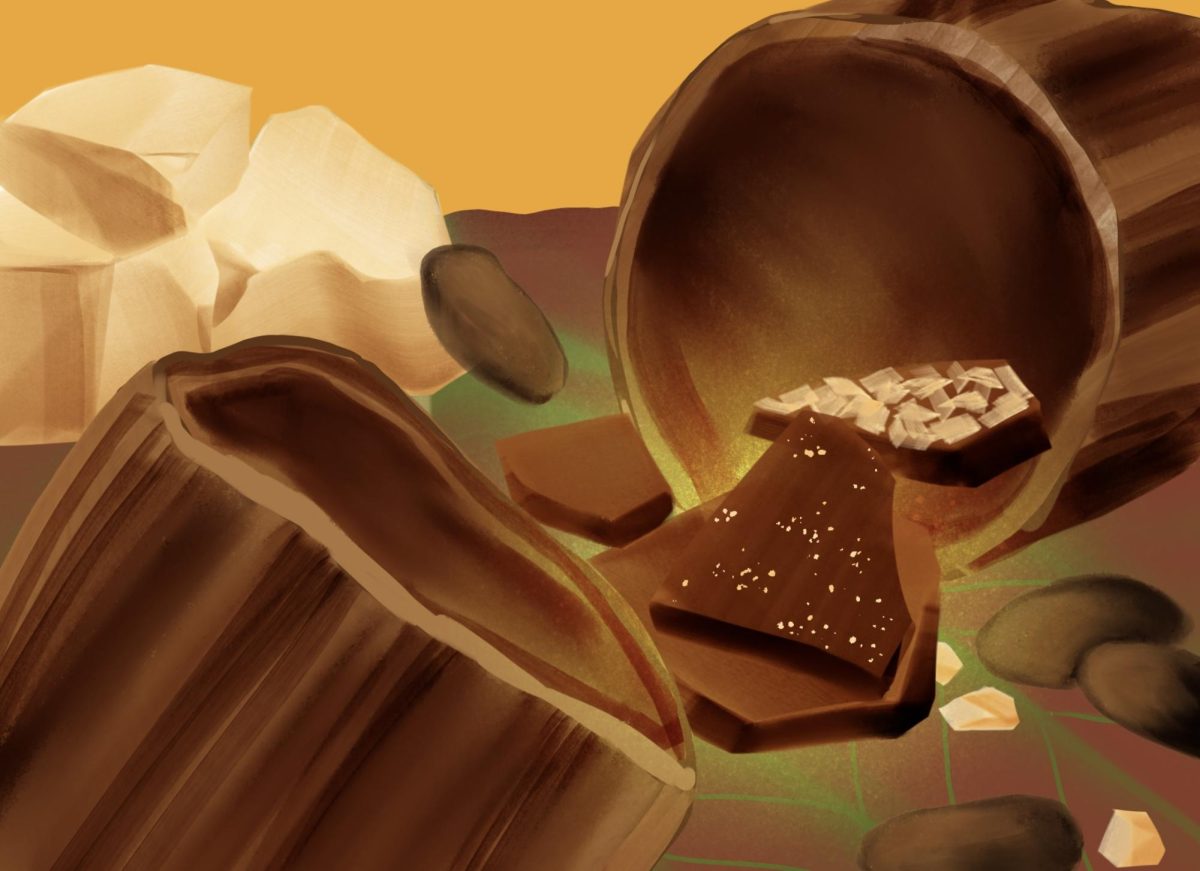
The process of making chocolate starts out with cacao pods on a tree; farmers remove their beans, harvest, ferment, and then dry. The beans are then carefully selected, roasted at low temperatures to preserve their flavor, then cracked and winnowed, leaving only the cacao nibs. After the cacao nibs are finely ground into a paste, they are put through a process called conching, which involves stirring and heating the cocoa paste until any acidity dissipates, leaving a smooth, creamy texture. Finally, the paste is aged and transformed into bars for market distribution, with some leftover waste, such as cacao bean shells, used to make tea and sold.
As complicated as this process may seem, most industrial chocolates you buy skip many of these steps. Store-bought chocolate is often made from pre-made blocks of chocolate sourced from external manufacturers, which are molded and flavored before being sold.
“Of course, bean-to-bar is much harder,” Baldwin remarked. “We hand-make every step of the process.”
Jika specializes in single-origin chocolate, meaning the beans are sourced from one specific location or village cooperative. Examples include Papua, Aceh, Bali, and Gorontalo, each with its own unique flavor profile. When asked why he decided to source cacao beans from regions across Indonesia, Baldwin mentions terroir, a French term. Baldwin defines it as a combination of the specific location, climate, soil, and knowledge of the people that shape the flavor and individuality of the chocolate.
“A part of why I make chocolate is to highlight Indonesian terroir; different islands and areas mean completely different flavors.”
Beans sourced from West Papua, for example, offer an earthy, velvety flavor profile, while those from Bali have a more balanced, fruity taste.
Another core part of Jika’s ‘bean-to-bar’ philosophy involves close interactions with their farmers. Baldwin personally visits the plantations, often in remote villages, to teach these farmers the techniques for harvesting high-quality cacao. Despite the time it takes to visit each plantation, he believes that building bonds with the farmers there is a core part of Jika’s values.
Baldwin mentions that “I stay with the farmers in their own home, and there’s this relationship with them that’s very special to me.”
Although he sees that working on cacao plantations is a laborious job, he nonetheless recognizes that the farmers he works with “are able to hold some pride in their work, knowing that they put care and effort into harvesting the beans skillfully.”
As industry giants dominate the market, the importance of recognizing and appreciating the diversity of cacao flavors, especially in Indonesia, is diminishing. This makes companies like Jika, as well as other artisan companies, special, as they work to not just highlight but also celebrate this individuality.
Compared to industry giants, at the core of artisan chocolate is making sure to value each step of the process, from the farm to our hands, and ensuring the product is crafted with care and intention. As Baldwin explains, “That’s why [artisan chocolate] is different; by placing emphasis on [quality and flavor], we reveal a whole story behind just one bar of chocolate.”