























In recent months, physical journaling has quietly resurfaced across social media feeds and stationery trends. But its renewed online popularity extends beyond practicality or nostalgia for traditional pen and paper; it offers a chance to slow down, process fleeting moments, and reconnect with ourselves in an increasingly fast-paced world.
The Cambridge Dictionary defines journaling as “the act of writing what you have done each day.” While having expanded into many new formats beyond simple diary keeping, journaling continues to reflect its core purpose: to serve as a meaningful way to process life. For students balancing schoolwork, extracurriculars, and growing responsibilities,
journaling may be a valuable habit to adopt.
Emotional Regulation
As the constant usage of digital devices increases, the quiet comfort of pen and paper is becoming more appealing than ever. A study from the National Library of Medicine on expressive writing shows that physical journaling can significantly reduce stress and anxiety by allowing individuals to intentionally and thoughtfully process their emotions. Writing transposes overwhelming feelings into something tangible, transforming busy thoughts into clearer, more manageable reflections.
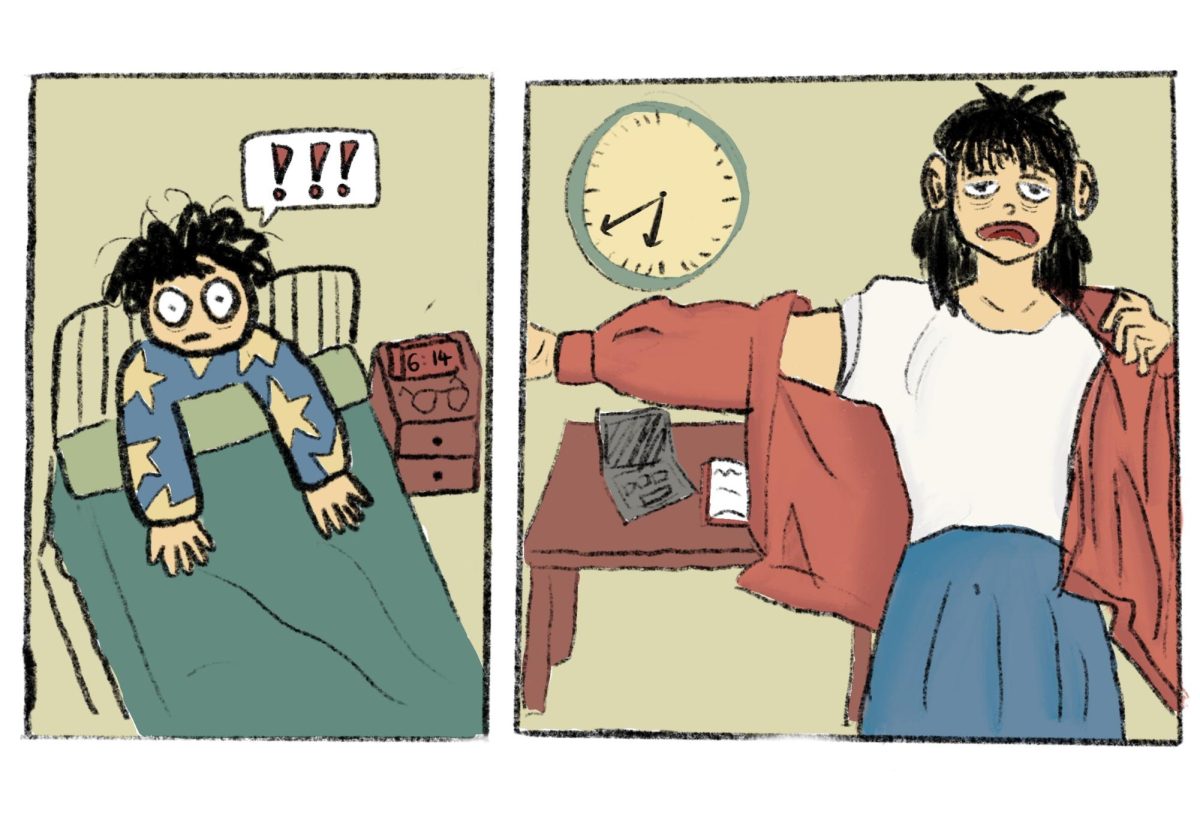
For high schoolers juggling academic pressure alongside personal responsibilities, journaling can become a space for grounding and reflection.
Through consistent writing, we gain a deeper awareness of our inner feelings, encouraging emotional regulation and understanding. Clinical psychologist Shannon Swales recommends journaling as a grounding practice, describing it as a “holistic therapy that helps us explore the causes of, and find solutions to, difficulty.” By externalizing our worries onto paper, we are able to shift how we perceive challenges and experiences, building emotional clarity and resilience. Whether deal-
ing with academic stress or simply feeling overwhelmed, journaling offers an uncomplicated and private way to decompress.
Processing and Organizing Thoughts
Beyond its emotional benefits, journaling also helps us process information more effectively. Psychology professor Adrian Montesano explains that when we write, “we connect more areas of the brain and process information in a more complex way.”
From summarizing the day to planning tasks, setting goals, and listing deadlines, the intentional act of handwriting encourages focus and mindfulness—two things often lost in digital multitasking. When faced with assignments, deadlines, and extracurricular activities, putting tasks on paper can make them feel more achievable and organized, encouraging clarity in our lives.
Creative Expression
Over the past year, leather-bound “traveler’s notebooks” have helped bring physical journaling back into the spotlight, incorporating aesthetic appeal with the practice of handwriting. On social media, these notebooks are often seen filled with collaged receipts, old tickets, pressed flowers, and scraps of memorabilia—a style known as “junk journaling.” This
act transforms regular diary keeping from a simple written habit into a visual form of personal expression.
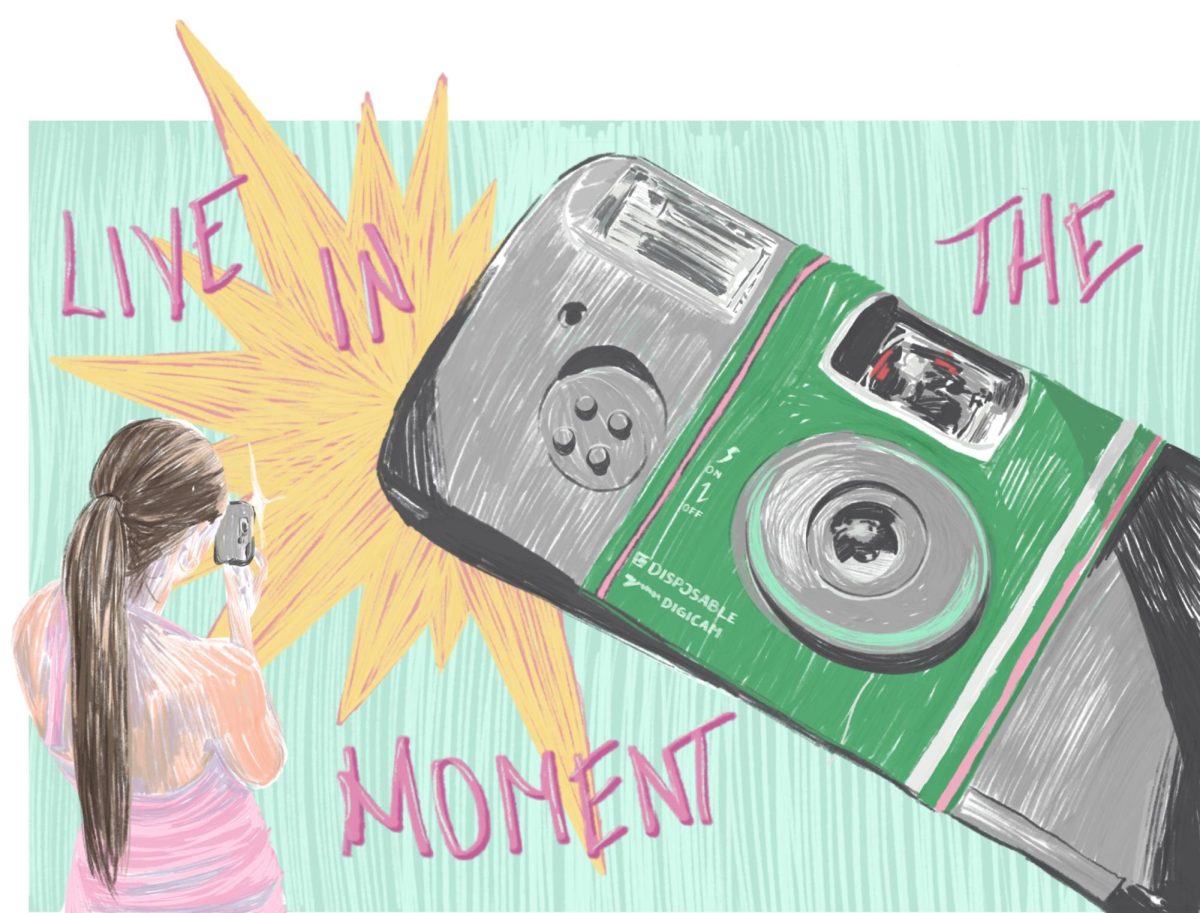
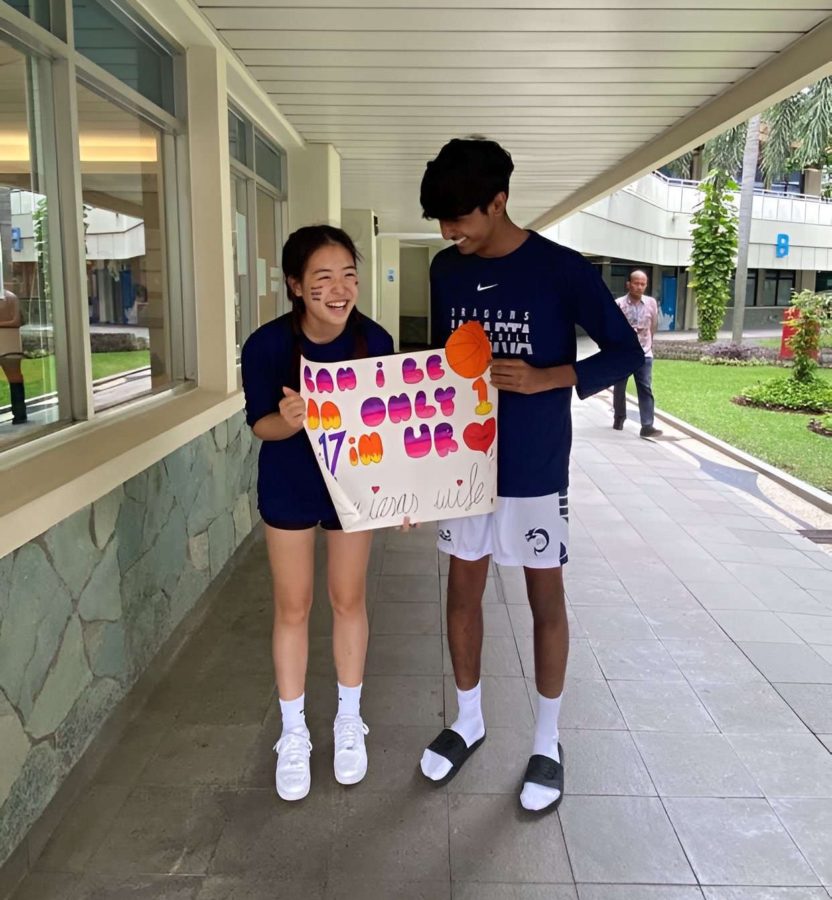
“Junk journaling” allows us to bring our experiences back through tactile and visual storytelling, preserving the small details of life through keepsakes, doodles, and pictures, offering a screen-free way to reflect on our memories. Physical journaling is just as much about creativity and psychology as it is about the nostalgia it evokes. As 2026 approaches, writing can serve as a place of refuge and reflection, representing a quiet commitment to pause, process, and preserve moments that might otherwise blur together.
Whether through a diary, a scrapbook, or a daily planner, the act of writing remains one of the simplest yet most enduring ways to make sense of our experiences. By choosing to journal, we offer ourselves the chance to slow down and take a step towards understanding our lives, one entry at a time.