


















Every December, something subtle begins to unfold long before Christmas Day arrives. Malls glow under cascades of lights, familiar melodies drift through cafe speakers, and even traffic takes on a gentler rhythm. Yet, what lingers most deeply is not the celebration of Christmas Day, but the slow build that makes the ordinary newly significant.
This is not simply nostalgia, nor is it the product of commercial habit. Rather, it reflects how December—and the idea of Christmas within it—reshapes our experience of time, emotion, and connection at the year’s end.
Looking Ahead
Anticipation functions as its own form of emotional reward. Psychologists have noted that dopamine, the neurotransmitter associated with pleasure and motivation, is released not only when a joyful event occurs, but just as intensely when we expect it to. A study of Dutch vacationers found that their level of happiness peaked in the weeks before their holidays, as the promise of what was coming proved more impactful than the event itself.
December unfolds in much the same way. The expectancy surrounding Christmas is intertwined with the anticipation of the year’s end: the promise of slowing down, revisiting memories, or stepping away from the rush that has accumulated over months. What we feel is not merely excitement for a holiday but relief in advance—a psychological exhale after a year of holding our breath.
Seasonal Traditions
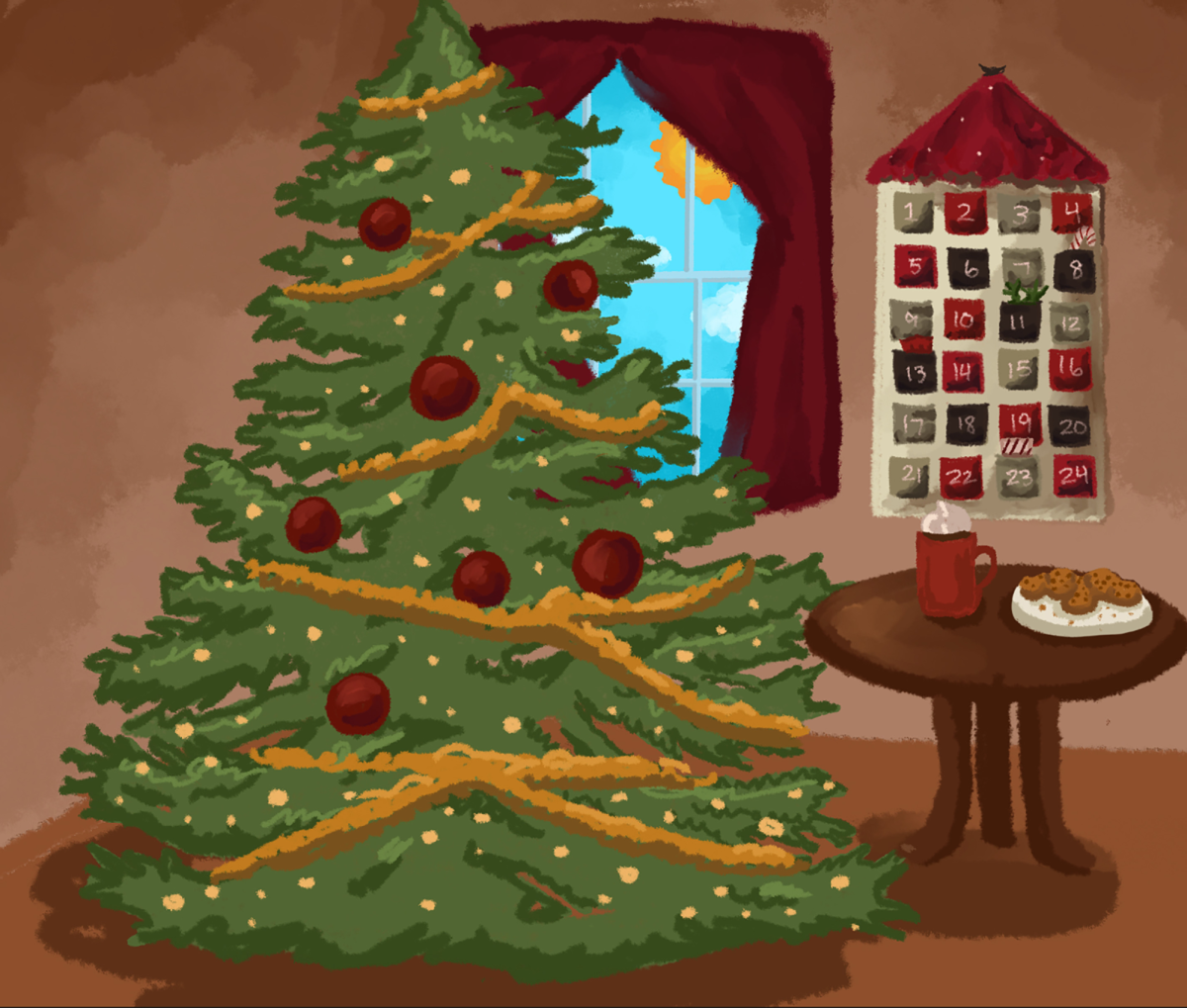
Rituals exist to make anticipation tangible. The season of Advent—from the Latin root adventus, meaning “arrival”—was historically a period of preparation rather than celebration. Each candle lit, each door opened on an Advent calendar, and each small gesture toward festivity made waiting visible and structured.
Modern December traditions continue this work in unassuming ways. Decorating a tree, baking cookies, wrapping gifts, or replaying the same playlist each year are not trivial routines but habits that translate abstract expectation into physical experience. They offer structure to days that might otherwise feel formless, creating a sense of continuity that guides us toward the year’s close.
Through these repeated acts, anticipation becomes a kind of emotional architecture, a place we can inhabit rather than merely pass through.
A Shared Season
The power of December also lies in its collectivity. Anticipation grows when it is shared, a phenomenon sociologists describe as collective efference: the heightened emotional energy that arises when people align their focus on the same moment.
This alignment becomes nearly universal. Schools begin to wrap up their semesters, offices soften their pace, and public spaces adopt a unified language of lights, music, and motion. Even those who do not celebrate Christmas often find themselves drawn into its atmosphere, because anticipation—unlike faith—requires no doctrine. It is simply the unspoken belief that something meaningful is soon to arrive.
Time in Tradition
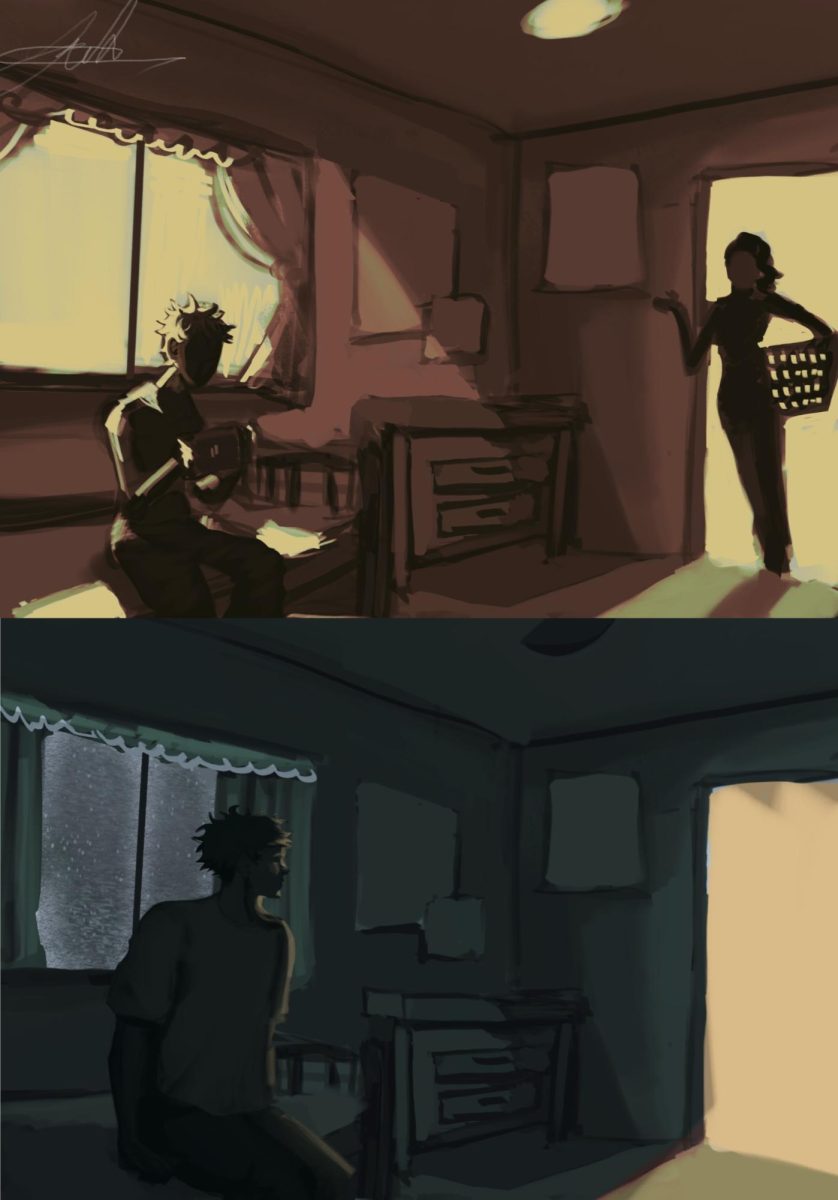
Part of the power of anticipation lies in the way it reshapes our perception of time. The days before Christmas seem to stretch and gather at once, as if the present were briefly suspended. Each week feels full of preparation, imagination, and possibility, while the holiday itself contracts quickly into a few fleeting hours.
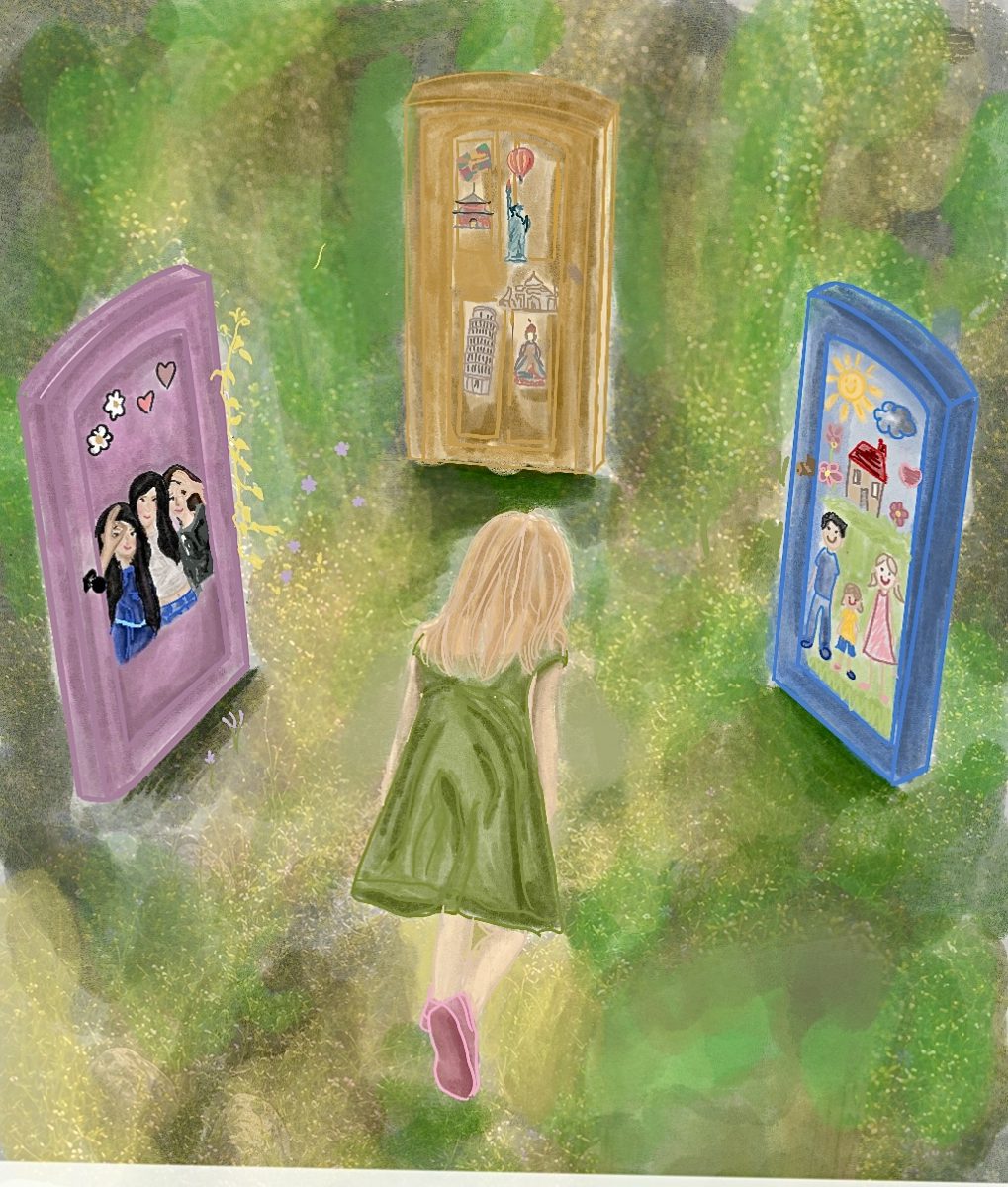
This contrast reveals something deeply human: that imagination often outlives experience. The weeks before the year’s end hold a kind of prolonged suspension, a threshold between what has happened and what might come next. Waiting allows us to dwell in possibility—untested, unbounded, and therefore larger than reality ever can be.
Meaning in the Almost
To anticipate Christmas is to participate in a gentle ritual of hope. Preparing, decorating, and counting down are not merely festive activities, but ways of shaping time so that meaning can settle into it. Even after the day passes and the lights dim, the emotional resonance remains, reminding us that joy does not rest solely in fulfillment, but in the steady, deliberate movement toward rest and renewal.
In this way, December reveals something essential about the human condition. We are creatures who find comfort not only in what arrives, but in what approaches. Perhaps that is why the days before Christmas often feel more profound than the celebration itself: because they hold us in a space of possibility—a brief time of prolonged suspension before the year closes, where hope can briefly feel larger than joy, and for a moment, this can be endless.